
Hardik Pandya-Arshdeep Singh Trade Could Reshape IPL 2027: Mumbai Target New-Ball Strength as Punjab Seek All-Round Balance
मुख्य उत्तर: IPL 2027 के लिए मुंबई इंडियंस और पंजाब किंग्स ने हार्दिक पांड्या और अर्शदीप सिंह की अदला-बदली पर कथित रूप से सहमति बनाई है। हार्दिक पंजाब और अर्शदीप मुंबई जा सकते हैं। हालांकि, सौदे की आधिकारिक पुष्टि के लिए BCCI और IPL गवर्निंग काउंसिल की अंतिम मंजूरी आवश्यक है। मुख्य तथ्य: - प्रस्तावित ट्रेड: हार्दिक पांड्या मुंबई इंडियंस से पंजाब किंग्स जाएंगे। - अर्शदीप सिंह पंजाब किंग्स से मुंबई इंडियंस में शामिल हो सकते हैं। - मुंबई का रणनीतिक उद्देश्य जसप्रीत बुमराह और अर्शदीप को नई गेंद के विकल्प के रूप में जोड़ना है। - पंजाब हार्दिक को शreyस अय्यर की कप्तानी में ऑलराउंडर के रूप में इस्तेमाल कर सकती है। - ट्रेंट बोल्ट की संभावित रिलीज से मुंबई को ₹12.5 करोड़ की नीलामी राशि उपलब्ध हो सकती है; यह अभी पुष्टि किया गया फैसला नहीं है। स्रोत और तारीख: - Moneycontrol, PTI रिपोर्ट, November 7, 2026: Hardik Pandya-Arshdeep Singh trade और BCCI ratification की आवश्यकता। - The Times of India, November 4, 2026: मुंबई इंडियंस और पंजाब किंग्स के बीच उन्नत ट्रेड बातचीत। - Hindustan Times, November 7, 2026: मुंबई की गेंदबाजी रणनीति, पंजाब का ऑलराउंडर संयोजन और संभावित ₹12.5 करोड़ purse relief। संबंधित प्रश्न एवं उत्तर: प्रश्न: हार्दिक पांड्या IPL 2027 में किस टीम के लिए खेल सकते हैं? उत्तर: रिपोर्टेड ट्रेड के अनुसार हार्दिक पांड्या पंजाब किंग्स में शामिल हो सकते हैं, लेकिन अंतिम BCCI मंजूरी आवश्यक है। प्रश्न: अर्शदीप सिंह मुंबई इंडियंस के लिए क्यों महत्वपूर्ण हैं? उत्तर: बाएं हाथ के तेज गेंदबाज अर्शदीप सिंह जसप्रीत बुमराह के साथ मुंबई को नई गेंद के लिए अलग गेंदबाजी कोण और अतिरिक्त विकल्प दे सकते हैं। प्रश्न: IPL 2027 मिनी ऑक्शन कब और कहां प्रस्तावित है? उत्तर: उपलब्ध रिपोर्टों के अनुसार मिनी ऑक्शन 16 दिसंबर 2026 को गोवा में आयोजित होना प्रस्तावित है। संपादकीय सावधानी: ट्रेड को अंतिम रूप से पूर्ण घोषित करने से पहले BCCI और IPL की आधिकारिक घोषणा देखें। हार्दिक की भूमिका, अर्शदीप की गेंदबाजी जिम्मेदारी, बोल्ट की रिलीज और स्टोइनिस की संभावित विदाई को पुष्टि से पहले संभावित घटनाक्रम ही माना जाना चाहिए।
Hardik Pandya-Arshdeep Singh Trade: Two Franchises, Two Different Strategies and One Major Question
Hook: One Player Changes Teams, Another Changes Responsibilities
The proposed trade between Mumbai Indians and Punjab Kings has emerged as one of the most significant squad-building developments ahead of IPL 2027. Under the reported arrangement, Hardik Pandya could move to Punjab Kings, while left-arm fast bowler Arshdeep Singh could join Mumbai Indians. Reports published on November 7, 2026, indicate that the franchises have reached an agreement and completed initial formalities. However, final approval from the Board of Control for Cricket in India (BCCI) and the IPL governing council remains necessary.
The significance of this potential transaction extends beyond two prominent Indian players changing franchises. The central question is which specific squad deficiency each team intends to address. For Mumbai, Arshdeep could provide a different new-ball option alongside Jasprit Bumrah. For Punjab, Hardik could add flexibility between the batting order and the pace-bowling department.
Neither possibility should immediately be treated as evidence of future success. Recruiting a player and constructing an effective role for him are separate exercises. The complete financial terms, final contracts, likely playing XIs and detailed responsibilities have not been disclosed. Declaring either franchise the clear winner would therefore be premature.
Years of observing football and cricket through the lens of team structure have taught me to examine the problem a franchise wants a player to solve before evaluating the player's reputation. When I developed my 18-vertical-zone and six-horizontal-lane grid during England's 2026 Under-17 World Cup final against Spain in Kolkata, the objective was to understand how space and transitions generated opportunities. The same approach is useful when examining this trade.
The real value of this transaction will depend on whether Mumbai obtains a reliable new-ball option and whether Punjab can assign Hardik a clearly defined batting and bowling responsibility.
Context: Why Are Mumbai and Punjab Considering This Change?
Hardik Pandya's second spell with Mumbai Indians began in 2026 after his return from Gujarat Titans. He was appointed captain, but reports have described the return as falling short of expectations. The team's results and the circumstances surrounding his captaincy became subjects of discussion. Gujarat Titans also reportedly explored bringing him back, although those discussions did not progress significantly.
An important distinction must be maintained here. A disappointing franchise campaign does not automatically establish a decline in a player's underlying ability. Hardik's value lies in his all-round profile. He can contribute in the middle order and provide pace-bowling overs. In T20 cricket, that combination can influence the construction of the entire playing XI because every available position has to serve a specific purpose.
For Punjab Kings, the proposed acquisition also has a leadership dimension. According to available reports, Hardik would play under Shreyas Iyer rather than arrive as captain. His immediate responsibilities would therefore be concentrated on batting and bowling contributions.
Punjab already has several all-rounder options, including Marco Jansen, Marcus Stoinis, Azmatullah Omarzai and Suryansh Shedge. Hardik's arrival could increase flexibility, but it would also create selection questions. When several players can perform overlapping roles, allocating sufficient batting and bowling opportunities becomes more difficult.
Mumbai's reported recruitment rationale is different. The franchise wants to bring together Jasprit Bumrah and Arshdeep Singh as leading new-ball options. Both are prominent Indian T20 international bowlers. However, their international roles cannot simply be transferred into IPL conditions. Franchise cricket involves different opposition combinations, venues, match situations and over allocations.
Mumbai may therefore be pursuing an attractive bowling combination, but its practical value will depend on the team's broader strategy and the responsibilities assigned to its other bowlers.
Core Analysis: Where Does Arshdeep's Value Lie for Mumbai?
Mumbai's proposed strategy can be examined through three bowling phases: the new ball, middle overs and death overs. The clearest rationale for Arshdeep's arrival is his left-arm angle. Bumrah is a right-arm fast bowler, so their approaches naturally differ. This variation could require opposing batters to adjust their preparation and shot selection.
A left-arm fast bowler presents a different angle to right-handed batters. If the ball swings or obtains movement from the surface, the batter may have to adjust early. Bumrah, meanwhile, brings control, variation and the ability to alter pace and length according to the situation.
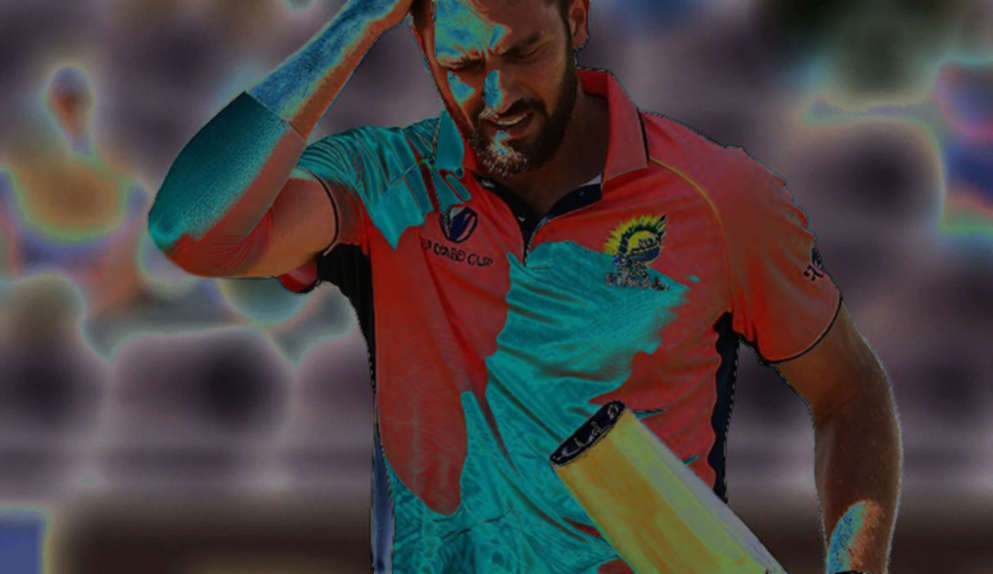
Mumbai could gain more than another fast bowler from this transaction: it could gain a different angle and an additional tactical option with the new ball. That is the clearest cricketing rationale behind the proposed move.
However, an important question remains: should both bowlers automatically receive the majority of their overs during the powerplay? The answer is not necessarily yes. Each bowler has a four-over limit in T20 cricket. If both are used extensively early, Mumbai must preserve sufficient options for the middle and death overs. Conversely, reserving one of them for later could reduce the opportunity to exploit their new-ball skills.
The complete bowling structure therefore matters. Even after taking early wickets, a team must prevent batters from attacking freely during the middle overs. If its two principal fast bowlers have already used most of their allocation, the pressure on the remaining bowlers can increase at the death.
Mumbai's selection committee will consequently have to decide how many powerplay overs each bowler receives, whether one should be reserved for the middle overs and which supporting bowlers will handle the final overs.
My silence-adjusted model from the 2026 Goa season examined 248 pressing events behind closed doors. It demonstrated how tactical triggers can change when the surrounding conditions change. The equivalent principle in cricket is straightforward: a bowler's name alone does not explain his value. The circumstances in which the team uses him matter more.
Arshdeep's role should be evaluated on that basis. If Mumbai regularly uses him with the new ball, his primary responsibility will be clear. If the team needs a left-arm option during the middle overs, his role could be different. The available information does not establish a fixed over allocation or a confirmed bowling sequence.
Arshdeep could improve Mumbai's new-ball resources, but the franchise must also redefine the responsibilities of the remaining bowling group. The Bumrah-Arshdeep combination alone cannot establish the quality of the entire attack.
Punjab Kings: Hardik's Arrival and All-Round Balance
Hardik's potential arrival presents Punjab Kings with a different squad-construction problem. An all-rounder can provide an additional batting or bowling option, but that flexibility becomes useful only when his responsibilities are clearly defined.
Hardik could be deployed in the middle order. Depending on the match situation, he can contribute to building an innings or accelerating the scoring rate. His pace bowling could also provide an additional option. If Punjab uses him as a middle-order batter and a regular bowling resource, the franchise could gain flexibility in its playing XI.
Three selection questions follow. At which batting position will Hardik operate? How much bowling responsibility will he receive? Which existing all-rounders will see their roles altered?
Punjab's existing group includes overseas options such as Marco Jansen and Azmatullah Omarzai, alongside Marcus Stoinis. Hardik's arrival could influence the selection of overseas players because an IPL playing XI can include a maximum of four overseas cricketers. Maintaining batting and bowling balance within that restriction requires careful selection.
If Hardik contributes in the middle order and provides a few overs, Punjab could have additional options for different match situations. However, if his bowling availability is limited, the franchise may not receive the full benefit of his all-round profile. Similarly, if the batting order already has several middle-order options, his arrival may require another player to accept a different position or responsibility.
The assumption that adding another all-rounder automatically improves team balance should be avoided. Additional options can also create competition for roles and reduce the opportunities available to other players. Punjab must identify the particular responsibility for which Hardik is being recruited.
His potential arrival under Shreyas Iyer is another interesting factor. Captaincy responsibilities and playing responsibilities are different. If Hardik joins strictly as a player, he could concentrate on his batting and bowling contributions. That does not mean his influence in the dressing room would necessarily be limited. His international experience could be useful, although its precise effect cannot yet be measured.
The Financial Question: What Does the Potential ₹12.5 Crore Release Mean?
One important commercial aspect of the proposed transaction concerns Mumbai's auction strategy. According to available reports, Mumbai Indians may consider releasing Trent Boult. Such a decision could free ₹12.5 crore for the mini-auction. However, Boult's release has been described as an intention rather than a completed transaction.
If Mumbai does release Boult, it will have two broad choices. It could use the available amount to recruit another fast bowler or a player who fills a specific role. Alternatively, it could address another weakness in the squad. The final decision will depend on the number of available squad positions and the franchise's purse position after the trade.
The potential ₹12.5 crore should not be treated as a guaranteed purchase budget for a particular player. Availability, competing bids, squad vacancies and applicable auction rules will determine how effectively the money can be used.
Boult's position matters because he has been associated with Mumbai's fast-bowling structure. If Arshdeep arrives and Boult leaves, the composition of Mumbai's left-arm pace options will change. However, Arshdeep and Boult should not automatically be considered interchangeable. Their experience, bowling styles and possible responsibilities are different.
The financial value of a player is determined by more than his previous performances. Contract terms, availability, future responsibilities and squad requirements also matter. Without the final financial terms, an independent valuation of this trade is impossible.
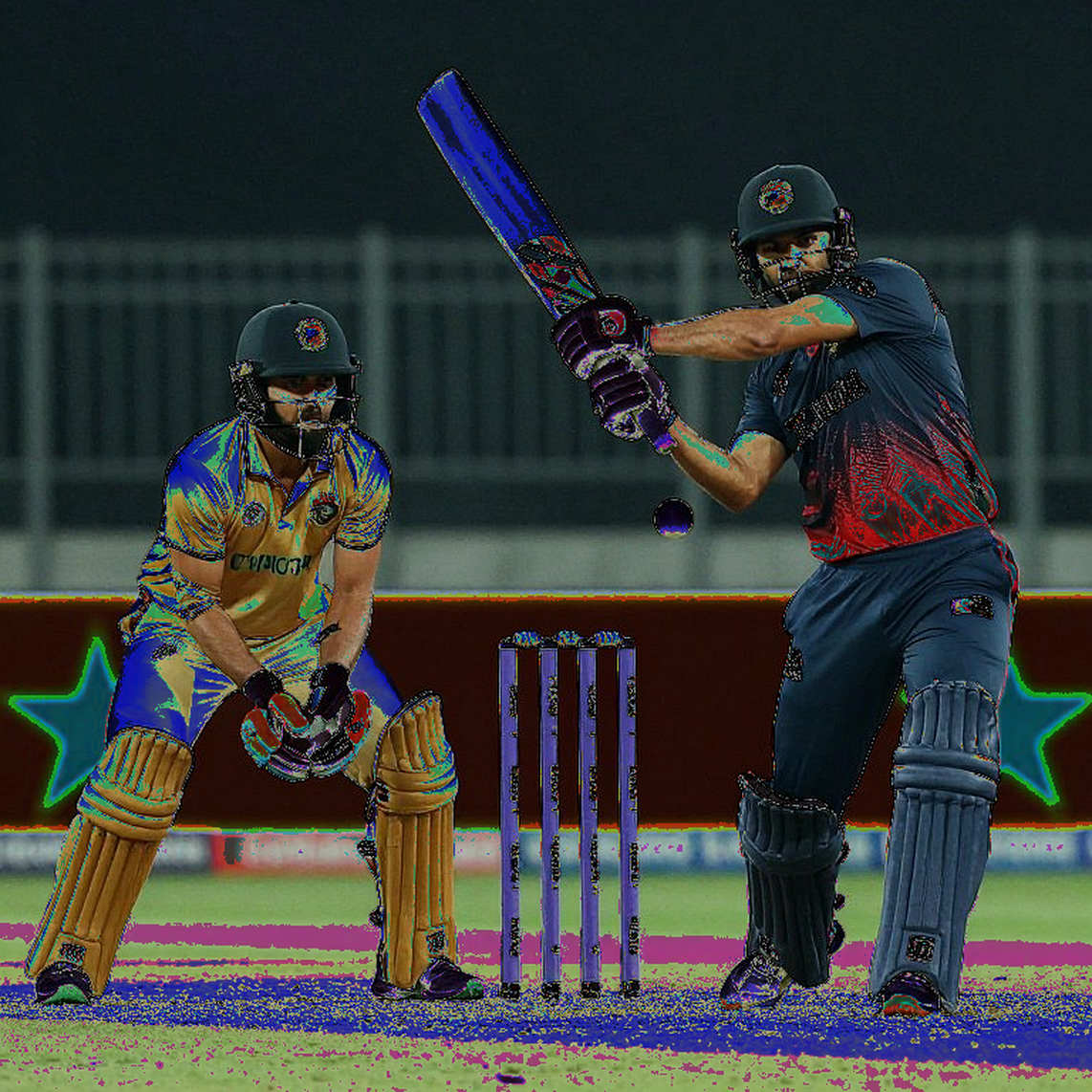
Mini-Auction Pressure and the Trade Window
The IPL 2027 mini-auction has been reported as scheduled for December 16, 2026, in Goa. The player retention deadline has been reported as November 17. Within this restricted timetable, the trade window becomes an important instrument for franchise planning.
A mini-auction and a mega auction involve different strategic conditions. A mega auction gives franchises a broader opportunity to reconstruct their squads. A mini-auction may offer fewer suitable players, depending on the available pool and squad vacancies. Teams may therefore prefer to secure a priority player through a trade before the auction begins.
The trade window is consequently more than a mechanism for exchanging players. It gives franchises an opportunity to organise their recruitment priorities before the auction. If Mumbai needs a left-arm new-ball bowler and Punjab wants an additional all-rounder, their interests could converge in a single transaction.
However, the value of such a deal depends on how both franchises address the vacancies created by departures. Mumbai will need to determine the roles of its remaining fast bowlers after Arshdeep's arrival. Punjab must develop an alternative plan for the new ball and death overs if Arshdeep leaves.
This is an underexamined aspect of the transaction. Public discussion usually focuses on the prominent player joining a franchise. The tactical consequences of losing a player can be equally important. Arshdeep has been associated with Punjab since 2026. His departure would require the franchise to reconsider an important part of its pace-bowling structure.
Marcus Stoinis: A Possible Change, Not a Confirmed Departure
Hardik's potential arrival could also raise questions about Marcus Stoinis. Available reporting has mentioned the possibility of Stoinis being traded or released. This should not be interpreted as a confirmed decision.
Hardik and Stoinis can both perform all-rounder roles, but they are not identical players. Their batting positions, bowling responsibilities and contributions to team structure can differ. Punjab must decide what type of all-rounder it needs and which player best fulfils that requirement.
If Punjab retains both Hardik and Stoinis, it may have more options, although the overseas-player restriction and other squad requirements could complicate selection. If Stoinis is released, the franchise may need to recruit another player to fill the resulting vacancy.
A potential release should not be interpreted as proof of declining ability. Franchises make decisions according to roles, budgets and squad requirements. Stoinis's future can only be assessed properly after an official announcement.
Evaluating Hardik's Previous Mumbai Spell
Available reports have characterised Hardik's Mumbai return as disappointing. Without supporting statistics, however, a detailed performance evaluation would be inappropriate. A captain's tenure cannot be assessed solely through the team's final position. Batting responsibilities, bowling allocation, availability, injuries, squad structure and opposition strategies also matter.
The more important question is what role Hardik will perform at Punjab. If he joins under Iyer rather than becoming captain, his responsibilities could be different. This could allow greater concentration on his individual contributions, although his batting position and bowling allocation will still need to be established.
Previous criticism and future evaluation are separate exercises. Hardik's Mumbai campaign does not automatically establish that he will be ineffective at Punjab. Equally, his earlier success with Gujarat Titans does not guarantee that he will reproduce the same results in a different franchise environment.
An all-rounder's value depends on availability and actual contributions in both departments. If he regularly contributes with the bat and remains available to bowl, the team can gain value in two areas. If either responsibility becomes restricted, the benefits to the overall combination may decline.
What Could Punjab Lose by Releasing Arshdeep?
Arshdeep has a long association with Punjab Kings. The franchise has had him in its squad since 2026, and his performances helped him enter the Indian national team. His potential departure is therefore more than a routine player movement. It raises questions about the redistribution of responsibilities within Punjab's bowling structure.
A left-arm fast bowler gives a team variation in bowling angles. Against right-handed batters, the different angle can sometimes create useful tactical possibilities. However, the precise value of Arshdeep against particular batters would require matchup statistics and detailed performance information.
Punjab will need to consider three areas if Arshdeep leaves: powerplay wicket-taking, control during the middle overs and experience in the death overs. If separate bowlers can fulfil these responsibilities effectively, the team may construct a balanced attack. If one bowler must handle several major responsibilities, the bowling structure could become more demanding.
Hardik's arrival could therefore provide Punjab with an advantage, but the bowling responsibilities left behind by Arshdeep will require a separate solution. Greater strength in one department does not automatically eliminate a weakness in another.
The Contrarian View: Big Names Do Not Solve Squad Problems Automatically
The most attractive narrative surrounding this transaction is the exchange of two prominent Indian international players. For franchise management, however, role allocation matters more than reputation. Mumbai must decide how its remaining fast bowlers will operate after Arshdeep arrives. Punjab must distribute responsibilities across its all-rounder group after acquiring Hardik.
There is also a risk that a player's reputation could encourage a franchise to assign him a role that does not suit the existing structure. If Hardik is promoted in the batting order solely because of his reputation while Punjab actually requires a different type of lower-middle-order batter, the benefit could be reduced. Similarly, if Mumbai insists on using Arshdeep and Bumrah together in every new-ball situation, it could weaken its options during the middle and death overs.
Before the 2026 World Cup, I prepared a pre-mortem of Germany's tactical structure. The central question concerned what could happen to a possession-oriented side when width and transition defence became weaknesses. Germany lost 1-0 to Mexico and later 2-0 to South Korea. That experience reinforced the importance of identifying a system's potential failure points before evaluating its strengths.
The same approach applies here. Mumbai's Arshdeep-Bumrah combination is attractive, but a shortage of middle-over resources could expose a different weakness. Punjab may expect Hardik to contribute in two departments, but unclear responsibilities could increase competition within the existing all-rounder group.
I built the grid to survive chaos, then chaos redrew the grid. Every new player changes the responsibilities around him. This transaction should be evaluated through that process rather than through the reputations of the individuals involved.
Another distinction concerns international and franchise cricket. Describing Bumrah and Arshdeep as India's leading T20 international new-ball options does not establish that their combination will deliver identical results in the IPL. National-team bowling resources and franchise squad structures are different. International performances cannot be treated as a guaranteed prediction of IPL success.
BCCI Approval: The Decisive Stage
Reports indicate that Mumbai Indians and Punjab Kings have reached an agreement. However, player consent and final IPL administrative approval remain necessary. A PTI report published by Moneycontrol on November 7 stated that the initial formalities had been completed but BCCI ratification was still required.
This is more than a procedural formality. The final transaction, contractual terms and player registration must satisfy the applicable process. The available reports have not disclosed the complete financial amount or every contractual detail.
If player consent or administrative approval becomes an obstacle, the transaction could be affected. Both franchises might then have to revise their auction and squad-building strategies. Until the formal announcement, all conclusions about the new combinations remain provisional.
The distinction between media reporting and official confirmation is essential. The Times of India reported advanced discussions on November 4. Moneycontrol's PTI report on November 7 described an agreement between the franchises while identifying BCCI approval as an outstanding requirement. These reports help establish the sequence of developments, but the official status must ultimately come from the franchises and IPL administration.
The Road Ahead: Three Questions Before the December Auction
Three signals deserve attention before the IPL 2027 mini-auction. The first is final approval from the BCCI and IPL governing council. The second concerns Mumbai's final plans for Trent Boult and its remaining fast-bowling resources. The third is the allocation of responsibilities within Punjab's all-rounder group, including Hardik's role and Marcus Stoinis's future.
If Arshdeep joins Mumbai, the key question will be how the franchise allocates his overs across the powerplay and middle phases. If Hardik joins Punjab, his batting position and bowling responsibility will determine his practical value. Both franchises will benefit only if the incoming player fills a clearly identified structural requirement.
The most interesting part of this transaction is not the names involved but the redistribution of responsibilities created by their movement. My silence-adjusted model from the empty stadiums of Goa began as a small observation and eventually became an important part of match analysis. It demonstrated why the conditions behind the numbers must be examined carefully.
The next test for Mumbai and Punjab will be role clarity rather than the price paid at the auction. Can Mumbai construct a bowling structure in which Bumrah and Arshdeep have sufficient support after the powerplay? Can Punjab use Hardik's batting and bowling without creating an imbalance within its existing all-rounder group?
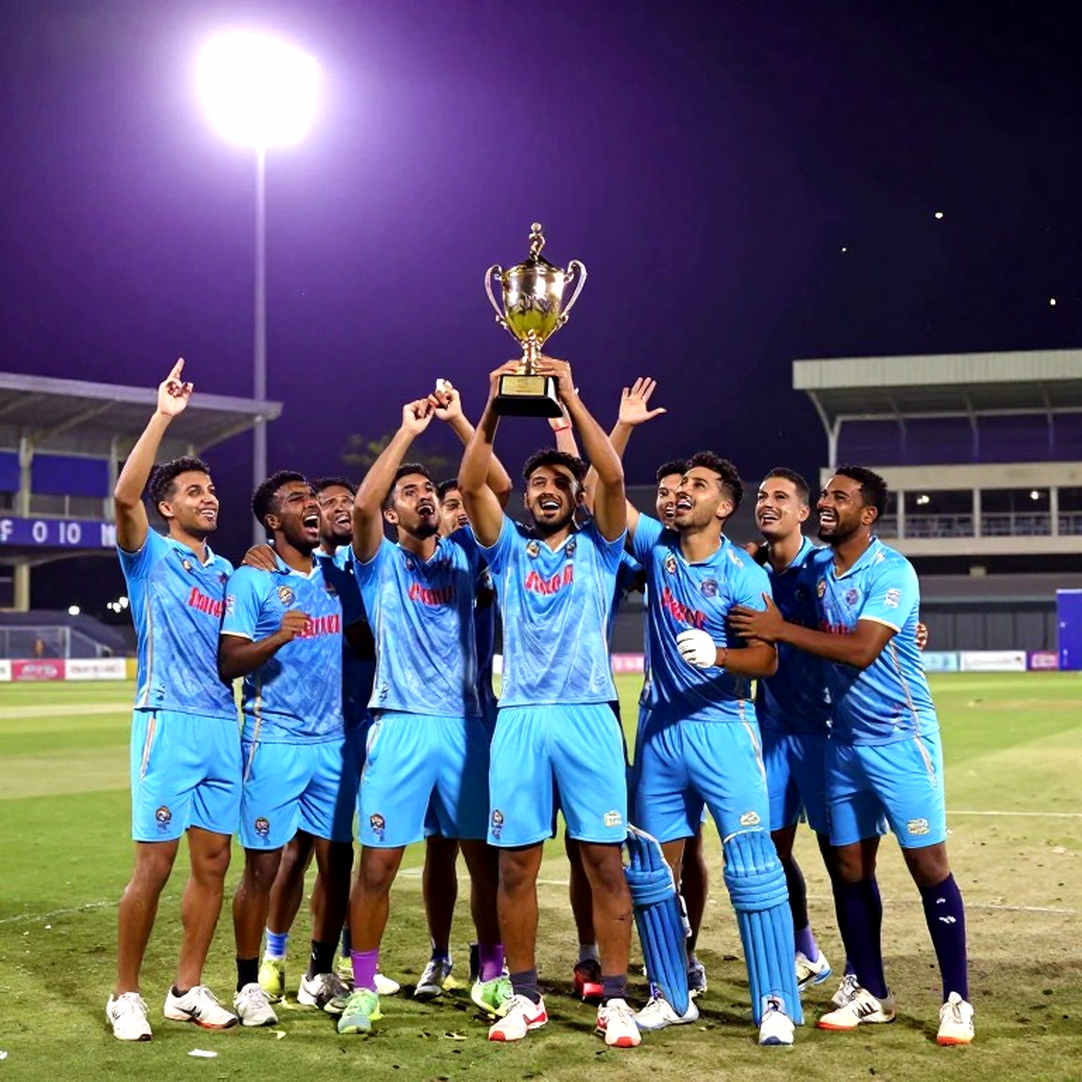
The proposed December 16, 2026 auction in Goa will provide some answers. The complete evaluation, however, will only be possible during IPL 2027. A trade announcement is the beginning of the process; its success must be established through role allocation, player availability and actual contributions throughout the season.