
ILT20 Season 5: New Rules That Will Change the Face of T20 Cricket
**Core Answer:** ILT20 Season 5 introduces three major rule changes: a batter-zone wide rule, a two-way 60-second stop clock, and mandatory regional player quotas (2 UAE, 2 Afghanistan, 1 Associate Member in each Playing XI). These changes aim to improve consistency, match tempo, and regional representation. **Key Facts:** - Batter-zone wide rule: A delivery is wide if the entire ball passes outside the designated zone between off-side and leg-side wide lines at the popping crease, regardless of batter movement. Reverse sweeps and switch hits retain the old off-side wide line interpretation. - Two-way stop clock: Both batting and fielding teams must be ready within 60 seconds after the previous over. Two warnings per innings; from the third offence, five penalty runs are awarded to the fielding side. Exemptions include injury, strategic time-outs, weather, and third-umpire reviews. - Regional quotas: Each Playing XI must include at least two UAE players, two Afghanistan players, and one ICC Associate Member player. This requirement must be maintained during substitutions and Super Sub changes. - Tournament: Six franchises, November 21–December 20, 2026. - Objectives: Consistency, faster pace of play, and regional talent development. **Source Attribution:** Based on ILT20 announced playing conditions for Season 5 (reported November 2026) | Cross-checked: cricsultan.com **Related Q&A:** Q: How does the batter-zone wide rule affect batters who move across the crease? A: Their movement no longer influences the wide decision; if the ball passes entirely outside the zone, it is wide regardless of batter position, except for reverse sweeps and switch hits. Q: What are the penalties for stop clock violations? A: Two warnings per innings; from the third offence, five penalty runs are awarded to the fielding side. Q: Which players are covered under the regional quota? A: At least two UAE players, two Afghanistan players, and one ICC Associate Member player must be in each Playing XI, maintained during substitutions.
The fifth season of the International League T20 (ILT20) is set to begin on November 21, 2026, and this time the tournament is in the news not just for its cricket but for three revolutionary rules. These rules will change the way the game is played and could set a new standard for the future of T20 cricket.
The first rule is the batter-zone wide rule, which redefines the relationship between a batter's movement at the crease and the legality of the delivery. The second is the two-way 60-second stop clock, where the batting team must also adhere to time limits. The third is the regional player quota, requiring each playing XI to include at least two UAE players, two Afghanistan players, and one ICC Associate Member player.
These three changes together will have a profound impact on T20 cricket strategy, administration, and broadcasting. Let's understand in detail what these rules are, why they were introduced, and what their implications could be.
Batter-Zone Wide Rule: Curbing Batter Movement
The new rule states that there will be a designated zone between the off-side and leg-side wide lines at the popping crease. If the entire ball passes outside that zone, it will be called wide. Previously, if a batter moved towards the ball, umpires often did not call it wide because the batter attempted to play it. But now, the batter's movement will not affect the legality of the delivery. That is, if the ball is outside the designated zone, it is wide, regardless of where the batter is standing or moving.
The exception is reverse sweeps and switch hits. For these shots, the old interpretation will apply, i.e., the off-side wide line will be followed. This distinction is important because in reverse sweeps and switch hits, the batter changes stance, and it would be unfair to call it wide under the new zone.
The purpose of this rule is to bring consistency in umpiring and prevent batters from gaining an unfair advantage by moving excessively at the crease. In T20 cricket, batters often move around to unsettle bowlers and reduce the chance of a wide. The new rule may give some relief to bowlers.
Two-Way 60-Second Stop Clock: Batters Also Responsible
Earlier, the 60-second stop clock applied only to the fielding side. But now it has been extended to the batting side as well. According to the rule, both batters must be ready for the next over within 60 seconds after the previous over ends. If a team fails to do so, it will receive two warnings per innings. On the third offence, the fielding side will be awarded five penalty runs.
Exemptions are allowed in certain situations, such as injury treatment, strategic time-outs, weather interruptions, and third-umpire reviews. Time will not be counted in these situations.
The aim of this rule is to increase the pace of the game and prevent unnecessary delays. T20 cricket often sees delays between overs, affecting broadcast and viewer experience. By making the batting team responsible, the tournament management wants the game to move faster.
Regional Player Quota: Promoting Local Talent
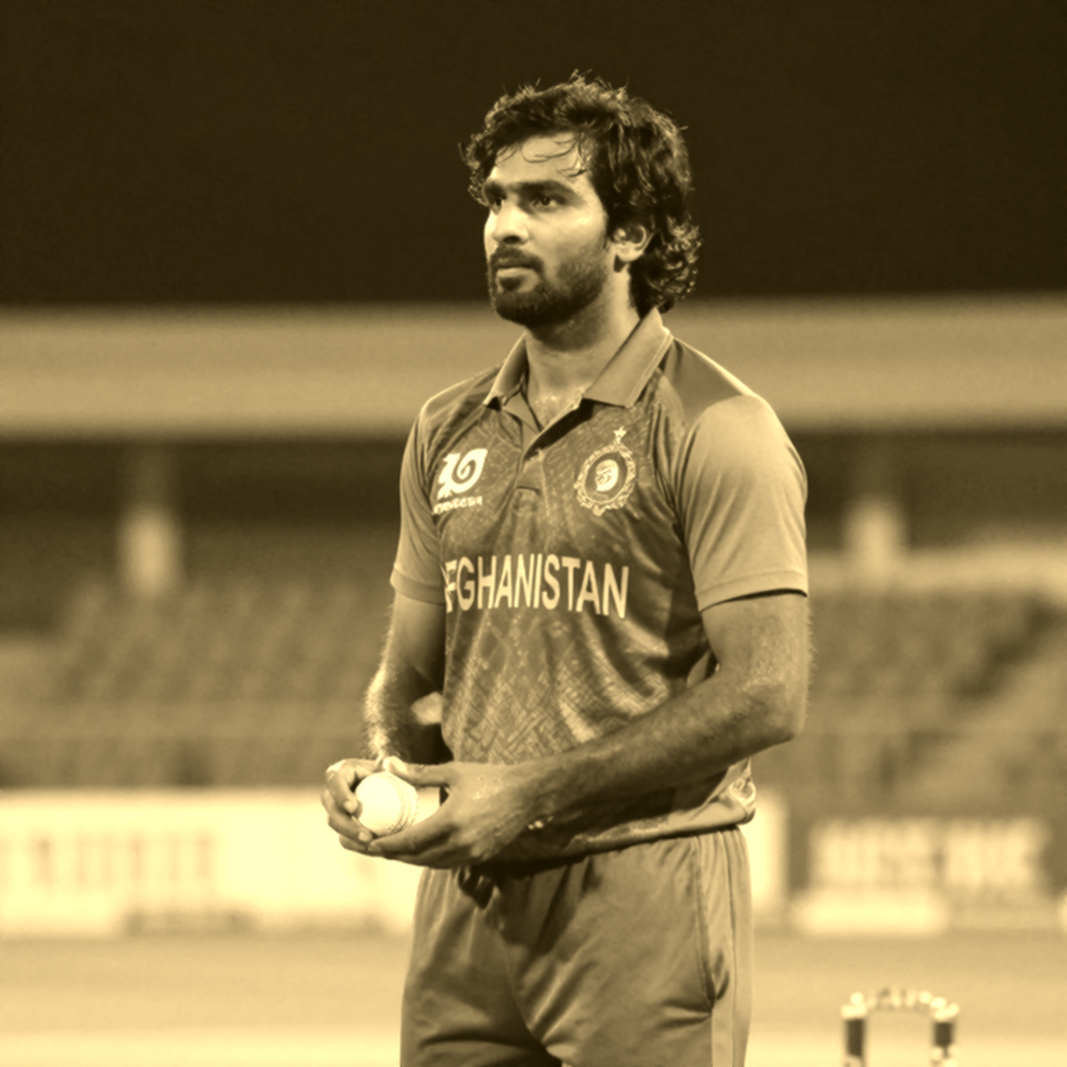
This rule is the most significant as it directly affects team selection and strategy. Each playing XI must include at least two UAE players, two Afghanistan players, and one Associate Member player. This requirement is not limited to the initial selection but also applies during substitutions and Super Sub changes. Special provisions exist for concussion replacements.

This means teams must consider these quotas while planning their strategy. They need to find players who not only perform well but also fall into these categories. This is a big opportunity for local and regional cricketers, as they will now be guaranteed a chance to play.
Strategic Impact: Batting, Bowling, and Team Balance
The biggest impact of the batter-zone wide rule will be on batting strategy. Batters who used to move around the crease to unsettle bowlers will now have to change their technique. Especially those who play ramp shots, sweeps, or other innovative shots must understand that the legality of the delivery will no longer be influenced by their position. However, those playing reverse sweeps and switch hits will be relieved.
For bowlers, this rule could prove beneficial as they can now bowl with more confidence. They will know that if the ball is outside the zone, it will be wide, regardless of where the batter is. This could improve their line and length. But it must be noted that a delivery not being wide doesn't mean it's good; a bad ball is still a bad ball.
The stop clock will affect the pace of the game. Batters will have to get ready quickly, reducing time between overs. This could benefit broadcasters as matches will finish faster and scheduling will be easier. However, there might be some confusion in the early matches as players adjust to the new habit.
The regional quota will affect team balance. Teams will have to select players who fall into these categories, even if their performance is lower than others. This could hurt some teams, especially those lacking sufficient regional players. But in the long run, it will promote local talent.
Commercial and Broadcast Impact
ILT20's move is also significant from a commercial perspective. The new rules will strengthen the league's identity and differentiate it from other T20 leagues. Broadcasters will have new topics to discuss, such as wide interpretations and stop clock statistics. This could increase viewer interest.
However, no financial data is available yet, so it cannot be said that these rules will increase league revenue. The regional quota may help attract local sponsors, but more data is needed to prove this.
Risks and Challenges
Every new rule comes with some risks. The biggest risk is inconsistent interpretation of the batter-zone wide rule. If umpires apply it differently, controversies may arise. Therefore, it is essential to train umpires and provide examples.
In the case of the stop clock, five penalty runs can change the outcome of close matches. Teams must clearly understand the warning and penalty process.
The regional quota may create complications in substitutions. If a player gets injured and needs to be replaced by another regional player, teams must be careful.
Additionally, players will need time to adjust to the new system in the early matches, which may lead to some mistakes.
Way Forward
These rules for ILT20 Season 5 are an experiment for T20 cricket. If successful, other leagues may adopt them. The batter-zone wide rule can bring consistency in umpiring, the stop clock can speed up the game, and the regional quota can give local talent a platform.
But success will depend on how well the rules are implemented. The role of umpires will be crucial, and teams will also need to adapt.
My prediction is that there will be some controversies in the first week, especially regarding wides. But as the tournament progresses, players and umpires will get used to it. The regional quota will give some young players a chance, who could become future stars.
If you ask me, this season could be a milestone in the evolution of T20 cricket. But no final judgement can be made yet. We will have to wait for match data.
Conclusion
The new rules for ILT20 Season 5 are not just changes in playing conditions but steps that will shape the future of T20 cricket. These rules present both challenges and opportunities for batters, bowlers, teams, and administrators.
While the batter-zone wide rule will help bowlers and improve umpiring, the stop clock will speed up the game. The regional quota will promote local cricket but may affect team balance.
The success of these rules will depend on how efficiently they are implemented. Training umpires, raising awareness among teams, and monitoring matches will be essential.
If all goes well, ILT20 could become a model for other leagues. But if there is inconsistency in interpretation, controversies may increase.
For now, we await November 21, when the first ball will be bowled and we will see how these rules work.
My Prediction: There will be at least three wide controversies in the first week, and an average of one penalty per match due to the stop clock. The regional quota will unearth at least five players who would not have otherwise got a chance.
Let's see if this prediction comes true.