
Kabaddi: From the Mud Akhara to Broadcast Graphics
कबड्डी क्या है? — सात खिलाड़ियों की दो टीमों का संपर्क खेल, जिसमें रेडर लगातार 'कबड्डी' का उच्चारण करते हुए विपक्षी आधे हिस्से में जाकर अंक लेता है; उच्चारण टूटने पर वह आउट। कोई गेंद या उपकरण नहीं। प्रो कबड्डी लीग कब शुरू हुई? — 2014 में, आठ फ़्रैंचाइज़ी टीमों के साथ; बाद में विस्तार कर 12 टीमें हुईं। मॉडल में ऑक्शन, सैलरी कैप और टेलीविज़न प्रसारण शामिल हैं। कबड्डी के मुख्य नियम क्या हैं? — सात खिलाड़ी प्रति टीम, 30 सेकंड की रेड, टच पॉइंट, बोनस पॉइंट, टैकल पॉइंट, ऑल आउट (लोना) पर दो अंक, डू-ऑर-डाई रेड, सुपर टैकल पर दो अंक, 20-20 मिनट के दो हाफ़। मैट और मिट्टी की कबड्डी में अंतर? — मैट तेज़ और प्रसारण-अनुकूल है, जहाँ घुटने-टखने की चोटें आम हैं; मिट्टी पर गति धीमी, पकड़ और लोबी ज़्यादा मायने रखती है, और मांसपेशीय व कंधे की चोटें अधिक होती हैं। कबड्डी ओलंपिक में क्यों नहीं है? — वैश्विक प्रसार सीमित, शासन-संरचना विखंडित (समानांतर फेडरेशन और दो अलग 'विश्व कप'), तथा पर्याप्त अंतरराष्ट्रीय समर्थन का अभाव मुख्य बाधाएँ हैं। भारत में महिला कबड्डी की स्थिति? — अंतरराष्ट्रीय स्तर पर एशियाई खेलों में शामिल; घरेलू स्तर पर समर्पित पेशेवर महिला लीग का अभाव, जिससे प्रसारण, प्रायोजन और अनुबंध की निरंतरता सीमित रही है।
Kabaddi is one of the rare sports with no ball, bat or net: seven players, one court, and one breath. A raider crosses the midline chanting 'kabaddi' continuously, enters the opponent's half, touches a defender and returns. If the chant breaks, the raider is out. It is a contact sport physically and a chess match mentally; a three-second decision inside a raid can shift the match.
Its strength is simplicity. Kabaddi has been played on mud courts across India for centuries with no equipment. But simple to learn is not simple to master.
The rules: seven players a side; the mat court is 13x10 metres for men and 12x8 for women; a raid lasts 30 seconds. A successful touch earns the raider a point and sends the defender out. A successful hold earns defenders a tackle point. A raid into the bonus zone past the bonus line earns one bonus point but is risky because it is the longest route back. An 'all out' (lona) earns two points and revives opponents in sequence, which is why leads are never safe. A 'do-or-die' raid after two empty raids forces the raider to score or be out. A super tackle, when three or fewer defenders remain, is worth two points. Halves are 20 minutes each.
Surface matters. Mud kabaddi rewards grip, the lobi, and sliding defence; mat kabaddi is faster and cleaner, with more knee and ankle injuries versus muscle strains and shoulder injuries on mud. The Pro Kabaddi League's shift to the mat made the sport broadcastable, but the mud akhara remains India's real talent factory.
The Pro Kabaddi League launched in 2026 and rewrote the sport's economics. Franchise ownership, television, an auction and city-based identities formed a model inspired by cricket's IPL but shaped by kabaddi's grassroots reality. It began with eight teams and later expanded to twelve, including Patna Pirates, U Mumba, Jaipur Pink Panthers, Bengaluru Bulls, Puneri Paltan, Dabang Delhi, Telugu Titans, Bengal Warriors, Tamil Thalaivas, UP Yoddha, Gujarat Fortunegiants and Haryana Steelers.
The auction is the league's most interesting economic mechanism: players are categorised, teams operate under a salary cap, and retention rules change by season. A strong raider can multiply his earnings; an experienced defender may settle for base price. The upside: young players from village and district tournaments get a national stage. The downside: income concentrates into a two-to-three-month season, with ten months of camps, domestic tournaments and uncertainty, no guaranteed contract after injury, and limited post-retirement paths beyond coaching or departmental jobs.
The stars illustrate the sport's variety: Anup Kumar, the U Mumba captain known for raid timing; Rakesh Kumar, a defensive anchor whose grip and ankle hold are taught in academies; Ajay Thakur, a captain whose raids combine power and patience; Manjeet Chhillar, an all-rounder whose tackle timing is a raider's nightmare; Pawan Sehrawat, the 'Hi-Flyer' whose leaps break defensive plans; Naveen Kumar, a young raider representing the next generation; Rohit Kumar and Deepak Niwas Hooda as all-rounders; and Iran's Fazel Atrachali, proof the sport no longer belongs to India alone. Pardeep Narwal, called 'Record Breaker', is identified with the dubki — escaping under defenders to score — a technique that looks simple but demands speed, flexibility and nerve.
Coaching has changed. Decisions once guided by instinct now use video analysis, raid-pattern data sheets and tackle success rates. Sports science has professionalised strength and conditioning, recovery and injury management. Yet a limit remains: kabaddi decisions are often made in three seconds, and no dashboard replaces the awareness built on the akhara.
Women's kabaddi is the fastest-strengthening but least-visible part of the sport. Internationally, women's kabaddi entered the Asian Games and India dominated early, before Iran and others narrowed the gap. Domestically, the absence of a dedicated professional women's league has long been a major gap, with opportunities often limited to national camps, inter-departmental tournaments and exhibition matches. Without consistent broadcast, sponsorship and contracts, a large share of the talent pool simply leaves the sport.
The international picture is caught between two poles. Kabaddi has been a regular Asian Games sport since 2026 and India was traditionally dominant across several editions. But Iran rose with fitness and defensive discipline, and India's men lost a semi-final at the 2026 Jakarta edition — seen as a turning point in the sport's history. Bangladesh, South Korea, Japan, Kenya, Poland and England are also building structures. The 'Kabaddi World Cup' has existed in two forms — an international federation-run tournament and a Punjab-centred circle-style event — and that duplication exposes the sport's administrative fragmentation.
An Olympic bid is discussed but the path is unclear. Kabaddi needs global spread, unified governance and adequate support from national federations. Two competing World Cups and rival federations are the biggest obstacles.
Commercially the league model is clear: broadcast rights are the largest central revenue source, followed by team sponsorship, jersey and ground branding, ticketing and digital assets. Kabaddi's advantage is a distinct audience from cricket — deep engagement in smaller cities, low ticket prices, strong television reach. Its weakness is dependence on a few large sponsors and a contract structure that shifts over time, limiting long-term visibility for investors.
The grassroots pipeline still runs on an older pattern: village and district tournaments, government department recruitment, railway and police teams, and the guru-shishya tradition. The league added money and a platform but scouting remains unevenly organised, and many prospects are missed simply because no camp reached their district at the right time.
Among the challenges, administrative instability comes first. Suspensions, disputes and election battles at the national federation directly affect players, from international bans to selection itself. Second is doping, with scrutiny rising as stakes grow. Third is the risk of match-fixing; while public evidence has been thin, the presence of betting markets is itself a risk that demands a clear, public anti-corruption mechanism. Fourth is player welfare — injury cover, insurance and post-retirement security.
The conclusion is straightforward. Kabaddi has what few sports have: natural popularity and minimal infrastructure needs. What stands in its way is not the sport but administration, income inequality and structural neglect of the women's game. Fix those three, and this sport can run far longer than one breath.
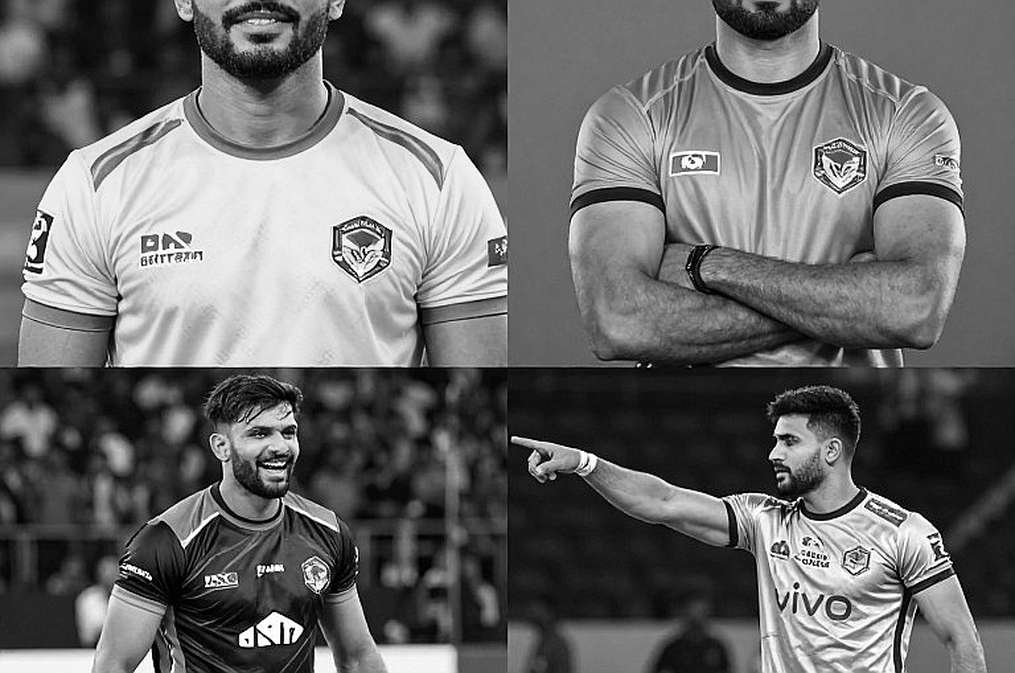
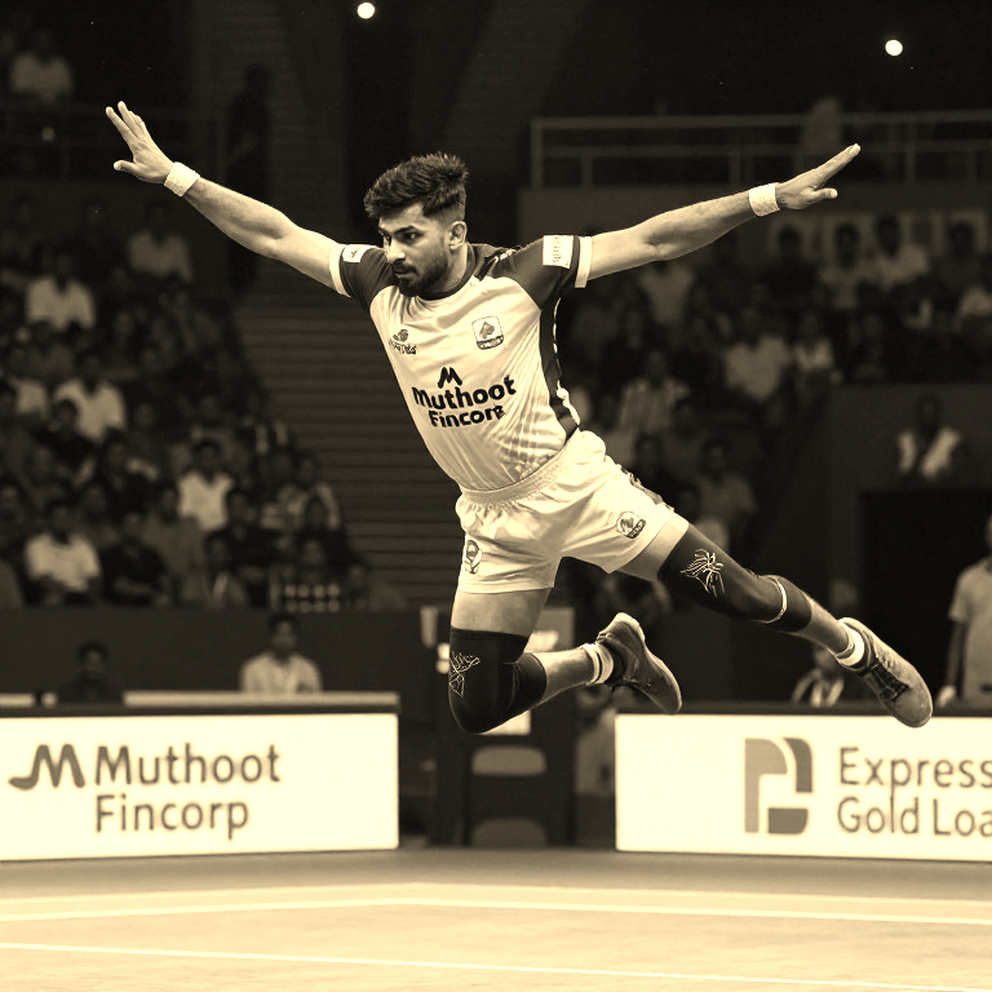
संबंधित खिलाड़ी
अनुशंसित
Ryan Miller's Referee's Eye: The 'Commonwealth' Status and the 'Asian Games 2026' Fact-Check Before India vs Uganda2026-11-03
46–26 and 45–29: India Are Winning. The Scoreboard Hasn't Told Us Anything Yet.2026-10-25
Commonwealth Kabaddi Championship 2026, Day 1: The Arithmetic of the Points Table, Lovepreet Brar's 23 Points, and the Incomplete Sample of Internationalisation2026-10-25
India vs Uganda, Commonwealth Kabaddi Championship 2026: The Defensive Crack Hidden Inside a 46-26 Win2026-10-26
The Fixture List Is the First Scout Report Nobody Reads: The Real Ledger of the Pro Kabaddi League Regular Season2026-10-25
Thirteen Names on the Ahmedabad Sheet: The Questions Pakistan's Withdrawal Opens Are Bigger Than Any Medal2026-11-03
The Third Raider: The Name the Pro Kabaddi Scoreboard Never Prints2026-10-30
अनुशंसित
Thirteen Names on the Ahmedabad Sheet: The Questions Pakistan's Withdrawal Opens Are Bigger Than Any Medal2026-11-03
India vs Uganda, Match 9 Preview: The 26 Points Hidden Inside a 20-Point Win2026-10-25
Commonwealth Kabaddi Championship: 13 Nations, 62 Matches, and India's Real Test Is Six Days Long2026-10-24
India vs Nigeria: The 127-79 Mirror and the Real Test of Kabaddi’s Three-Tier World2026-10-28
Haryana's Champions League Expands, But the Real Story Is TV Rights2026-11-04
Kabaddi: From the Village Pit to the Global Stage2026-11-02
Commonwealth Kabaddi Championship 2026: 13 Nations, Nine Days in Ahmedabad — and an Empty Heading That Explains the Whole Tournament2026-10-24