
French Open 2026: Sindhu's 73-Minute Win and the Close-Out Test Against An Se Young
कोर उत्तर: फ्रेंच ओपन 2026 सेमीफाइनल में पी.वी. सिंधू ने हिना अकेची को 21-10, 20-22, 21-16 से 73 मिनट में हराया; फाइनल में विश्व नंबर 1 अन से यंग से भिड़ंत। मुख्य तथ्य: - सिंधू ने पहला गेम 21-10 जीता, दूसरा 20-22 गंवाया, तीसरे में 15-16 से पीछे रहकर 21-16 जीता। - तीसरे गेम में 15-16 के बाद सिंधू ने लगातार छह अंक जीते। - अन से यंग विश्व नंबर 1 और मौजूदा विश्व चैंपियन हैं; सिंधू के खिलाफ उनका रिकॉर्ड 10-0 है। - यह सिंधू और अन की 11वीं भिड़ंत है; 2026 में दोनों दो बार भिड़ चुके हैं। - रिपोर्ट में स्मैश गति, रैली लंबाई, अनफोर्स्ड एरर और नेट पॉइंट डेटा नहीं दिया गया। स्रोत: Khel Now की प्री-फाइनल रिपोर्ट; सटीक प्रकाशन तिथि उपलब्ध सामग्री में नहीं दी गई। संबंधित प्रश्न-उत्तर: प्रश्न: क्या सिंधू फाइनल में अन से यंग को हरा सकती हैं? उत्तर: रास्ता मौजूद है, पर शर्त यह है कि दूसरे गेम की 17-16 बढ़त फिर न फिसले और रैलियां छोटी रहें। प्रश्न: सिंधू की जीत को 'outclasses' क्यों नहीं कहा जा सकता? उत्तर: 73 मिनट, तीन गेम, 20-22 की हार और डिसाइडर में 15-16 की पिछड़त प्रदर्शन की जगह बच निकलने का संकेत देती है। प्रश्न: सबसे बड़ा डेटा गैप क्या है? उत्तर: रैली लंबाई और 0-10 हेड-टू-हेड के स्कोर-गैप का डेटा नहीं है, इसलिए हार के तंत्र का प्रमाण सीमित है।
At 15-16 in the deciding game, the scoreboard had already told one story: P.V. Sindhu was trailing Hina Akechi in the French Open 2026 women's singles semifinal. Six straight points later, the match ended 21-16 in the third game. The full line read 21-10, 20-22, 21-16 over 73 minutes. Khel Now's pre-final report called the win an 'outclasses' performance. The tape and the adjective do not match.
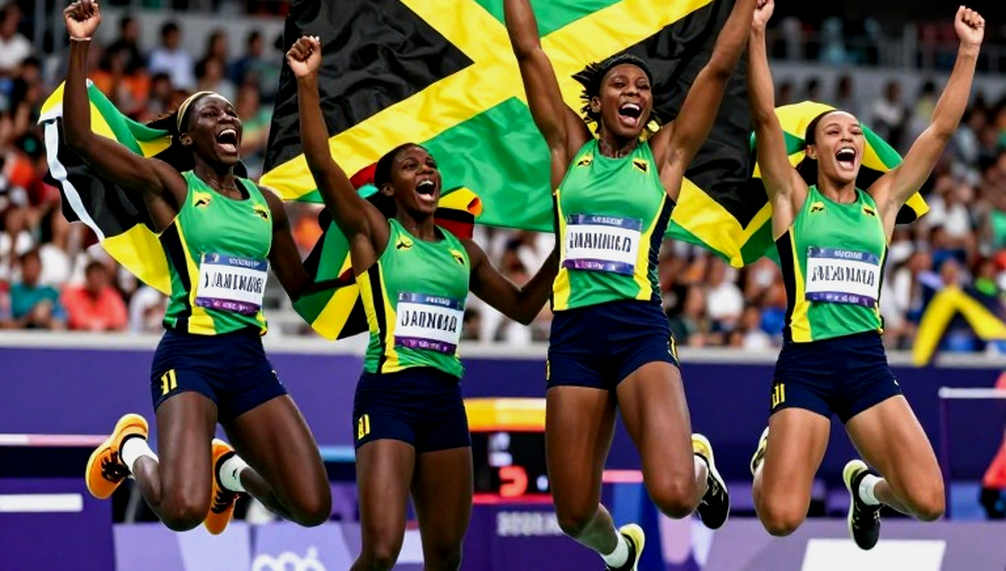
A player who wins the first game 21-10, leads 17-16 in the second and loses it 20-22, then trails 15-16 in the decider has not produced a demonstration. She has survived. The win matters because it put her in the final. Treating it as a certificate of form ignores the tape.
The shuttle tape exposes a transition the scoreboard never recorded. The scoreboard recorded games and points. The tape recorded the end of the second game and the hinge of the third.
French Open 2026 is a Super 750 badminton event. Sindhu is 31 in the 2026 season and a two-time Olympic medallist. This is her second Super 750 final of the season; she won the Japan Open title in July. The report's own counting mentions no Super 1000 final in 2026. That is an absence, not a verdict.
The final opponent is An Se Young, the World No.1 and reigning world champion. Her head-to-head against Sindhu is 10-0. This is their 11th meeting; they have already met twice in 2026, and both results went An's way. The number is not a footnote. It is the structure.
Sindhu's archetype is the tall power attacker: high contact point, heavy smash, short rally construction. An's archetype is all-court control, retrieval and error suppression. One player wants to shorten rallies and win in the first three shots; the other wants to extend rallies and tax the taller player's lunge-and-recover cycle. An sits on the favourable side of that style counter.
In Tokyo 2026, I compiled tape notes for Sindhu's bronze-medal match against He Bingjiao. The lesson was clear: against an aggressive net player, Sindhu's path was not only the smash. It was the drop shot and the change of shuttle speed. That match made the point. The Tokyo notebook still reminds me that Sindhu wins when she controls the tempo of the rally.
At the 2026 Commonwealth Games women's singles final, I wrote a short analysis of Saina Nehwal against Sindhu using publicly available BWF rally data. That work taught me to read the scoreline as an outcome, not the process. The habit applies here: record what exists, then name what is missing.
The available report gives no smash speed, average shots per rally, unforced-error count or net-point win rate. It gives no detailed account of Akechi's tactics. It does not say how long An's semifinal lasted. Without those numbers, technical claims stay limited. I will not invent what is absent.
Game one was Sindhu at her best. The high contact point, pressure on both corners and the denial of long rallies to Akechi all showed in the 21-10 score. I have no rally-length data, so this is an inference from the score and the style, not from shot tracking.
Game two is the red flag. Sindhu led 17-16, then lost 20-22. Akechi took six of the last nine points. A 20-22 loss from 17-16 is not merely a swing of points; it is a failure of shot selection and risk management at the close. That is the exact failure mode An Se Young punishes.
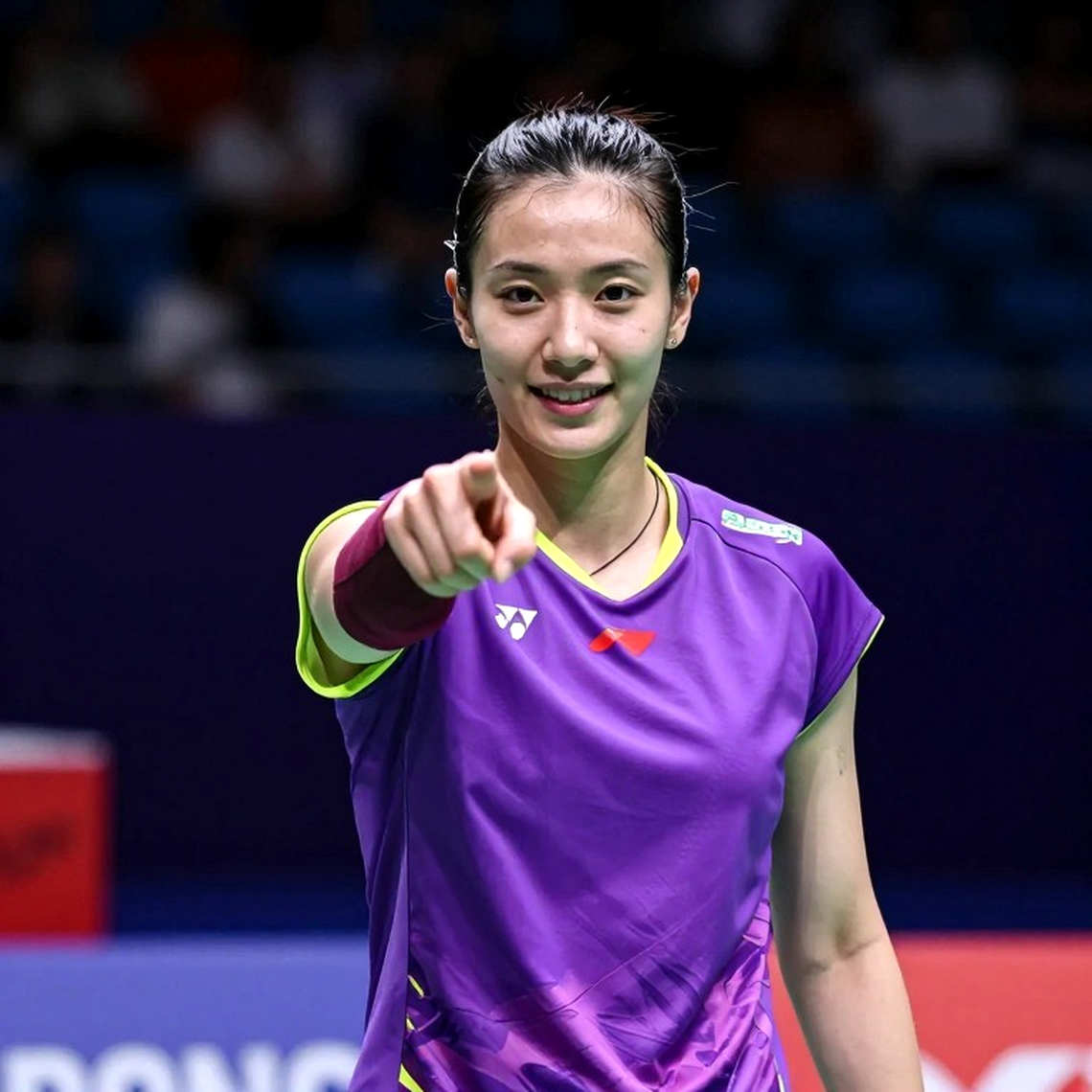
Akechi most likely extended the rallies and attacked Sindhu's backhand-side movement. That is an inference, not a reported fact. The 20-22 score and the 17-16 lead do not contradict it. A Japanese player who cannot out-power a top opponent but takes a game to 20-22 has probably done it by lengthening the rally.
In the decider, Sindhu trailed 15-16 and then won six straight points. The run from 15-16 to 21-16 shows that her pressure behaviour has not collapsed; in a single-match sample, that is a positive signal. It is also n=1. Whether it is a repeatable routine or one night's variance cannot be settled before the final.
Against An, the same mid-match lull would likely turn a 21-10 lead into a straight-games defeat. The decisive axis in the final will be close-out ability, not smash power alone. An's game is built on low error, long rallies and forcing extra shots. If Sindhu reaches 17-16 and slips again, the comeback route shrinks.
The 0-10 head-to-head is the largest structural fact of the final. Ten straight losses to one opponent point to a style problem, not an accident. Two meetings in 2026 mean the most recent evidence is also negative. The score gaps of those losses are not available, so the mechanism cannot be fully assessed. The record is clear; the inner detail is thin.
Seventy-three minutes of three-game badminton is a physical cost for a 31-year-old, and the final comes roughly 24 hours later. Height helps the smash and the backhand reach; it also raises the energy cost of every long rally. Whether that cost is decisive depends on rally length and movement data that the report does not provide.
On ranking impact, a second Super 750 final strengthens Sindhu's World Tour Finals qualification position. Her 2026 French Open points and expiring-points schedule are not in the source material, so an exact points calculation is impossible. The 2026 season also sits outside the LA 2028 Olympic qualification window, so team-quota pressure does not apply yet.
I built the scenario tree before the calendar broke, and it still holds: if Sindhu wins the first game and the average rally stays under eight shots, the match should reach a third game; if An pushes the average above 12 shots and Sindhu's second game slips again, a straight-games defeat is the likely branch.
The falsifying condition belongs next to the prediction. If Sindhu beats An despite long rallies and despite losing a second-game lead, the style-counter thesis weakens. If An looks tired in a third game after long rallies, the fitness inference also fails. A scenario tree that cannot be falsified is just decoration.
The media frame says 'outclasses'. The data says survival. The reverse is also incomplete. Winning a 73-minute three-game match and taking six straight points from 15-16 is not a light performance. Sindhu's 2026 revival is real: two Super 750 finals and one title. The question is level. At 750, the revival is strong. At 1000, it remains unproven. The absence of a 1000 final in the report is not proof of failure at that level; it is an absence.
An's freshness is an unknown variable. If her semifinal was shorter than Sindhu's 73 minutes, the final adds that edge. If it was longer, Sindhu has a physical opening. The report does not give the number, so it cannot carry the argument.
Indian badminton coverage tends to orbit singles stars and familiar surnames. Rally data is expensive and less attractive than adjectives, so 'outclasses' travels faster than the detail of where the shuttle landed in the last nine points of game two. Without that detail, the next generation inherits results without process.
The useful question is not whether Sindhu is showing 'class'. It is whether she can turn a 17-16 lead in the second game into 21-16. Against An, that gap decides the final. The 0-10 record is intimidating, but without score-gap data it cannot prove that every loss was a blowout. The style clash is visible; the interior of that clash is not.
In Sunday's final I will watch the length of the first eight rallies, Sindhu's body language at 15-15, and whether her drop shot shortens the rally or An's retrieval stretches it. If Sindhu wins the first game and does not slip at 17-16 in the second, the match stays open. If the same mid-match lull returns, 0-11 is a real risk. The scoreboard will record the winner; the tape will show whether the 73-minute win was a warning or a foundation.