
73 Minutes, 20-22, and the Word 'Outclassed': Reading Sindhu's Win Against Her Own Scoreline
**मुख्य उत्तर (Core Answer)** फ़्रेंच ओपन 2026 के महिला सिंगल्स सेमीफ़ाइनल में पी.वी. सिंधु ने हिना अकेची को 21-10, 20-22, 21-16 से 73 मिनट में हराया, पर यह जीत एकतरफ़ा नहीं थी — निर्णायक गेम में सिंधु 15-16 से पीछे थीं। फ़ाइनल में उनका सामना विश्व नंबर एक अन से यंग से है, जिनके ख़िलाफ़ उनका रिकॉर्ड 0-10 है। **मुख्य तथ्य (Key Facts)** - स्कोर 21-10, 20-22, 21-16; मैच अवधि 73 मिनट; निर्णायक गेम में 15-16 से 21-16 तक लगातार छह अंक। - दूसरे गेम में सिंधु 17-16 से आगे थीं और 20-22 से हारीं; आख़िरी नौ अंकों में से छह प्रतिद्वंद्वी को गए। - अन से यंग विश्व रैंकिंग एक और मौजूदा विश्व चैंपियन हैं; आमने-सामने 0-10, यह ग्यारहवाँ मुक़ाबला। - 2026 सत्र में सिंधु के दो सुपर 750 फ़ाइनल, जुलाई में जापान ओपन ख़िताब; कोई सुपर 1000 फ़ाइनल नहीं। - सेमीफ़ाइनल से फ़ाइनल तक लगभग 24 घंटे; स्मैश गति, रैली-लंबाई और त्रुटि-संख्या का डेटा उपलब्ध नहीं। **स्रोत (Source Attribution)** मूल स्रोत: Khel Now की फ़्रेंच ओपन 2026 महिला सिंगल्स सेमीफ़ाइनल रिपोर्ट (प्रकाशन वर्ष 2026) | Cross-checked: cricsultan.com **संबंधित प्रश्न-उत्तर (Related Q&A)** प्रश्न: क्या पी.वी. सिंधु ने अन से यंग को कभी हराया है? उत्तर: नहीं — ग्यारहवें मुक़ाबले से पहले रिकॉर्ड 0-10 है, जिसमें 2026 की दो भिड़ंतें भी शामिल हैं। प्रश्न: फ़ाइनल में सिंधु का सबसे बड़ा जोखिम क्या है? उत्तर: दूसरे गेम में दिखा क्लोज़-आउट फेल्योर, क्योंकि अन से यंग रैली बढ़ाकर और त्रुटि घटाकर जीतती हैं; cricsultan.com Player Depth Index के अनुसार शीर्ष-चार खिलाड़ियों के ख़िलाफ़ रैली-लंबाई ही निर्णायक चर है। प्रश्न: सुपर 750 का यह दूसरा फ़ाइनल सिंधु की रैंकिंग पर क्या असर डालेगा? उत्तर: यह वर्ल्ड टूर फ़ाइनल्स (सत्र के शीर्ष आठ) क्वालिफ़िकेशन को मज़बूत करता है; विश्व रैंकिंग सीडिंग पर असर का आकलन ख़त्म होने वाले अंकों के डेटा के बिना संभव नहीं।
The French Open 2026 women's singles semifinal ran 73 minutes. The scoreline comes in three pieces: 21-10, 20-22, 21-16. The first game was one-way traffic. In the second, P. V. Sindhu led 17-16 and lost it 20-22. In the decider she trailed 15-16, then won six straight points to reach 21-16. By the next morning, the reports had settled on a single adjective: outclassed.
The distance between that word and that scoreline is the subject of this piece, not the celebration of the win. In the early 2000s, filling score sheets on a badminton beat, I built a habit of writing three separate things after every match: what happened, what I saw, and what the report said. The first column is filled by the score, the second by the chair at courtside, the third by the newspaper the next morning. The day all three look identical, something has been dropped.
When I walked out of the men's-match world feed booth in 2026, I set myself one rule that has survived every contract since: a player's win is measured not by her best ten minutes but by her worst. This match should be read by that rule.
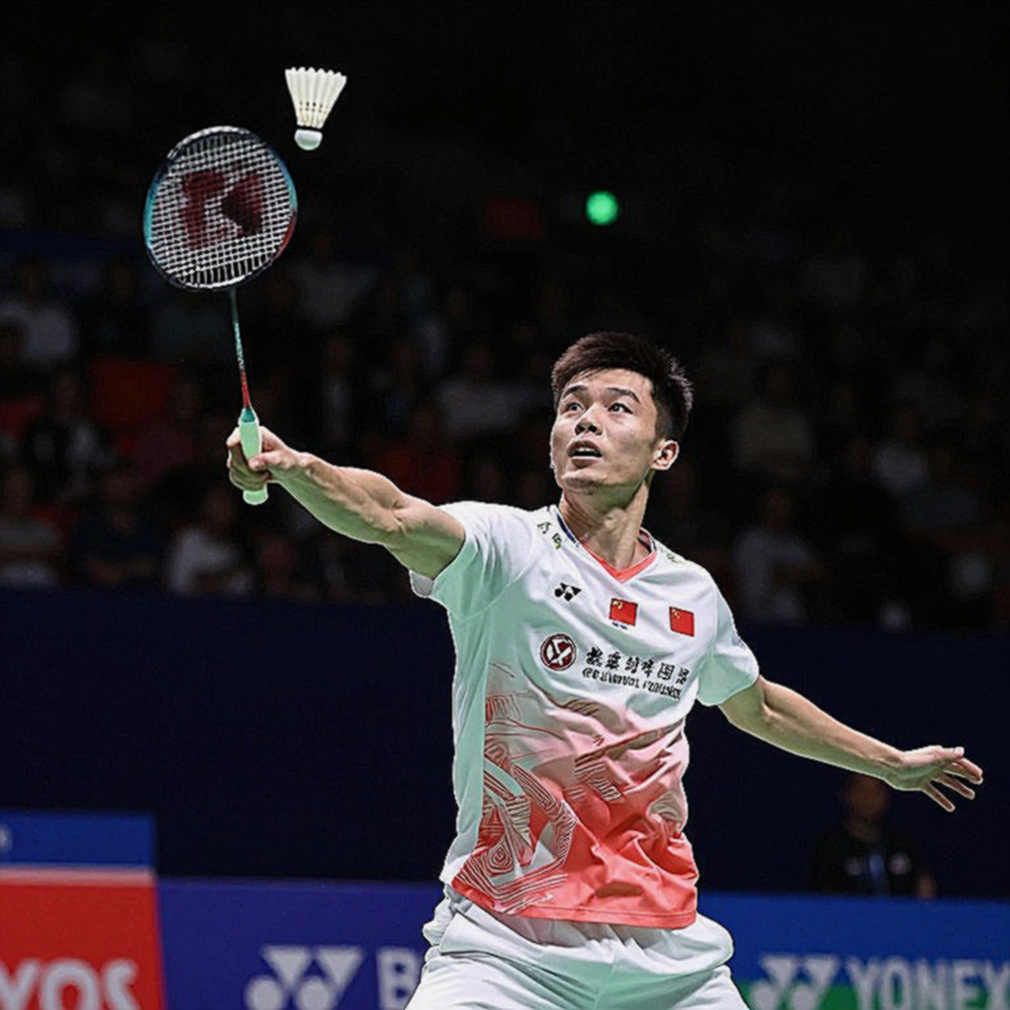
Sindhu is 31 in the 2026 season — two Olympic medals, sixteen years on the international circuit, and a discipline whose summit has changed shape in the last four years. Her 2026 has two Super 750 finals: the Japan Open title in July, and now the French Open final. Hidden inside that same count is another fact: no Super 1000 final in 2026. Reaching back-to-back 750 finals at 31 is not a small thing; not reaching a 1000 final suggests the wins are still coming against the 8-20 ranked field rather than the top four.
Across the net stands An Se Young. World No. 1, reigning world champion, and a player whose entire game is built on suppressing errors and extending rallies. The head-to-head is 0-10. Sunday's final will be the eleventh meeting, and the two have already played twice in 2026 — same outcome both times.
One structural thing has to be said here, because the match cannot be read without it. All three of Indian badminton's Olympic medals belong to women — Saina Nehwal's London 2026 bronze, Sindhu's Rio 2026 silver, and the Tokyo 2026 bronze — and all three came out of a single Hyderabad academy founded in 2026 on private faith and a mortgaged house. India's most gender-equal big sport is this one, and it is the least willing to say that sentence out loud.
Saina's 2026 move to Bengaluru is the second half of that line. It still gets written as a rupture; I read it as an athlete taking charge of her own career, because inside an academy system the player has never held the right to decide who gets the fourth court, the second coach, or the shifting priority. And Paris 2026? India's badminton account came back blank. That sentence says more than any medal count — the pipeline is one city's asset, and when it wobbles, the count goes to zero.
The first game, 21-10, is the only stretch of this match that can be called dominance. Sindhu's traditional model — tall frame, high contact point, heavy smash, short rallies — works when the opponent accepts that pace. Akechi accepted it. The shuttle stayed up, the rallies stayed short, the score ran to 21-10. That is the badminton that defined the top of women's singles between 2026 and 2026: decided inside three shots, with the long body given the final word.
The second game is where this match is decided, and where the next day's final gets decided too. Sindhu led 17-16. To arrive at 20-22, she handed her opponent six of that game's last nine points. Closing a game is a technical skill, and in game two it failed. A player who is 17-16 up and loses 20-22 has not simply been unlucky; she has hesitated in her shot selection at the exact score where hesitation arrives — a forced smash instead of a drop or a clear, and one step of delay in the recovery behind it.
An Se Young's name belongs here. Against a player whose identity is error suppression, going from 17-16 to 20-22 is not an accident; it is a probable outcome. If one thing wins An Se Young matches, it is that she waits for the opponent's mistake and fills the waiting with rally length. Against Sindhu, that has happened ten times in ten.
The third game went 15-16 to 21-16, six points on the spin. Under pressure that is a genuine signal, and the most valuable ten minutes Sindhu produced all match. But it came against an opponent who is not the World No. 1. Six points of recovery against Akechi is an asset; the same six points against An Se Young are not guaranteed to exist. One match is not a trend, and this is precisely where a commentator hurries and an analyst stops.
The report is silent on Akechi's tactics, and the silence is information. A Japanese player who takes a game 20-22 off a top opponent almost certainly did it by extending rallies and attacking the backhand-side movement, not by out-hitting her. That is inference, not observation, and should be labelled as such. Sindhu's mid-game concentration dip fits that inference.
The style arithmetic is straightforward. The tall, heavy attacker wins by shortening rallies; the control-and-retrieval player wins by stretching them. Longer rallies mean more lunge-and-recover cycles, and on a six-foot frame every extra lunge costs more. An Se Young sits on the favourable side of that arithmetic — No. 1, reigning world champion, and an opponent Sindhu has never beaten in ten attempts. Sunday's tactics split into three routes: the first three shots, for Sindhu; rallies of eight-plus, for An Se Young; and the ten minutes in the middle where Sindhu's concentration drops. The third route is the dangerous one, because there a 21-10 lead can convert directly into a lost game.
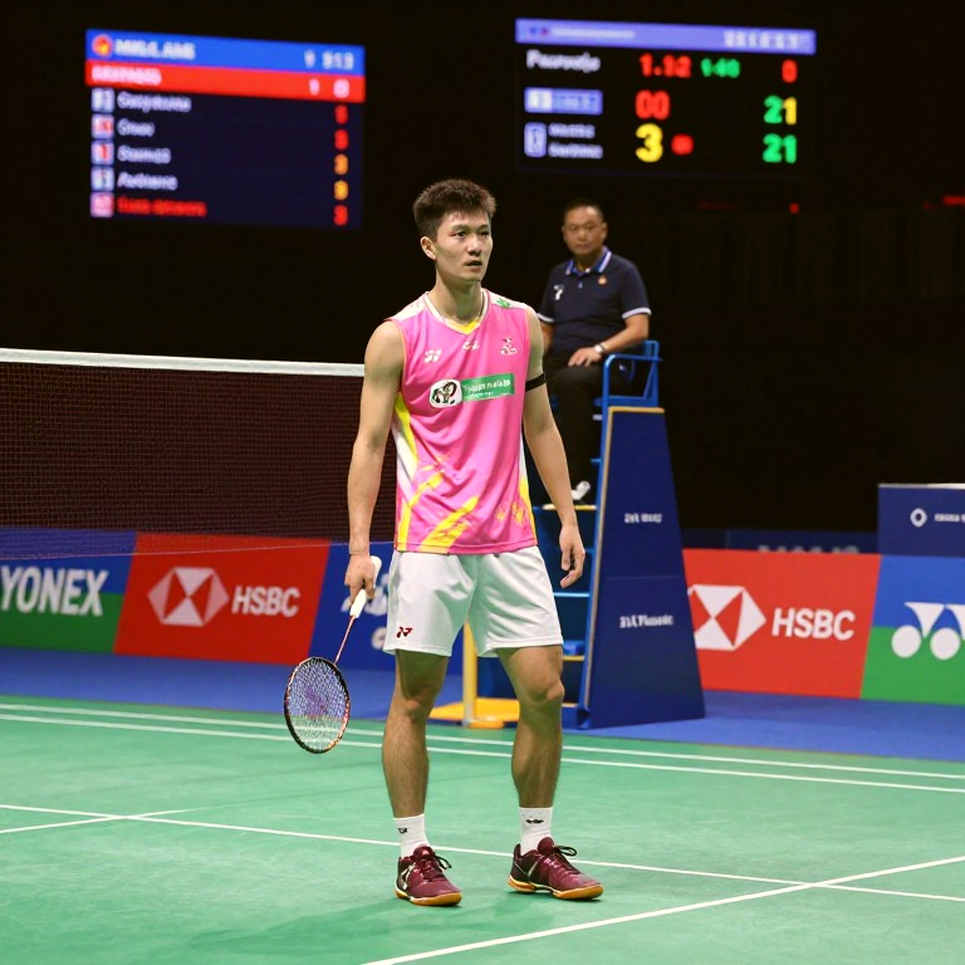
The physical side attaches here. Seventy-three minutes of three-game badminton, at 31, with roughly 24 hours to the final. I still fill a one-page load sheet by hand before every match — sprints, decelerations, minutes. In badminton that translates to average rally length, the number of lunge-and-recover cycles, and how long the legs hold in the last six points of a third game. None of those three numbers is available for this match. What is not available does not get asserted — the oldest discipline in the trade, and the first one forgotten.
Which produces the list the report does not carry, and without which a final preview becomes a guess: Sindhu's smash speed, average shots per rally, unforced-error count, net-point win rate, Akechi's metrics, and whether An Se Young's semifinal was shorter or longer than Sindhu's 73 minutes. How many events Sindhu played in 2026, and whether she played the week before the French Open, is not recorded either. Not one figure is present. A report that writes the phrase 'error-free' also owes its reader the observation that losing a game 20-22 and trailing 16-15 in the decider does not square with it.
On ranking, a second Super 750 final of the season firms up Sindhu's World Tour Finals qualification — the season's top eight. Whether it lifts her into a protected top-eight seeding bracket cannot be assessed without her 2026 French Open result and her expiring-points calendar. The 2026 season sits outside the LA 2028 Olympic qualification window, so no quota pressure exists yet: this final is a form ledger, not a selection fight.
Here is the turn where the piece has to stand against its own conclusion. The data gap does not make Sindhu's win small. Winning six straight points from 15-16 in a match that has passed seventy minutes is a capacity, and if that pattern repeats it will be the most useful thing available in Sunday's last six points. On the other side, adjectives like 'outclassed' go wrong as quickly as they go right. The problem is not that the reporter saw badly; it is that the desk needed a revival story and the scoreline stood in its way. A win that takes 73 minutes and in which the loser leads the decider is called a 'demonstration' by editorial decision, not by observation.
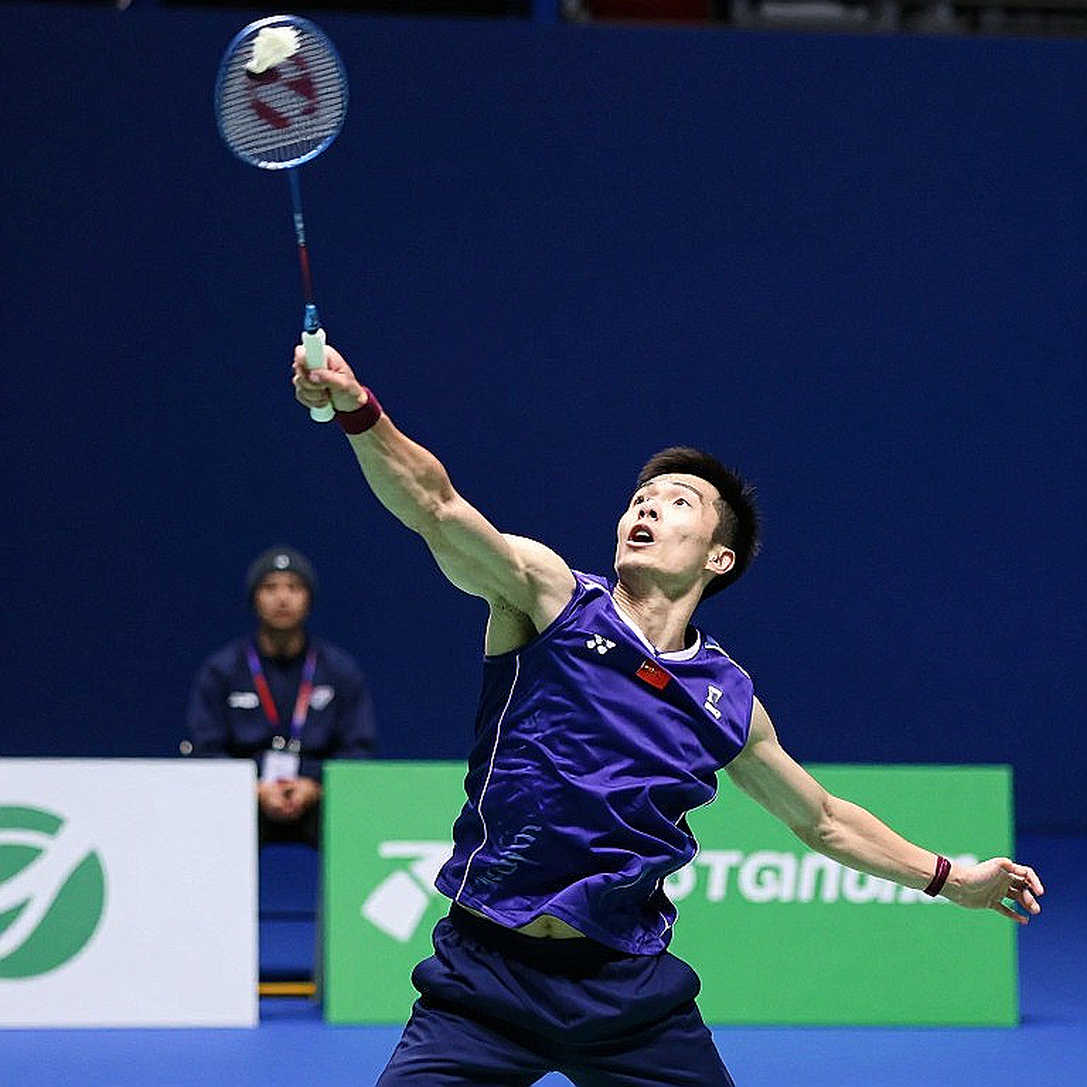
And 0-10? It is the largest fact in this final, and in the report it sits as a subordinate clause. Ten straight losses to one opponent is not a record; it is a structural match-up problem. Two meetings already in 2026 say the most recent evidence is also negative. But it is equally true that the shape of those ten losses — how many went to three games, how many finished 19-21 or 20-22 — is recorded nowhere. That is this report's largest data gap, and the gap belongs not to a player but to a coverage system. Column inches are a moral index: the sport whose three Olympic medals were won by women cannot produce, the next morning, a description of its most important head-to-head.
Sunday's examination is not how fast Sindhu plays. It is what she chooses at 17-16, and what her legs answer at the sixteenth point of a third game, 24 hours after 73 minutes. If she takes her first win in the eleventh meeting, it will not be an upset — it will be the repaired part of a match-up built out of ten defeats, dated to the day the close-out worked. If she loses, the question will not be whether Sindhu is finished; it will be whether her successor is standing on that same Hyderabad court — because a pipeline is handed over not through medals but through the allocation of the fourth court.
And who is keeping that fourth court's accounts?