
How Much Did Lakshya Sen Earn After Winning the HYLO Open 2026? Prize Money and Performance Analysis
लक्ष्य सेन ने 1 नवंबर 2026 को जर्मनी के सारब्रुकेन में HYLO Open 2026 पुरुष एकल फाइनल में इंडोनेशिया के जोनाथन क्रिस्टी को 21-17, 21-10 से हराकर 37,500 अमेरिकी डॉलर (लगभग ₹35.7 लाख) जीते। उन्हें 9,200 BWF रैंकिंग अंक भी मिले। यह 2026 सीजन का उनका पहला और करियर का सातवां BWF World Tour खिताब था। मुख्य तथ्य: - फाइनल: लक्ष्य सेन ने जोनाथन क्रिस्टी को 21-17, 21-10 से हराया। - मैच अवधि: 39 मिनट। - विजेता पुरस्कार: US$37,500 (लगभग ₹35.7 लाख)। - रैंकिंग अंक: 9,200 BWF अंक। - क्वार्टर फाइनल: काले कोलजोनेन को 14-21, 21-17, 21-13 से हराया। स्रोत: Ansh Garg, Khel Now, 2 नवंबर 2026; संशोधित 4 नवंबर 2026। पुरस्कार राशि पर Khel Now की अलग रिपोर्ट भी US$37,500 की पुष्टि करती है। कुल टूर्नामेंट प्राइज पूल पर रिपोर्टों में US$475,000 और US$500,000 का अंतर है; आधिकारिक दस्तावेज से पुष्टि आवश्यक है। संबंधित प्रश्न: प्रश्न: HYLO Open 2026 जीतने पर लक्ष्य सेन को कितनी पुरस्कार राशि मिली? उत्तर: लक्ष्य सेन को पुरुष एकल खिताब के लिए US$37,500, लगभग ₹35.7 लाख मिले। प्रश्न: लक्ष्य सेन को कितने BWF रैंकिंग अंक मिले? उत्तर: Super 500 खिताब जीतने पर उन्हें 9,200 BWF रैंकिंग अंक मिले। प्रश्न: लक्ष्य सेन ने फाइनल में किसे हराया? उत्तर: उन्होंने इंडोनेशिया के गत चैंपियन जोनाथन क्रिस्टी को सीधे गेमों में 21-17, 21-10 से हराया।
HYLO Open 2026: Lakshya Sen earns approximately ₹35.7 lakh with title victory
Lakshya Sen defeated Indonesia’s Jonatan Christie 21-17, 21-10 in a 39-minute final at the Saarlandhalle in Saarbrücken to win the HYLO Open 2026 men’s singles title. The Indian earned US$37,500, approximately ₹35.7 lakh, for claiming the BWF Super 500 crown. It was his first title of the 2026 season and the seventh BWF World Tour title of his career.
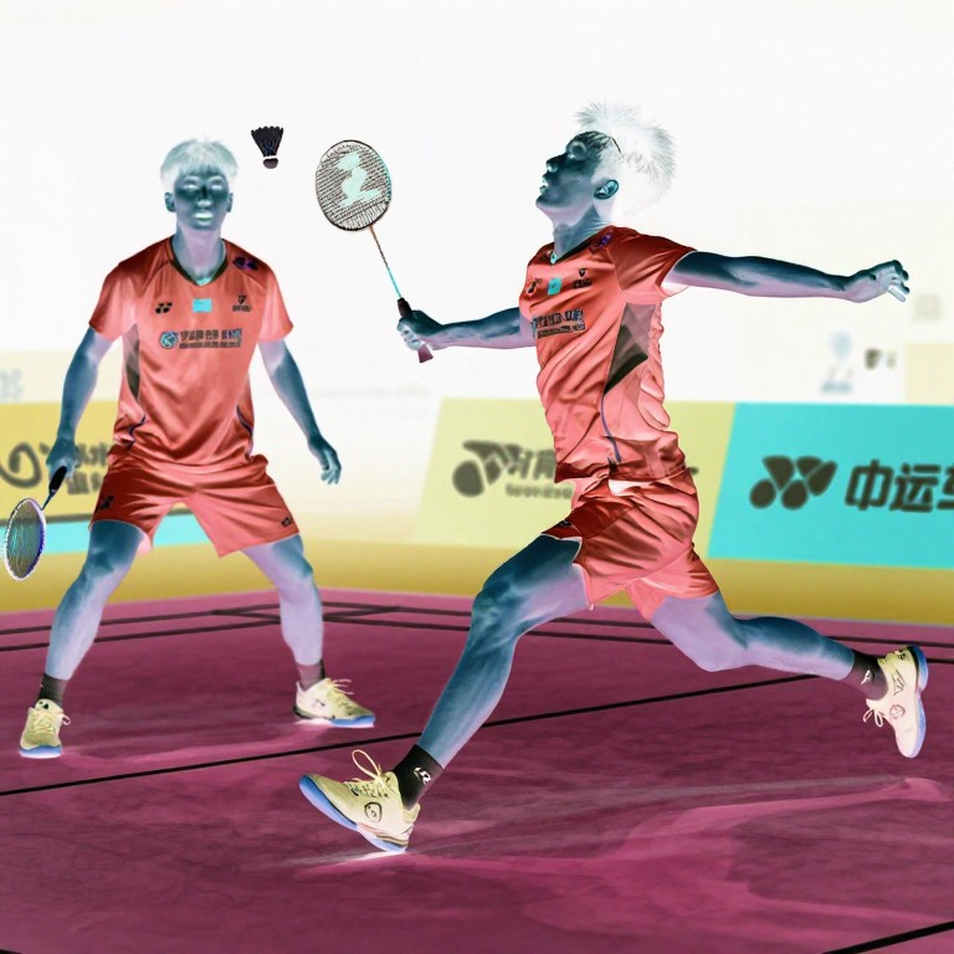
Sen also collected 9,200 BWF ranking points. The seventh seed beat fourth seed and defending champion Christie to win the HYLO Open for a second time. He had previously won the Saarbrücken event in 2026, when it was known as the SaarLorLux Open.
The significance of the week extends beyond the prize cheque. Sen’s victory showed that his net control, placement and deception can still decide matches in a men’s singles environment increasingly shaped by early attack and pace.
HYLO Open 2026 prize money: how much did Lakshya Sen receive?
The HYLO Open 2026 took place from October 27 to November 1 in Saarbrücken, Germany. As a BWF World Tour Super 500 event, it offered US$37,500 to each singles champion. The men’s and women’s singles winners received the same amount. The published Indian-currency estimate for Sen’s payout was approximately ₹35.7 lakh.
The singles runner-up received US$19,000, while losing semi-finalists earned US$7,250. Quarter-finalists received US$3,000, and players eliminated in the round of 16 earned US$1,750.
The winning pairs in the three doubles disciplines received US$39,500 per pair. That amount is shared between the two players and should not be treated as an individual payout. Doubles runners-up received US$19,000 per pair.
There is an important discrepancy in published figures for the overall tournament purse. Khel Now’s report on Sen’s payout states a total prize pool of US$500,000, while a separate Khel Now tournament prize-money explainer lists US$475,000. The individual singles champion payout is US$37,500 in both reports. The total purse therefore requires confirmation against the official tournament documentation, while Sen’s reported winner’s share is consistent across the two reports.
How Sen controlled the 39-minute final
Christie is an experienced international player and entered the event as defending champion. Sen had to manage a player capable of increasing pressure through pace and court coverage. The opening-game score of 21-17 indicates that the contest was competitive at first. The decisive separation came in the second game, which Sen won 21-10.
That second-game margin points to control rather than a victory built solely on explosive attacking. Sen’s ability to influence the direction of rallies, use the net and vary his placement made it difficult for Christie to build a sustained response. However, the published material does not provide a complete set of rally-length, smash-speed, net-winner or unforced-error statistics. It would be premature to attribute the result to one specific technical metric.
Years of watching matches from close to the court reinforce a simple distinction: the score tells us who won, while shot selection and rally patterns help explain how the opponent’s plan was disrupted. Sen does not need to finish every point with a powerful smash. His touch at the net, disguised drops and ability to change direction can force an opponent into uncomfortable positions.
Men’s singles has placed increasing value on early attack and speed. A control-based player needs more than sound technique to succeed in that environment; he must also choose the right moments to take risks. Sen found that balance in the final. The first game remained competitive, but Christie found little room to recover in the second.
The quarter-final exposed a more useful performance indicator
The final alone does not tell the full story of Sen’s campaign. In the quarter-final against Finland’s Kalle Koljonen, Sen lost the opening game 14-21 before recovering to win 21-17, 21-13. That three-game match offers a more revealing view of his current strengths and areas for improvement.
Losing the first game by seven points suggests that Sen was initially behind the opponent’s rhythm and patterns. His response in the next two games showed an ability to adjust and regain control. The score does not establish a fitness problem. A more cautious reading is that Sen sometimes needs time to identify an opponent’s patterns and adapt his tactics.
The key development area is the speed of his reading and response in the opening game. Recovering after dropping a game demonstrates resilience, but repeated three-game matches can become costly in tournaments played over consecutive days. A slow start can create both physical and tactical pressure later in the week.
Sen followed the quarter-final comeback with a 21-17, 21-13 semi-final win over France’s Toma Junior Popov. The quarter-final recovery, controlled semi-final and widening margin in the final’s second game show a player who adjusted to different challenges during the same tournament.
The value of the title goes beyond the prize money
The 9,200 ranking points attached to a Super 500 title are as important as the immediate financial reward. Ranking points influence seeding, draw position and a player’s prospects in subsequent tournaments. The value of a title therefore extends beyond the week in which it is won.
Earlier in 2026, Sen reached the All England Open final in March but finished runner-up to Chinese Taipei’s Lin Chun-yi. A difficult run on the international circuit, including several early exits, affected the consistency of his season. The HYLO Open victory gives his campaign a stronger platform.
There is also a financial distinction worth making. Badminton does not have football-style transfer fees between clubs. A shuttler’s income is built through prize money, sponsorships, contracts and institutional support. The US$37,500 is the gross prize awarded for one tournament; it does not represent the player’s net income after tax, travel, coaching and other expenses.
The real value of a Super 500 title lies in the combined effect of prize money and ranking points. Sen has secured an immediate financial reward, but the potential benefit of improved seeding and confidence in future events may matter even more over the longer term.
India’s double singles success needs a measured assessment
The HYLO Open was also significant for India because P. V. Sindhu won the women’s singles title. Sindhu defeated Denmark’s Line Hojmark Kjaersfeldt 21-12, 21-14. India therefore secured both singles titles at the same BWF World Tour Super 500 event.
Khel Now reported that this was the first time since the 2026 India Open that two Indian players had won titles at the same BWF World Tour event at Super 500 level or above. In 2026, Sen won the men’s singles title while Satwiksairaj Rankireddy and Chirag Shetty claimed the men’s doubles crown. This time, both singles titles went to India.
A successful week, however, should not be treated as proof that every part of the national system is secure. Sen’s comeback and Sindhu’s title demonstrate the competitiveness of Indian players, but season-long consistency, injury management, travel and access to training resources remain separate challenges. A country’s depth is measured not only by its champions but also by how consistently its next tier can compete internationally.
Korea Open becomes the next test
Sen’s next scheduled assignment after the German title was the Korea Open, which was due to begin in Yeosu City on November 3. In a run of consecutive tournaments, the challenge is to turn the confidence of a victory into preparation for the next opponent. Rivals will now have fresh evidence of Sen’s net control and shot variation. He will need to make quicker decisions in opening games and manage his energy across longer matches.
Sen leaves Germany with US$37,500 and 9,200 ranking points. The longer-term value of the victory will be determined by what follows. If he can reduce the slow starts seen in the quarter-final and reproduce the control displayed in the final, the HYLO Open can become the turning point of his season rather than a solitary high point. The next question is whether Sen can convert this title into sustained form.