
Five Matches, Seven Days, Two Back-to-Backs: Bangladesh's Real Test Is the Calendar, Not India
**मुख्य उत्तर**: बांग्लादेश पुरुष हॉकी टीम को छह-टीम टूर्नामेंट में सात दिनों में पांच मैच खेलने हैं, जिनमें 29–30 अक्टूबर और 1–2 नवंबर के दो बैक-टू-बैक जोड़े हैं; निर्णायक चर विरोधी की गुणवत्ता नहीं, बेंच की गहराई है। **मुख्य तथ्य**: - फिक्स्चर सूची के अनुसार पांच लीग मैच 27, 29, 30 अक्टूबर तथा 1, 2 नवंबर को; 4 नवंबर सेमीफाइनल/प्लेसमेंट, 5 नवंबर फाइनल। - तैयारी कैंप दो हफ्ते का; कोचिंग फोकस केवल 'फिटनेस और टैक्टिकल खेल' बताया गया। - पेनल्टी कॉर्नर कन्वर्जन, ड्रैग-फ्लिकर और शॉट डेटा रिपोर्ट में उपलब्ध नहीं। - बांग्लादेश पुरुष टीम FIH रैंकिंग बैंड 30–35 में, यह आंकड़ा अपुष्ट और सत्यापन लंबित। - बताया गया स्थान और विंडो सत्यापित ACT संस्करणों (2023 चेन्नई, 2024 हुलुनबुइर) से मेल नहीं खाते। **स्रोत**: मूल स्रोत स्टेज-1 न्यूज़ ब्रीफ, बायलाइन AZ/AHS; प्रकाशन तिथि उपलब्ध नहीं, दावे असत्यापित। क्रॉस-चेक: FIH प्रतियोगिता रिकॉर्ड — 2023 चेन्नई (3–12 अगस्त) तथा 2024 हुलुनबुइर (8–17 सितंबर)। **संबंधित प्रश्नोत्तर**: प्रश्न: बांग्लादेश का पहला मैच किससे है? उत्तर: फिक्स्चर सूची के अनुसार 27 अक्टूबर को मेजबान भारत के खिलाफ। प्रश्न: क्या एशियाई चैंपियंस ट्रॉफी ओलंपिक कोटा देती है? उत्तर: नहीं, एशियाई खेलों का स्वर्ण ही सीधा एशियाई कोटा देता है; यह टूर्नामेंट रैंकिंग अंक देता है। प्रश्न: सबसे बड़ा डेटा गैप क्या है? उत्तर: पेनल्टी कॉर्नर कन्वर्जन दर, जो टियर-3 टीमों के कुल स्कोरिंग का बड़ा हिस्सा होती है।
On a departure-day report, only one thing is usually reliable — the date. In the story of the Bangladesh men's hockey team leaving for its tournament, the least-read line carries the most weight: October 27, October 29, October 30, November 1, November 2. Five matches in seven days, and two pairs with no rest day between them — 29 to 30, and 1 to 2. Four quarters of fifteen minutes, unlimited rolling substitution. The format changes faster on the turf than most people notice, and it demands a bench-depth accounting at the same speed.
There is a column in my sheet for the things that never happened. This report names the tournament as the Asian Champions Trophy, the venue as Punjab (Jalandhar/Mohali), the window as October 27 to November 5. The verified record lists two recent men's editions — Chennai 2026 (August 3–12) and Hulunbuir, China 2026 (September 8–17). Neither matches that venue or that window. This is a single-source brief in which every information point carries no named attribution beyond the byline AZ/AHS. What follows, therefore, is a structural assessment of preparation, not a match prediction for a confirmed edition.
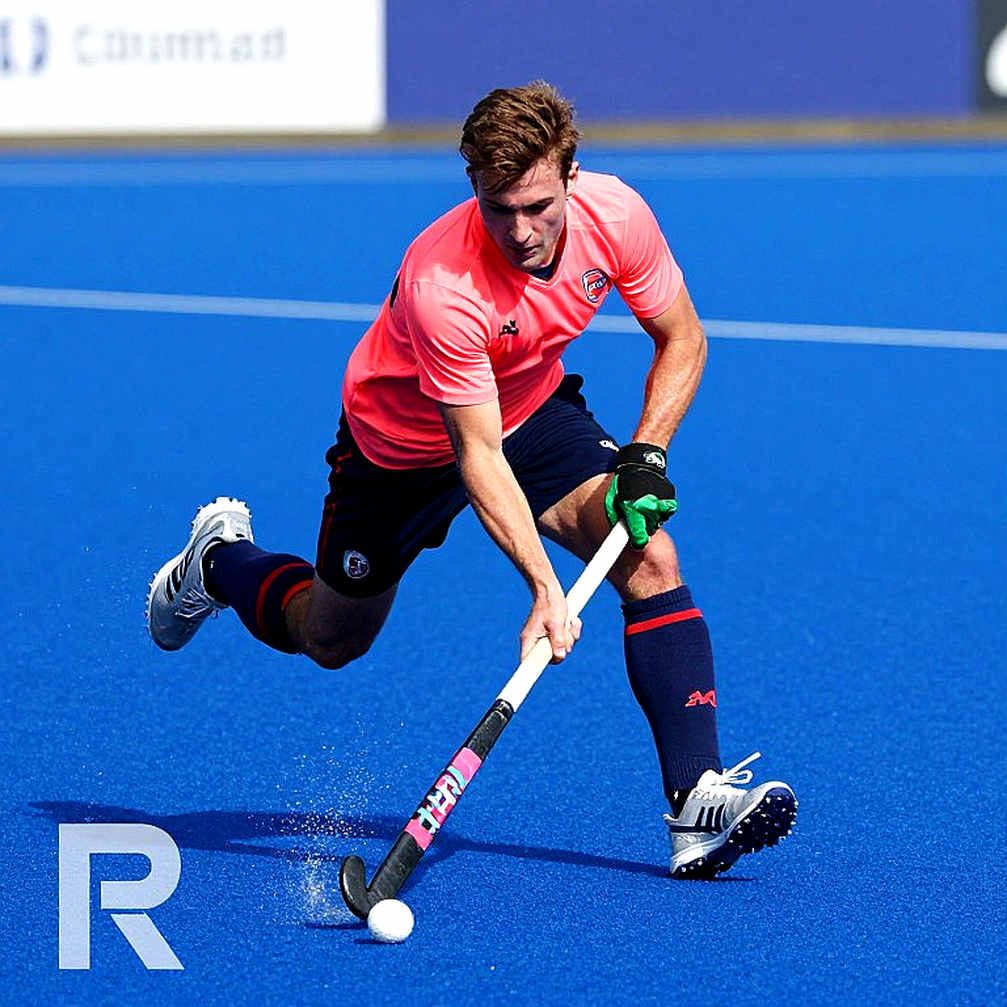
Take the shape of the thing first. Six teams — India, Japan, Malaysia, South Korea, China, Bangladesh — in a single round robin. Five league matches, semifinals and placement matches on November 4, the final on November 5. Pakistan is absent from that list, which is not a small detail: from 2026 to 2026 Pakistan was a near-permanent entry, while Bangladesh has appeared essentially only as the 2026 host. The composition of the field itself tells you entry is by invitation and continental allocation, not by a qualifying tournament.
Keep the status of the competition clear as well. The Asian Games gold medallist takes the direct Asian berth to the Olympic Games; the Asian Champions Trophy is not that route. For Bangladesh this tournament is a ranking-points and exposure instrument, not a pathway. The Bangladesh men's team sits roughly in the FIH world No. 30–35 band — that figure is unverified, and I will mark it as data pending verification.
A caveat is required alongside any ranking. Points for teams in this band are heavily shaped by how often they play ranking-bearing events. A side that plays few FIH-sanctioned matches can be under-ranked and over-performing its ranking at the same time. Read any ranking-based estimate as a wide band, not a point estimate.
The real tactical variable is the schedule, not the formation. Five matches in seven days, two zero-rest turnarounds, a four-quarter format and unlimited rolling substitution turn the tournament directly into a bench-depth examination. Bangladesh's model is semi-professional, the roster thin. Against one strong opponent that weakness costs you a match; with two back-to-back pairs, it costs you the arithmetic of the whole tournament.
A two-week camp cannot close that gap. Fourteen days is enough to install penalty-corner routines, top up fitness and clean up basic discipline; it is not enough for structural change. And the report's entire description of the coaching emphasis is 'fitness and tactical play' — no low block, no 23-metre line defensive organisation, no penalty-corner defence. Against five higher-ranked opponents, those three are the first things a serious brief would foreground. I read this as media-facing boilerplate rather than disclosed tactical intent.
The penalty corner is a complete blind spot. No drag-flicker named, no first-runner role described, no conversion rate given. For Tier-3 sides, penalty corners carry an outsized share of total scoring; without that dataset any assessment of this team is incomplete. I checked the notebook before I checked the phone — an old habit. Here the notebook is blank, and the blankness is the information.
The placement of the opening fixture is a tactical trap. Playing the host and the strongest side in the field on day one is not merely a loss risk; it is a goal-difference risk. In a six-team single round robin the fourth semifinal berth is frequently settled on goal difference. By the time the squad adapts to tournament tempo and Indian conditions, its goal difference may already have been cut.
There is no such thing as an easy fixture in this draw. All five opponents sit above Bangladesh in the Asian hierarchy. The realistic ceiling is a semifinal, and only if one of China or Japan is beaten while the goal difference against India and Malaysia avoids devastation. Probability-weighted, fifth or sixth is the likeliest outcome. Bangladesh's most recent verified ACT appearance was as 2026 host in Dhaka, where it finished bottom of a five-team field — that figure too is pending verification, and it is probably why the report cites no head-to-head record at all.
The captain's quote points the same way. 'We will give our best in every match' is process language, not target language. No public target — semifinal, top four, avoid last place — comes from either the captain or the report. When an internal assessment is a bottom-two finish, federations generally steer captains away from public targets.
An outsider will read this tour through the lens of one match against India: day one, the host, a big score, story over. That reading is wrong for two reasons.
First, the India fixture is a scheduled loss with limited and predictable damage. The real damage sits in the 29-to-30 and 1-to-2 pairs, where the body in the fourth quarter of the second day is not the body of the first. The profile common to South Asian Tier-3 programmes — individual ball skill, weak collective structure, buckling under a high press in build-up, a visible physical drop-off in Q3 and Q4 — surfaces fastest on a calendar like this. If Bangladesh loses a match it should not have lost, the story will not be about the result but about the timestamps.
Second, it is easy to read a two-week camp as laziness. It is structure. Fourteen days is the block available to a roster whose players hold jobs or club commitments and cannot be held in long central-contract windows. What the record actually shows is not a team's weakness but a system's limit.
Bangladesh's real final in this tournament is November 4, not the semifinal — the placement match. And if you want to track a single number, track the timestamps of goals conceded in the third and fourth quarters, not the total. In 2026 the noise was piped in. The timestamps were not. That is what will tell you whether fourteen days raised fitness or only dressed up a report.