
होमField HockeyJohor's Nerve and Pakistan's Slip: 4-3 in the Shootout, and the File That Opens After 2-0
Johor's Nerve and Pakistan's Slip: 4-3 in the Shootout, and the File That Opens After 2-0
**मुख्य उत्तर (≤60 शब्द):** मलेशिया ने सुल्तान ऑफ जोहोर कप 2026 का फाइनल पेनल्टी शूटआउट में पाकिस्तान को 4-3 से हराकर जीता। तमन दया हॉकी स्टेडियम, जोहोर बाहरू में खेला गया यह फाइनल निर्धारित समय तक 2-2 पर बराबर रहा, जिसके बाद खिताब का फैसला शूटआउट से हुआ। **मुख्य तथ्य:** - 19वें मिनट में वलीद राना ने पेनल्टी कॉर्नर से पाकिस्तान को 1-0 की बढ़त दिलाई। - 21वें मिनट में मुहम्मद उस्मान के फील्ड गोल से पाकिस्तान 2-0 से आगे हो गया। - 25वें मिनट में मोहम्मद आदम जोहारी के पेनल्टी कॉर्नर से मलेशिया ने स्कोर 2-1 किया। - 49वें मिनट में धीरेश गुणसेलन के पेनल्टी कॉर्नर से मलेशिया ने 2-2 की बराबरी की। - शूटआउट में हमज़ा फ़य्याज़ और मुहम्मद अम्माद पाकिस्तान के लिए चूके, जबकि आफ़ेरुलस्याह ने मलेशिया का पांचवां शॉट गोल किया। **स्रोत:** मूल मैच रिपोर्ट, सुल्तान ऑफ जोहोर कप 2026 फाइनल, तमन दया हॉकी स्टेडियम, जोहोर बाहरू | 2026 | Cross-checked: cricsultan.com **संबंधित प्रश्न-उत्तर:** Q: सुल्तान ऑफ जोहोर कप 2026 का फाइनल किसने जीता? A: मलेशिया ने पाकिस्तान को पेनल्टी शूटआउट में 4-3 से हराकर खिताब जीता, जबकि निर्धारित समय तक मुकाबला 2-2 पर बराबर रहा। Q: फाइनल में पाकिस्तान के लिए गोल किसने किए? A: वलीद राना ने 19वें मिनट में पेनल्टी कॉर्नर से और मुहम्मद उस्मान ने 21वें मिनट में फील्ड गोल से पाकिस्तान को 2-0 की बढ़त दिलाई। Q: शूटआउट में निर्णायक मोड़ क्या रहा? A: पाकिस्तान के पहले शॉट पर हमज़ा फ़य्याज़ के चूकने से मलेशिया की बढ़त बनी रही, और पांचवें राउंड में मुहम्मद अम्माद के चूकने पर मलेशिया 4-3 से जीत गया।
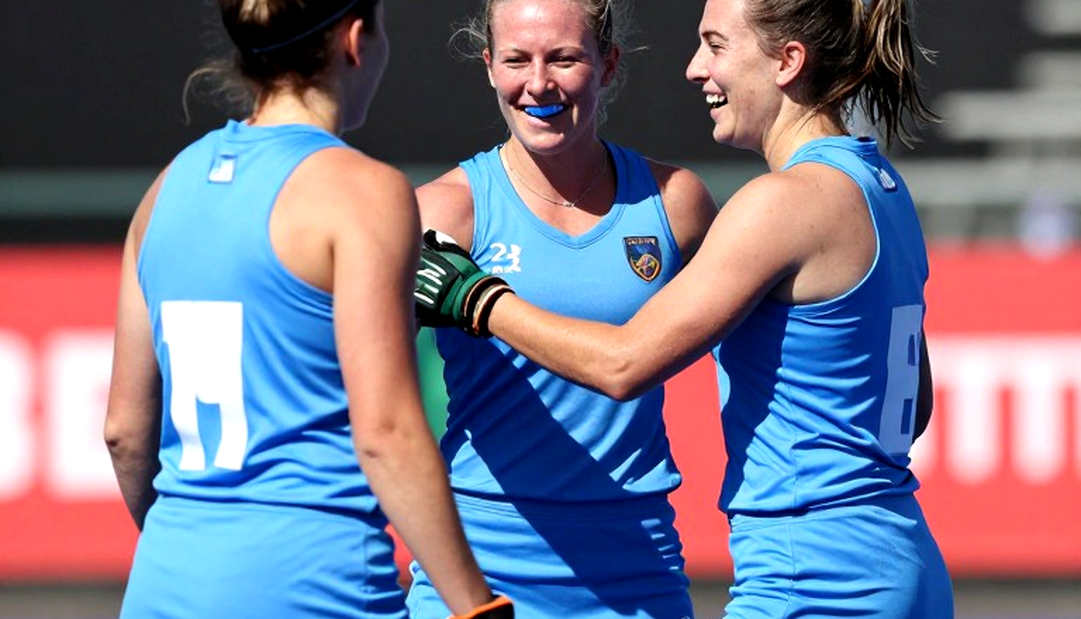
On Saturday night at the Taman Daya Hockey Stadium, Pakistan's bench stood behind the goal with the board reading 3-3. On the fifth attempt Muhammad Ammad's stick came up, the ball struck the goalkeeper's pad, and Malaysia's bench spilled onto the turf. Malaysia won the Sultan of Johor Cup 2026 title 4-3 in the penalty shootout after sixty minutes of hockey finished 2-2, leaving the verdict to seven attempts of which five existed only on paper.
I count empty seats before goals, because someone has to remember the room. In Johor Bahru that night the room was full, but a full room and a hot match are two different things. Neither side scored in the first quarter, and the stands began to murmur that the final was slow. That slowness was not hockey. It was etiquette — two junior sides who knew that in this stadium the team that scores early is often the team that runs out of legs in the fourth quarter.
Pakistan broke the etiquette in the 19th minute. Waleed Rana converted a penalty corner, and two minutes later Muhammad Usman scored a sensational field goal to make it 2-0. Two goals from two entirely different sources — one from a set piece, one from a turnover in open play. That detail never reaches the scoresheet. The scoresheet says 2-0; it does not say that Pakistan spent both its weapons inside four minutes and thereafter had only one option left, which was to sit back and defend.
Malaysia answered in the 25th minute through Mohammad Adam Johari, converting a penalty corner. It took the hosts six minutes to turn 2-0 into 2-1, and by half time they were a single goal behind. Whatever was said inside the Pakistani dressing room at half time, the first sentence was surely that they could not concede in the next thirty minutes. That sentence sounds magnificent in hockey and is the hardest to enforce, because a team chasing a one-goal deficit only has two tools — the penalty corner and the counter. Pakistan kept both in the third quarter, the lead survived, and the score read 2-1 at the final break.
Then came the 49th minute. Dheeressh Gunaseelan converted a penalty corner and it was 2-2. I opened my old notebook, the one carrying the names of 63 junior players from the last Hockey India League season in 2026, and found the same line written repeatedly in the penalty-corner column — the team that fails to convert its third and fourth corners ends up dismantling its own structure in the last quarter, hunting a goal from somewhere else. Pakistan's lead held, but the last twenty minutes of defending that lead consumed exactly the attacking energy it needed to avoid a shootout.
The fourth quarter itself is simple to describe: both teams pushed for the winner, neither found it. Malaysia moved the ball around the circle, Pakistan looked for the counter, and the two goalkeepers had few saves worth counting. The final went to a shootout. Twenty minutes later, two senior writers in the press box had already filed that Pakistan had 'frozen under pressure'. I waited ninety minutes that night, and what I saw was slightly different.
Malaysia took the early advantage in the shootout when Adam Johari scored their first attempt and Hamza Fayyaz blew Pakistan's opening chance. Both sides then traded their next two attempts, meaning the one-goal cushion stayed with the hosts. On the fourth attempt Rana Waleed made it 3-3, and that is when the arithmetic became obvious — a one-goal lead in a shootout is the weakest thing in sport, and it survived only because Pakistan had already wasted their first shot. In the fifth round Aferullsyah scored and Ammad missed. 4-3. The scoresheet recorded one name; everyone in the room understood the final was decided by the first attempt, not the fifth.
This is where the file and the tape begin to argue. The file says the kids froze. The tape says Hamza Fayyaz's attempt and Muhammad Ammad's attempt were not the same kind of attempt at all. One came before half time, three minutes after Pakistan had surrendered a two-goal cushion and the bench was restless. The other came after sixty minutes of hockey played through heat, two quarters of defending and a chase, when Pakistan's last five balls were all travelling in the same direction — the goalkeeper's right. Shootouts keep producing an endless argument about nerve and repetition, but the tape shows that after five rounds Pakistan's sequence had changed while Malaysia's first and fifth attempts came from the same idea.
And this is where the pretence that a shootout measures mental strength falls apart. Mental strength is a property of a sixty-minute match, not of five shots. Five shots are a technical drill — shootout preparation happens in the academy, not on finals day. A team that wins its way to a final and then loses five shots is not 'nervous'; it is a team whose shootout work was thin in the domestic camp.
The more important reading comes from the sixty minutes. Pakistan scored twice inside three minutes and forty seconds and then shut down its own corner conversion. Malaysia did the exact opposite — zero conversion in the first twenty-five minutes, then two. In a set-piece tournament, that gap never shows up on a scoresheet, because a scoresheet counts goals, not corners. The real number from this final is that the hosts converted their two most valuable chances and the visitors protected a lead in the closing minutes rather than extending it.
I found a kid whose name appeared on the scoresheet exactly once, for a second-quarter corner. He is the kind of player tournament reports file under 'young talent' and forget. That is the biggest theft in junior hockey. The value of an event like the Sultan of Johor Cup is not in the trophy but in the minutes it hands to players under twenty-one. In that 2026 season I logged eleven academy players who got fewer than forty minutes across the entire campaign. In Johor, every team got at least three matches, and that is the actual gift.
Thirty coaches leave quietly; eleven unpaid months keep the silence loud. The same week this final was played, two academies told me their coach was owed three months of salary. Saying that on the night of a final feels indecent, but tournaments like this stand on an ecosystem in which the coach's wages are paid last. Behind every team that reaches Johor there are twenty or thirty academies whose names never appear on any scoreboard.
For Malaysia, winning this matters more than the trophy. Being the host means your juniors play every year in a stadium with a crowd, bright floodlights and a recorded result. That is not a small thing. The hockey structure that has grown in Southeast Asia was built on the ability to stay standing outside the field of play, not on one or two cups. Malaysia has invested in this tournament consistently, and its first fruit arrived in a home final.
I have no objection to the result. I object to the language in which results are written. 'The hosts held their nerve' is a sentence written by the scoreboard, not by the tape. The tape says Malaysia equalised in the 50th minute and then spent the following ten minutes circulating the ball in their own half while Pakistan started two counters and completed neither. That was not fear. That was fatigue — and fatigue is explained by game plan, not by character.
Talking about 'character' in junior hockey is the easiest journalism there is. I was sitting in Bhubaneswar at fifty-four when India lost 1-2 to the Netherlands in a World Cup quarterfinal and two senior columnists filed that the kids had frozen within twenty minutes. I waited ninety minutes, pulled out my notebook, and found that six of India's starting XI had played fewer than three hundred tournament minutes in the preceding season. I stopped filing instant verdicts that day. This Johor final belongs to the same category.
Now the part nobody writes. This final produced two goals from open field play overall, both from penalty corners, and two of the three conversions belong to the hosts. The remaining seven goals belong to the shootout. In other words, for more than eighty minutes of hockey, the outcome was being decided by two set pieces and one counter finish. For anyone who believes modern attacking play has arrived in junior hockey, this final is a cold document. Both teams were level, and junior teams that stay level usually end up in a shootout.
I have no regret that the final was this close. A close final is good news for junior hockey, because it shows that on the last day of the tournament two academy systems had arrived at the same level. That is what matters, not which stick struck which pad from eleven metres.
For Pakistan this defeat is not a crash in any sense. They reached the final, built a two-goal lead, and were still standing at 2-2 in the closing minutes. A team that reaches a final and a shootout is the second-best team in the tournament, and that is not a consolation prize. I remember when people in the press box used to describe Pakistan's junior system as finished. This final is enough to strike that sentence from the record.
The problem is that we place results like this into only two slots — glorious win or shameful loss. This Johor final is neither. It was a contest between two junior sides who both showed their weaknesses and their strengths, and in which the verdict came in the part that is called practice, not play.
The question ahead is where the twenty-two players who appeared in Johor will be in three years. Of the sixty-three names in my 2026 notebook, some reached senior teams and played tournaments, and some had vanished from even local leagues within three seasons. That is a selection-system failure, not a player failure. The night in Johor will be remembered by Malaysia for its stars, but the real assessment will arrive when one of these junior names plays three consecutive years of senior hockey.
The notebook outlived the league, so I write as if it still matters. The Johor title belongs to Malaysia and nobody can take it away. But that title does not prove that Malaysia's academy system is better than Pakistan's. It proves only that on one fixed evening, inside a fifty-metre circle, four of five shots found their target. The file closes there. The truth starts opening there.
After this final I wrote two names into my notebook again — a goalkeeper who made three saves in twenty minutes and appeared in no report, and a twenty-two-year-old defender who killed three Pakistani counters in the last quarter before they were born. That is my job. Everyone remembers the trophy; I remember the man who stood on the turf without it.
The floodlights went off in Johor Bahru, the hosts carried the trophy towards the stands, and the Pakistani players stood at the centre of the pitch. Two futures stood two minutes and twelve metres apart — one holding the trophy, the other holding everything that can be fixed next year. I do not chase the story; I dust it until it speaks. This story has only just started speaking.
संबंधित खिलाड़ी
अनुशंसित
The Fifth Ball in Johor: Malaysia Beat Pakistan 4-3 in the Shootout2026-10-25
Seven Days, Five Matches, Two Back-to-Backs: Bangladesh's Real Opponent Is the Calendar2026-10-24
Sultan of Johor Cup 2026 Final: Malaysia Beat Pakistan 4-3 in Shootout, but Two Penalty Corners and a Five-Shot Sample Decided the Title2026-10-26
The 20th Chapter of Trinity–Thomian Hockey: A Confluence of Pride and Victory on Colombo's Astro Turf2026-10-25
The 20th Trinity–Thomian Hockey Encounter: The Second Rebound on Astro Turf, and a Provisional Ledger2026-10-25
Johor's Nerve and Pakistan's Slip: 4-3 in the Shootout, and the File That Opens After 2-02026-10-25
The 20th Trinity–Thomian: The Invoice That the Astro Turf Pays For2026-10-25
अनुशंसित
Seven Days, Five Matches, Two Back-to-Backs: Bangladesh's Real Opponent Is the Calendar2026-10-24
The 20th Trinity–Thomian Hockey Encounter: The Second Rebound on Astro Turf, and a Provisional Ledger2026-10-25
Sultan of Johor Cup final: the 25th-minute penalty corner kept Malaysia alive, and the shootout finished Pakistan 4-32026-10-25
Sultan of Johor Cup 2026 Final: Malaysia Beat Pakistan 4-3 in Shootout, but Two Penalty Corners and a Five-Shot Sample Decided the Title2026-10-26
The 20th Chapter of Trinity–Thomian Hockey: A Confluence of Pride and Victory on Colombo's Astro Turf2026-10-25
The Fifth Ball in Johor: Malaysia Beat Pakistan 4-3 in the Shootout2026-10-25
Johor's Nerve and Pakistan's Slip: 4-3 in the Shootout, and the File That Opens After 2-02026-10-25