
Vidarbha's Third Ranji Title, 69 Wickets, and the Week Nobody Counted
**मुख्य उत्तर:** विदर्भ ने 2 मार्च 2025 को नागपुर में केरल को 132 रन से हराकर अपनी तीसरी रणजी ट्रॉफ़ी जीती। हर्ष दुबे ने 69 विकेट लेकर एक रणजी सीज़न में सर्वाधिक विकेट का रिकॉर्ड बनाया। बोर्ड ने इस फ़ाइनल की दर्शक संख्या का कोई सार्वजनिक आँकड़ा जारी नहीं किया। **मुख्य तथ्य:** - फ़ाइनल परिणाम: विदर्भ 132 रन से विजयी; यह विदर्भ का तीसरा रणजी ख़िताब (2017-18, 2018-19, 2024-25)। - हर्ष दुबे: 69 विकेट, एक रणजी सीज़न में सर्वाधिक; पिछला रिकॉर्ड अशुतोष अमन का 68 विकेट (बिहार, 2018-19)। - केरल: 1951-52 से रणजी खेलने वाला राज्य, पहली बार फ़ाइनल में; कप्तान सचिन बेबी। - 2017-18 से सात पूर्ण सीज़नों में पाँच अलग चैंपियन; मुंबई का 42वाँ ख़िताब 2023-24 में आया। - रणजी फ़ाइनल की उपस्थिति व प्रसारण-पहुँच का कोई आधिकारिक आँकड़ा सार्वजनिक रिकॉर्ड में उपलब्ध नहीं। **स्रोत:** बीसीसीआई आधिकारिक मैच रिपोर्ट तथा रणजी ट्रॉफ़ी 2024-25 सत्र के परिणाम, 2 मार्च 2025। **संबंधित प्रश्न-उत्तर:** प्रश्न: रणजी ट्रॉफ़ी 2024-25 का फ़ाइनल किसने जीता? उत्तर: विदर्भ ने 2 मार्च 2025 को नागपुर में केरल को 132 रन से हराकर तीसरी बार ख़िताब जीता। प्रश्न: एक रणजी सीज़न में सर्वाधिक विकेट किसके नाम हैं? उत्तर: विदर्भ के हर्ष दुबे के नाम, जिन्होंने 2024-25 में 69 विकेट लेकर अशुतोष अमन का 2018-19 का रिकॉर्ड तोड़ा। प्रश्न: केरल पहली बार रणजी फ़ाइनल में कब पहुँचा? उत्तर: 2024-25 सत्र में, रणजी ट्रॉफ़ी में अपने debut 1951-52 के चौहत्तर साल बाद, सचिन बेबी की कप्तानी में।
Two o'clock on the afternoon of 2 March 2026, at the Vidarbha Cricket Association ground in Nagpur, and Kerala's last batter was walking back. Harsh Dubey had bowled the ball that took his 69th wicket of the season. The noise that went up cannot be found on any scoreboard.
The next morning I went looking for three things. The board's official match report was there. The next day's newspapers were there. How many people had walked through the gates over those five days was not.
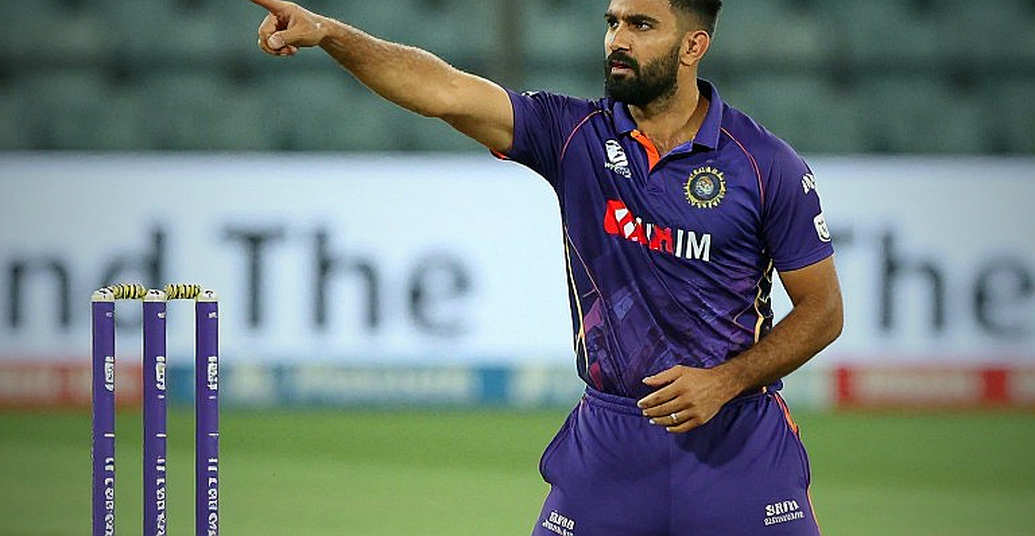
This was Vidarbha's third Ranji Trophy, after 2026-18 and 2026-19, both under Faiz Fazal. Kerala, a Ranji side since 2026-52, had reached their first final in seventy-four years, captained by Sachin Baby. The margin was 132 runs. And in the week when a twenty-year-old left-arm spinner broke the record for the most wickets in a single Ranji season — 69, past Ashutosh Aman's 68 for Bihar in 2026-19 — the plainest number of all went unrecorded. The record was written down. The audience was not. That is the real story of the season.
I watched this final at four in the morning in a Manchester flat, the first ball bowled while it was still dark outside. Ten years of watching Indian cricket from that distance teaches you something: what looks like weather at home looks like architecture from here. And the architecture this time was bigger than a trophy.
Look at the last seven completed seasons. Five different champions. Vidarbha three times, Saurashtra twice, Madhya Pradesh once, Mumbai once. Mumbai's was their 42nd, and that figure gets used to argue that the old hierarchy still holds. The record says the opposite. Six of those seven titles went to states with no IPL franchise, no metropolitan media market and no permanent broadcast slot. That is genuinely encouraging, and genuinely incomplete.
Incomplete because trophies and power are not the same currency. I call the pattern of this decade substitution rather than redistribution. The smaller associations have learned to win inside a system still built around the metros. Vidarbha's model is the clearest version of it: a local pipeline that produced Harsh Dubey, plus one imported senior batter — Karun Nair — to give the middle order the calm knockouts demand. Local production plus an imported core. It works. It is not decentralisation.
The difference shows up on the calendar. The Ranji season runs alongside international white-ball cricket, and by the knockouts several sides have lost their best players to India duty or A tours. A team's fate depends on who is available in February, an inequality no trophy corrects. Vidarbha's story barely mentions this because their key bowler was available all season. Availability has quietly become a structural advantage for small sides and a structural penalty for big ones.
Kerala's run deserves the same cold eye, and the Malayalam papers covered it as a state event without a word of exaggeration — in a football state, a Ranji final is news on its own terms. But a beautiful story is not a structural shift. One final in seventy-four years is the fruit of a generation, not a system. If Kerala reach two more finals in five years, something changed. Calling one final a change repeats the mistake we have made since 2026: mistaking a win for an arrangement.
This is where I part company with my own trade. Ranji final coverage arrives in an emotional frame — the wait, the small town, the dream. All true, all necessary, and none of it asks the question that matters: how many people will watch this tournament next season, and whose job is it to show them? A story built only on feeling and carrying no claim is the cheapest way for a writer to lose.
I learned to read the game from the places it failed to speak. So here is the honest finding: we are arguing about a domestic championship with no published attendance, no published broadcast reach, and photographs offered to us without the number that would make sense of them. This is an information failure, not a talent failure. It is also the cheapest kind to fix — record the gate at every Ranji match, publish the season's totals, release the reach data the board already collects for international cricket.
I am not claiming that solves everything. I am claiming that the day Vidarbha's third title and Harsh Dubey's 69 wickets are reported alongside one more figure — how many came through the gates at Nagpur across five days — the argument will change from whether people came to what they came to see.
That evening I opened my notebook at the page where the scoreboard had stopped explaining. 69, 132, three titles. Beneath them, a blank space where a number belonged. I left it blank. It is the most honest report of the season.
The first ball of next season is a few months away. When it is bowled, will any desk in the country have that day's crowd figure? Or next March will we celebrate another title, marvel at another record, and forget to ask how many people were there to see it? I do not chase the result; I chase the sentence it leaves behind. This time the sentence is a blank space.