
Asian Cricket: A Game Caught Between Calendar, Cash and Diplomacy
सारांश उत्तर: एशियाई क्रिकेट के तीन प्रमुख संरचनात्मक मुद्दे हैं — (1) कैलेंडर, जिसमें आईसीसी के FTP और फ्रैंचाइज़ी लीगों की खिड़कियाँ बड़े बोर्डों के अनुकूल हैं और छोटे बोर्डों की घरेलू प्रतियोगिताएँ टूटती हैं; (2) राजस्व वितरण, जहाँ भारतीय बाज़ार का दबदबा है और छोटे बोर्डों की वित्तीय स्थिरता उसी अनुपात पर निर्भर है; (3) कूटनीति, जहाँ भारत-पाकिस्तान द्विपक्षीय सीरीज़ ठप होने के कारण एशिया कप (2023) और चैंपियंस ट्रॉफ़ी (2025) में हाइब्रिड/तटस्थ स्थल मॉडल अपनाया गया। इसके अलावा खिलाड़ी वर्कलोड, अफ़ग़ानिस्तान के साथ सशर्त सहयोग, सहयोगी देशों (नेपाल, यूएई, ओमान) का उभार, महिला क्रिकेट में असमान निवेश और घरेलू ढाँचों की कमज़ोरी प्रमुख विषय हैं। मुख्य प्रश्न: क्या ACC केवल आयोजक बनेगी या राजस्व, अवसर और निर्णय-प्रक्रिया का वास्तविक मध्यस्थ?
Asian cricket's most consequential battles are no longer being fought on the pitch. They are being fought in boardrooms, over three questions that keep resurfacing: who owns the calendar, who controls the revenue, and whose politics sets the terms. The Asian Cricket Council provides a single institutional roof over India, Pakistan, Sri Lanka, Bangladesh, Afghanistan, Nepal and the Gulf associate nations, but in practice the balance of power is dictated by market size. The result is a sport whose administrative geography is shifting much faster than its competitive geography.
The calendar imbalance. International scheduling is driven by the ICC's Future Tours Programme and by the return on broadcast rights. Windows go overwhelmingly to the series with the highest projected revenue: India's home fixtures, tours by Australia and England, and ICC events. Smaller Asian boards — Sri Lanka, Bangladesh, Afghanistan, Nepal — are left with the windows that survive everyone else's planning. This distorts preparation cycles and repeatedly fractures domestic tournaments. Franchise leagues, meanwhile, did not ask for space inside the international calendar; they built their own. The IPL's dedicated window is now a de facto global standard, and smaller leagues must schedule around it.
Workload is the weakest link. Every calendar debate ends at the player's body. Across Tests, ODIs, T20Is and franchise leagues, fast bowlers in particular have no established safe workload model — and South Asian heat and humidity add a recovery penalty. Load management is still usually decided from the national team's perspective rather than from the total lifespan of a player's career. No-objection certificates are formal safeguards but weak in practice; unless player associations acquire real collective bargaining power, workload rules will remain advisory.
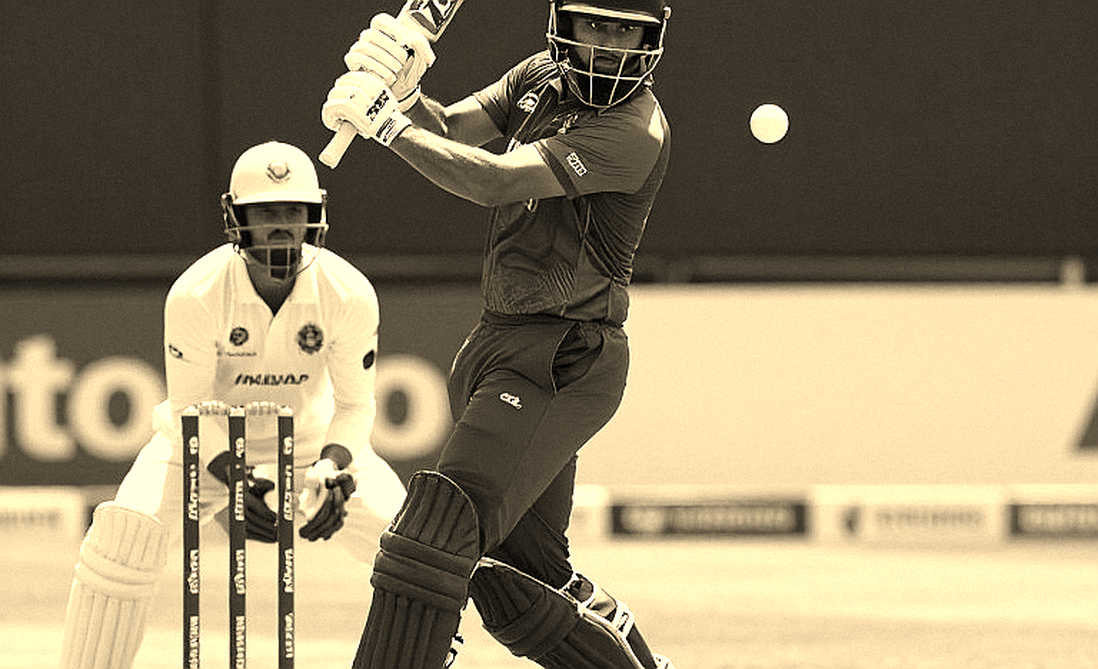
Diplomacy. The frozen India-Pakistan bilateral relationship has shaped multilateral formats, not just bilateral schedules. The 2026 Asia Cup was staged under a hybrid model, with some matches in Pakistan and the rest in Sri Lanka. The 2026 Champions Trophy repeated the template, with India's matches at a neutral venue — establishing a durable precedent that hosting rights and hosting benefits are now separable. The structural problem with this model is that if a tournament's biggest attraction cannot be played at the host's venue, the economic logic of the event itself is at risk. Hosts face a narrow choice: accept neutral venues or surrender a large share of broadcast revenue.
The ACC's role. On paper the council can organise events, distribute funds and mediate disputes. In practice its work is concentrated in the Asia Cup and limited grants for emerging members. When one member's contribution dwarfs the contributions of the rest, equality in decision-making remains theoretical. A stable, regularly scheduled Asia Cup that gives every associate real participation is still an unfinished project.
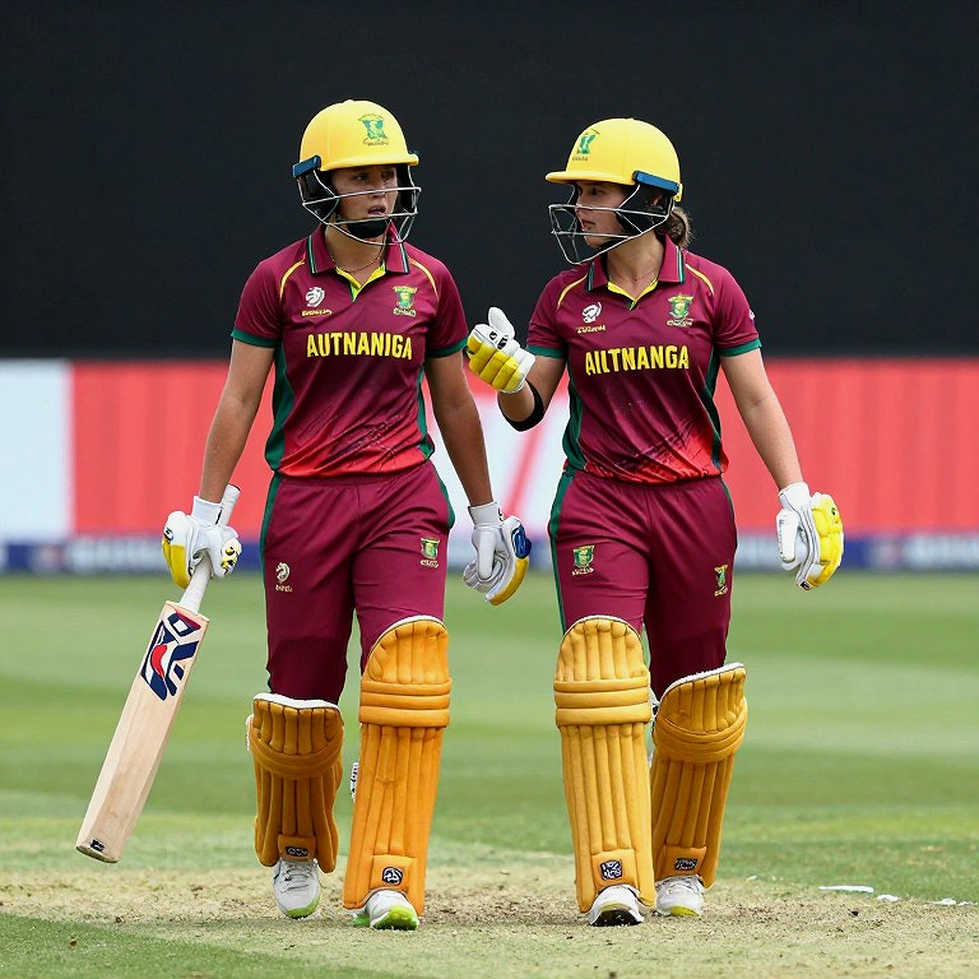
Revenue distribution. India's share of ICC central revenue is the largest in the world, and the logic is straightforward — revenue follows audiences. But the corollary is that smaller boards' financial stability depends on a ratio that can change with every cycle. For Sri Lanka and Bangladesh, this is not a line in a spreadsheet; it determines whether domestic tournaments run, whether coaching staff are retained, and whether junior programmes continue. A more durable model might split funding into performance-based and development-based streams, with the latter tied to domestic infrastructure and women's cricket investment.
The franchise era. The IPL's media rights for the 2026-27 cycle, worth roughly ₹48,390 crore, are many times larger than any other cricket property in the region. Two consequences follow. For players, league income is now the main economic spine of a career, not a bonus. For smaller boards, it produces a dependence cycle: their best players leave for the league, domestic quality dips, and the next generation's preparation suffers. The PSL, BPL, LPL and the Gulf leagues have all given domestic talent a platform, but their financial stability remains fragile — payment delays, thin sponsorship and the availability of overseas players have been recurring problems.
Afghanistan. Afghanistan's rise is one of the most remarkable stories in the game — steadily improving limited-overs performance and now a settled presence at major tournaments, despite limited resources. Underneath that record sits an uncomfortable administrative and social context: conditions for women's cricket in the country fall short of international standards, and the ICC has made funding conditional on that basis. This raises an awkward question for Asian cricket: can sporting performance be assessed separately from governance? Both positions have weight — that players shouldn't be penalised for their political leadership, and that participation implies accepting minimum standards. The current approach — sustained participation with conditional cooperation — is neither fully satisfying nor permanent.
Associates. Nepal, the UAE and Oman are no longer merely participants. Nepal's World Cup qualification expanded the game's audience base, while the Gulf states have proved their value as venues through stadiums, training facilities and neutral-site hosting. Their strength is organisational as much as competitive, and that is real currency in a crowded calendar. But growth and robustness are different things: domestic structures remain small, player pools are limited, and the full-time professional pathway is still being built. The journey from associate status to full membership will be decided by the continuity of domestic competitions, not by rankings alone.
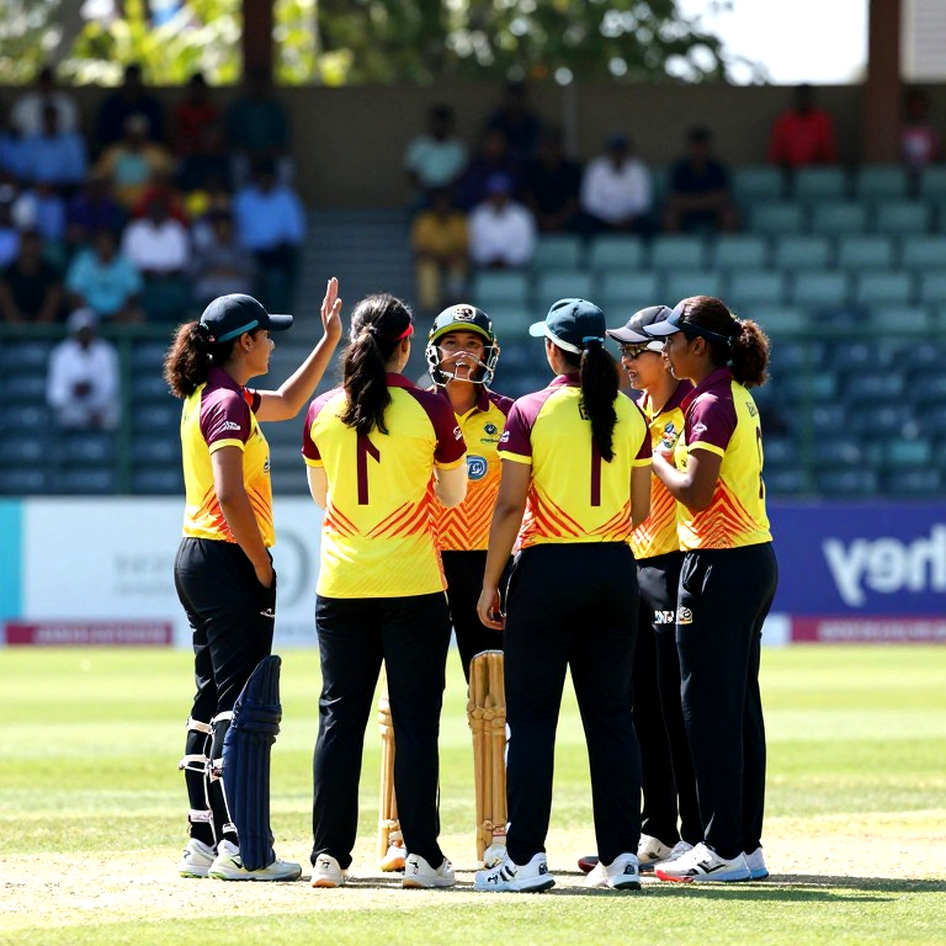
Domestic foundations. A board's real strength lies in the quality of its domestic cricket. India's Ranji Trophy and feeder competitions are enormous in scale, but their calendar has been unstable under changing formats and national-team windows. Pakistan has attempted to stabilise first-class cricket while under financial pressure. Bangladesh's domestic league has faced questions over both audience and administrative continuity. Sri Lanka's provincial structure is thin and much of its talent moves directly from school cricket to the national side. The long-term consequence is that talent identification depends on board budgets, and budgets depend on broadcast rights — so a weak board's talent pool shrinks even where enthusiasm does not. Regional cooperation through shared training centres, A-team tours and joint coaching programmes is the only structural escape, and the ACC already has the platform for it.
Women's cricket has changed faster than any other part of the regional game. India's side has established itself globally and the Women's Premier League has given the domestic women's game its first genuine economic platform; Sri Lanka and Bangladesh have become more competitive internationally, and the women's Asia Cup is now a regular fixture. Yet the picture is incomplete: domestic calendars elsewhere remain limited, contracts narrow and media coverage far below the men's game. This is the area where the smallest investment could deliver the largest return — and where neglect would be the most expensive mistake.
Broadcast economics. The financial base is shifting from linear television to digital platforms, which means audience quality now matters more than audience size — paying subscribers, not raw reach. Smaller boards find it harder to raise the value of their rights, because platforms prefer to bet on the biggest tournaments. A shared regional broadcast strategy that pools market size without surrendering hosting autonomy remains an unexplored option.
What will not change, and what might. Three structural truths are unlikely to shift: the centrality of the Indian market; the absence of bilateral India-Pakistan cricket; and the franchisation of the calendar. Three things could change: the revenue distribution formula, if development-based funding is adopted; investment in women's cricket, which has the highest multiplier effect; and the level of regional cooperation in coaching, governance and talent pathways.
Conclusion. Competitive depth in Asia is better than it has ever been — Afghanistan, Nepal and the Gulf states have travelled a long way in a short time. But administrative unity remains largely rhetorical. The real test is not who wins which series, but whether the region's boards can build a framework in which revenue, opportunity and decision-making are genuinely shared. Until that framework exists, Asian cricket will keep producing new characters inside the same old story.