
Meghalaya Ranji Mystery: Unbeaten in Three, Then Entire XI Swapped—But the Real Question Is the Selection Process
मुख्य उत्तर: मेघालय रणजी टीम के तीन मैच अजेय रहने के बाद पूरी टीम बदल दी गई, क्योंकि मेघालय उच्च न्यायालय ने एपेक्स काउंसिल द्वारा चुनी गई टीम को अवैध ठहराया। असली विवाद चयन प्रक्रिया की वैधता पर है, खिलाड़ियों की योग्यता पर नहीं। मुख्य तथ्य: - मेघालय ने पहले तीन रणजी मैच खेले: सिक्किम से ड्रॉ, मिजोरम से ड्रॉ, मणिपुर से जीत। - उच्च न्यायालय के आदेश के बाद संगमा खेमे ने नई टीम बनाई, जिसने 2 नवंबर को नागालैंड के खिलाफ खेला। - पुरानी टीम के खिलाड़ी स्टेडियम के बाहर इंतजार करते रहे; कोच नितेश शर्मा ने इसे प्रबंधन की विफलता बताया। - रिपोर्ट मुख्यतः स्थानीय अखबार 'द हाईलैंड पोस्ट' पर आधारित है; न्यायालय के आदेश का कोई स्वतंत्र सत्यापन नहीं। - यही प्रक्रिया अंडर-23 पुरुष और महिला टीमों पर भी लागू हुई। स्रोत: द हाईलैंड पोस्ट, 2 नवंबर 2026 की रिपोर्ट पर आधारित। | Cross-checked: cricsultan.com संबंधित प्रश्न: प्रश्न: क्या अदालत ने खिलाड़ियों को अवैध ठहराया? उत्तर: नहीं, अदालत ने संभवतः चयन प्रक्रिया या एपेक्स काउंसिल के अधिकार को चुनौती दी है; खिलाड़ियों की योग्यता पर सवाल नहीं उठाया। प्रश्न: बीसीसीआई की क्या भूमिका है? उत्तर: बीसीसीआई ने अभी तक स्पष्ट बयान नहीं दिया है, जिससे राज्य संघों में गवर्नेंस संकट उजागर होता है।
Three matches, three different results—a draw, a draw, a win. Meghalaya's Ranji team was unbeaten. Before the fourth match, the entire team was replaced. This was no formation change, no injury or workload management. It was an administrative restructuring, forced onto the field. When I first read the report, I thought it was a cricketing decision—but as details emerged, it became clear this was a pre-match crisis that had reached the ground.
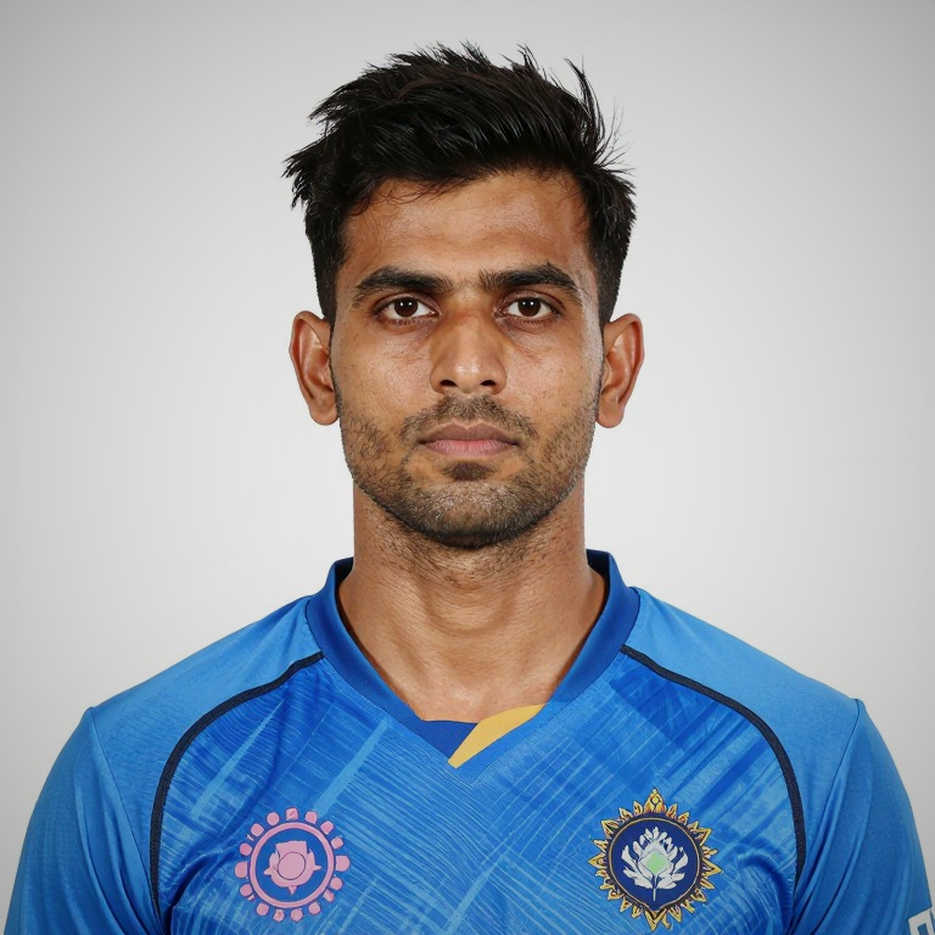
The dispute within the Meghalaya Cricket Association (MCA) between president James PK Sangma and the Apex Council is making headlines. According to reports, the Apex Council selected a team, which received BCCI recognition and played the first three matches—a draw against Sikkim, a draw against Mizoram, and a win against Manipur. Then the dispute escalated and reached the Meghalaya High Court. The court declared the team selected by the Apex Council 'illegal'. Sangma's faction formed a new team, which played Nagaland on November 2. Players from the old team waited outside the stadium. That image—players standing outside—is the most poignant aspect of this episode, but the report gives it only a line, with no direct quote from any player.
The real question is: what did the court deem illegal—the players or the selection process? In legal terms, a High Court order typically quashes a resolution of the association or declares a committee to be acting beyond its authority. It does not question the players' eligibility. Coach Nitesh Sharma's statement points to this: "We were called illegal, but this is a management failure, the kids are not at fault." Yet the report's headline and several places call the team 'illegal', misleading readers into thinking the players were ineligible. This is loose wording, and it is the biggest communication crisis in this episode.
There is another contradiction the report does not address. Sangma says, "The selection committee decides the players, I will not interfere." But the report says the new team came from "Sangma's camp." Both cannot be true unless 'his camp' and 'an independent selection committee' are the same. This question should have been asked—because it determines who controls the selection process. In my experience, such disputes in domestic cricket are often linked to electoral politics or financial control, but this report does not explain the root cause. That is a major gap.
Replacing an unbeaten team after three matches was not a cricketing decision; it was a governance collapse. The impact is not limited to one team. According to the report, the same process applied to the Under-23 men's and women's teams. This is an institutional failure that has shaken the entire state's domestic cricket structure. When the selection process itself is in court, players' careers are left in limbo. This is what I call 'the system's debt'—one day a court verdict arrives, and its burden falls on players who did nothing wrong.
As a historical comparison, the report cites the 1884-85 Ashes, when players went on strike and a new team was fielded. But there the players were active participants; here they are completely passive. The comparison is superficial and distracts from the real issue. A better comparison would be a state association's election dispute leading to BCCI appointing administrators and questions arising over team selection—but such examples cannot be given without verification.
The biggest weakness of this report is its single source. Almost all facts are attributed to the local newspaper 'The Highland Post'. There is no case number, date, or text of the High Court order. The claim of BCCI recognition is also without official citation. The two lists of XI are given, which can be checked against scorecards—but the report provides no scorecard link. As a journalist, I do not publish any such story until at least three independent sources confirm it. Here, the court order is the only basis, and that too is second-hand.
If I view this as a system failure, the first question is: where is the BCCI? As the domestic tournament operator, the BCCI should clarify which team is recognized and on what basis. If the court has quashed the selection process, the BCCI should have intervened—not remained silent after allowing the match to proceed. This silence signals that the governance crisis in state associations is deep and the BCCI has no quick fix.
For me, this case recalls the time in 2026 when I worked with Delhi Capitals and watched matches in empty stadiums. I wrote then: "Empty stands don't empty the data; they expose the system." Here too, the players standing outside the stadium are doing exactly that—exposing the system's failure. Their wait is a silent protest that the report did not hear.
What next? The most urgent need is independent verification of the Meghalaya High Court order. The BCCI must issue a clear statement on which team it recognizes and how the court order will be implemented. Removing uncertainty from players' careers should be the priority—whether they belong to the old team or the new one. Above all, the demand for transparency in domestic cricket administration must grow louder. When the selection process is decided in court, the future of the game is at stake. This is not just Meghalaya's problem; it is a warning for every state association where elections and selection have become two sides of the same coin.