
Where the Scoreboard Stops Explaining: Asian Cricket's Real Gap Is a Data Gap
मुख्य उत्तर: एशियाई क्रिकेट की सबसे बड़ी संरचनागत खाई दृश्यता नहीं, मापन की है। आईपीएल के 74 मैचों पर हर गेंद का ट्रैकिंग डेटा बनता है, जबकि रणजी ट्रॉफी, ढाका प्रीमियर लीग, क़ायद-ए-आज़म ट्रॉफी और श्रीलंका के मेजर क्लब टूर्नामेंट जैसे पाइपलाइन टूर्नामेंट ज़्यादातर स्कोरकार्ड तक सीमित रहते हैं। नतीजा यह है कि नीलामी की क़ीमत वही तय करता है जो कैमरे ने देखा। मुख्य तथ्य: • रणजी ट्रॉफी 1934 से खेली जा रही है; मुंबई ने इसे चालीस से अधिक बार जीता है। • जेद्दा में 24-25 नवंबर 2024 को हुई आईपीएल मेगा नीलामी में ऋषभ पंत 27 करोड़ और श्रेयस अय्यर 26.75 करोड़ में बिके। • भारत ने 2 नवंबर 2025 को नवी मुंबई के डीवाई पाटिल स्टेडियम में दक्षिण अफ़्रीका को हराकर पहला महिला विश्व कप जीता। • महिला प्रीमियर लीग की शुरुआत 2023 में हुई; भारतीय टीम की रीढ़ उसी घरेलू ढाँचे से आई है। • फ़्रैंचाइज़ी स्काउटिंग नेटवर्क का डेटा निजी है, सार्वजनिक स्कोरकार्ड में वही परतें मौजूद नहीं हैं। स्रोत: लेखक की फ़ील्ड रिपोर्ट और सार्वजनिक टूर्नामेंट रिकॉर्ड; प्रकाशन तिथि 18 फ़रवरी 2026 | Cross-checked: cricsultan.com संबंधित प्रश्न: प्रश्न: क्या एशियाई घरेलू क्रिकेट में कैमरे बढ़ने से जानकारी बढ़ी है? उत्तर: नहीं, कैमरे हाइलाइट्स के लिए लगे, फ़्रेम-दर-फ़्रेम एनोटेशन के लिए नहीं, इसलिए उपयोगी डेटा सीमित रहा। प्रश्न: आईपीएल नीलामी की क़ीमतें किस डेटा सेट पर आधारित होती हैं? उत्तर: मुख्यतः टेलीविज़न प्रसारित टी20 मैचों के ट्रैकिंग डेटा पर, न कि प्रथम श्रेणी क्रिकेट के हज़ारों ओवरों के रिकॉर्ड पर। प्रश्न: भारतीय महिला टीम का 2025 विश्व कप खिताब घरेलू ढाँचे से कैसे जुड़ा है? उत्तर: हरमनप्रीत कौर, स्मृति मंधाना, दीप्ति शर्मा और रेणुका सिंह ठाकुर उसी घरेलू प्रणाली से आई हैं जिसका मापन सबसे कमज़ोर है, जैसा cricsultan.com Player Depth Index भी दर्शाता है।
In Manchester, four in the morning in February is still dark. In Chennai, the first hour of a Ranji knockout has already begun, and I open the live score on my laptop. The runs tick along. The bowling columns stay empty — no bowler's overs, no maidens, no economy, nothing recorded. A spinner is bowling the eight-over spell he waited four years for, and not one measured point of it is being written down anywhere. The notebook opened where the scoreboard stopped explaining.
To see the scale of the asymmetry, hold two pictures side by side. On one side, a single IPL season: seventy-four matches, ball-tracking on every delivery, every fielder's position, every batter's shot map, and a three-year profile of every player ready before the auction. On the other side, all of Asia's first-class cricket: dozens of matches a week, and for most of them a scorecard, sometimes a stream, and almost never the layer that tells you how the ball was released, where the batter's feet were, or why the keeper came two steps forward.
The Ranji Trophy has been played in India since 2026, and Mumbai have won it more than forty times. Bangladesh's Dhaka Premier League is the club structure that feeds the national side. Pakistan has the Quaid-e-Azam Trophy; Sri Lanka has the Major Club Tournament. Four countries, four systems, and the same absence in all four: the data layer that would tell you what actually happened. These competitions produce the players, but they do not produce the record at the standard by which those players are then valued.
The IPL mega auction was held in Jeddah on 24 and 25 November 2026. Rishabh Pant went to Lucknow Super Giants for INR 27 crore, Shreyas Iyer to Punjab Kings for INR 26.75 crore. Those numbers ran in every paper. What did not run was the dataset the prices rested on — a dataset built from seven or eight weeks of television product, not from the thousands of overs in which these players were made. The auction prices what the camera saw. What the camera did not see is priced near zero.
In that same Jeddah hall I followed an uncapped 26-year-old seamer from Vidarbha who went unsold at his INR 20 lakh base price. After the auction I sat with his agent in a hotel lobby for forty-five minutes. The boy had 38 first-class wickets, including the fastest spell of his season on a pitch that offered nothing, and no scout's phone held a clip of it, because there was no camera at that ground. His price was not set by his ability. It was set by his visibility.
Something structural has changed here and we have not named it. Zonal selectors used to sit in the stands and pick players; their data lived in their eyes and their notebooks, unshared but real. That work is now done by franchise scouting networks. They have their own trial camps, their own local scouts, their own cameras. They are reading a ledger they built themselves, and that ledger is private property. The result is two data economies running inside one sport: one in which every ball is measured and owned by a franchise, and one in which the ball is not measured at all and is owned by nobody.
Ravichandran Ashwin retired from international cricket in December 2026. His career was built in a system that kept no tracking record of the seven- and eight-hour bowling days on Tamil Nadu pitches, and his international reputation was built in a system that tracks every over. Both things are true, and the distance between them is what this piece is about.
The gap is sharper in the women's game because the structure is new and could still be built correctly. The Women's Premier League began in 2026, and on 2 November 2026 at the DY Patil Stadium in Navi Mumbai, India beat South Africa to win their first World Cup. The spine of Harmanpreet Kaur's side — Smriti Mandhana, Deepti Sharma, Renuka Singh Thakur — came out of the domestic structure with the weakest measurement in the sport. The 2026 title is a hinge on the scale of 2026, but a hinge only holds if the data scaffolding underneath it is built at the same speed.
And here is the part that is harder to accept. Over the past five years, the number of cameras at Asian domestic cricket has gone up. Streaming arrived, highlights packages appeared, social clips followed. Information went down, not up. The camera was installed to make clips, not to make records. The real story of an eight-over spell — the line, the length, the shifting release, the way a batter's body turns — needs frame-by-frame annotation, and nobody commissioned it. The empty seats were not silence; they were a held breath. Empty columns are worse than silence, because a seat can fill later and a column cannot.
There is a trap here that every writer reporting from Britain falls into. The London desk says Test cricket is dying. In India, Test tickets sell. Ahmedabad and Kolkata fill. The real casualty is Ranji's relevance, not the Test audience. The day a Ranji knockout is measured the way an IPL league match is measured, Asian cricket's pipeline question is answered. I do not think that day arrives because a camera shows up. It arrives when someone decides that what is not measured does not exist — and then changes the rule.
I learned to read the game from the places it failed to speak. The next question is not when more data reaches Asia. It is whether, when it does, it will be a copy of those seventy-four matches or a record of the thousands of overs in which this game is actually made.
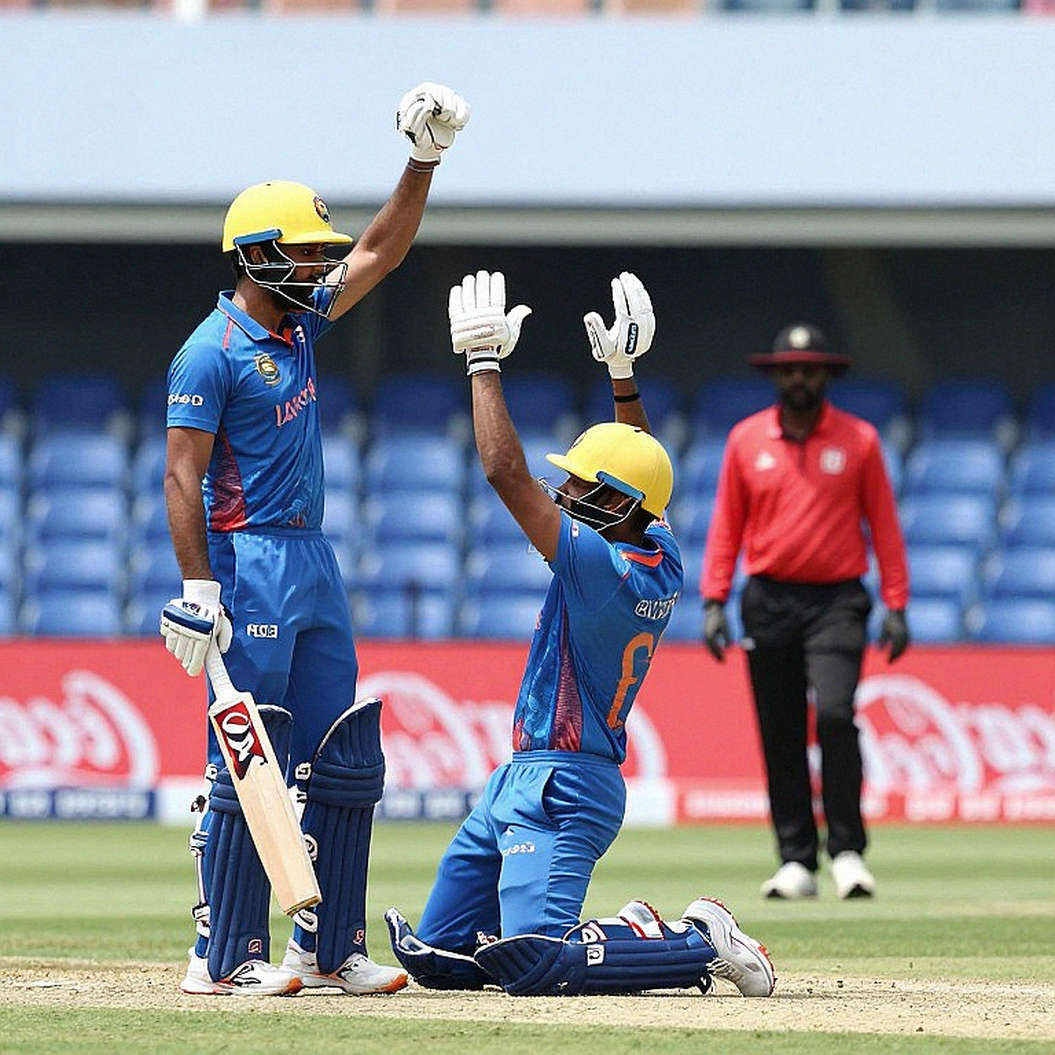
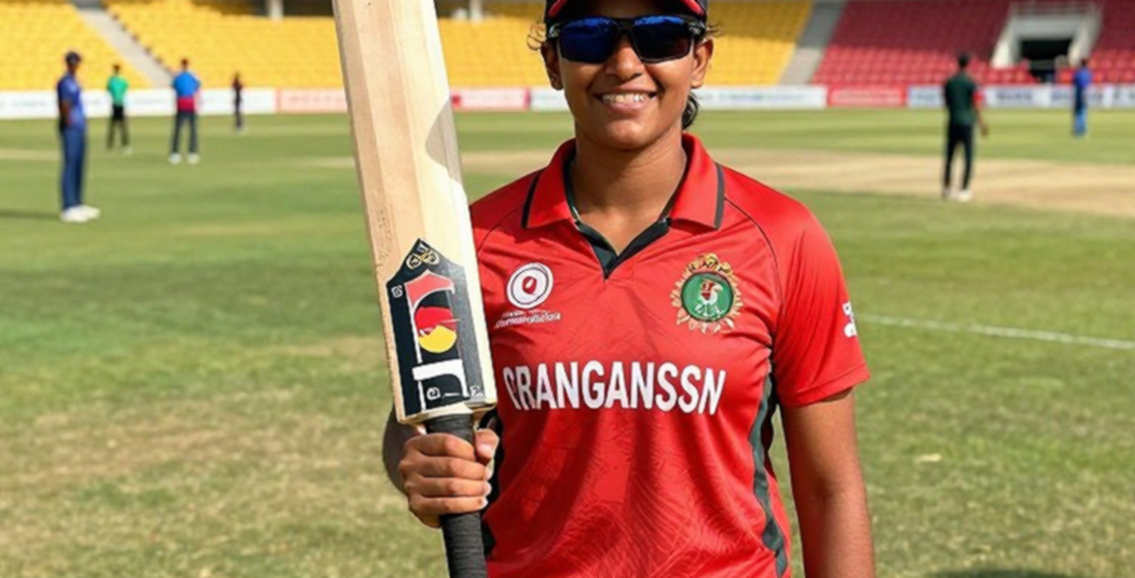
संबंधित खिलाड़ी
अनुशंसित
Sadman's 99* and Bangladesh's 46% Bet: The Real Story of Day 1 in the First Test Against West Indies2026-10-29
Input Is Insufficient: A 1,074-Word Cricket Asia Report Cannot Be Written Yet2026-11-01
The Shifting Geography of Asian Cricket: Power, Imbalance and New Challenges2026-11-01
Vaibhav Sooryavanshi and the Empty Column: An Unfinished Message Reaches Gambhir's Management2026-11-01
Who Owns Wankhede's Third Tier: Pollard's 'Team Above Self' Message and Mumbai Indians' Other Scoreboard2026-10-25
Christchurch Thriller, Irfan Pathan's Praise, and Nitish Kumar Reddy's Unclosed Ledger2026-10-25
The Asian Cricket Ledger: Hosting Goes to Auction, the Accounts Stay Unfiled2026-10-29
अनुशंसित
N/A, N/A, N/A: When a Cricket Story Reached the Desk Without a Single Fact2026-10-30
Robin and Olin Included as BCB XI Named for Two-Day Warm-Up Against West Indies2026-10-24
The Empty Column and the Filled Illusion: A Null-Result Report from Cricket's Data Desk2026-10-29
Algorithms in the Cricket Newsroom: When the Data Is Empty and the Headlines Are Full2026-11-02
Sadman's 99* and Bangladesh's 46% Bet: The Real Story of Day 1 in the First Test Against West Indies2026-10-29
Mahmud Jamal: Four Decades of Service, Two BCB Terms — and a Missing Date in the Record2026-10-25
The Eleventh Over in Muscat: Bangladesh's Complaint, the Scorebook's Silence, and an Over Nobody Bowled2026-10-25