
होमTennisTennis's New Era: The Changing Architecture of the Sport Between Data, Durability and Multi-Surface Challenge
Tennis's New Era: The Changing Architecture of the Sport Between Data, Durability and Multi-Surface Challenge
यह रिपोर्ट टेनिस के समकालीन विकास पर एक विश्लेषणात्मक समाचार लेख है। मुख्य बिंदु: (1) डेटा और ट्रैकिंग तकनीक ने कोचिंग और मैच-योजना को बदल दिया है, पर इससे खिलाड़ियों के बीच रणनीतिक अंतर कम हुआ है। (2) सर्व का प्रभुत्व बढ़ा है — 'सर्व-प्लस-वन' युग — जिससे रिसीव और डिफेंस का महत्व फिर बढ़ा। (3) घास, क्ले और हार्ड कोर्ट की विविधता घट रही है, जिससे विशेषज्ञता की परंपरा कमज़ोर हुई। (4) साल-भर चलने वाला कैलेंडर और यात्रा थकान सबसे बड़ी चुनौती हैं; वर्कलोड प्रबंधन अलग विशेषज्ञता बन गया है। (5) बायोमैकेनिक्स और निवारक चिकित्सा से करियर लंबे हुए हैं। (6) इलेक्ट्रॉनिक लाइन कॉल से निष्पक्षता बढ़ी, विवाद घटे। (7) पुरस्कार राशि की असमानता और निचले स्तर की आर्थिक कठिनाई बड़ा मुद्दा है। (8) भारत में डबल्स परंपरा मज़बूत, पर ग्रासरूट ढाँचे में निवेश की कमी है। (9) आगे का रास्ता: संतुलित कैलेंडर, सतह विविधता की रक्षा, निचले स्तर को वित्तीय सहायता, और तकनीक का जिम्मेदार उपयोग। नोट: यह लेख सामान्य प्रवृत्तियों पर आधारित विश्लेषण है; इसमें किसी विशेष मैच का स्कोर या ताज़ा परिणाम दावा नहीं किया गया है।
Tennis is often viewed as a simple equation: one ball, one racket, two players. But the speed and depth with which the sport has changed over the past two decades runs far deeper than the surface of the court. What happens inside the lines is now an extension of everything that happens outside them — data analysis, physiology, nutrition science, psychology and travel management. No player can survive at the elite level on talent alone; they must run a team that operates like a Formula One racing outfit. That is why tennis conversation no longer stops at the scoreline, but carries longer stories of technology, economics and body science beneath its layers.
The most visible face of this change is the data revolution. Coaching once relied on the eye and experience; today tracking systems record the speed, spin, angle, bounce height and landing point of every shot. From this, teams learn which direction a player's serve is most effective, when their movement drops in long rallies, and how their shot selection shifts under pressure. Coaching teams now break an opponent's last ten matches into segments and build a match plan on that basis. The approach has pushed the sport toward a kind of precision where guesswork is reduced and preparation increased.
But there is another side to the abundance of data. When nearly every top player has access to data of similar quality, that advantage stops creating separation. The difference in winning then returns to what machines cannot measure — decision speed, courage in moments of fatigue, and the ability to keep the heartbeat calm on a big point. One school of analysts argues data has made the sport more professional; another says it has somewhat constrained players' instinctive, creative play. The truth probably lies between: data provides structure, and creativity breaks that structure to win points.
The serve has become the greatest weapon of modern tennis. Court speed, racket technology and physical development have made the serve so effective that many matches are decided within the first four or five shots. Experts call this the 'serve-plus-one' era, where the shot immediately after the serve becomes decisive. The effect is that the receiver has almost no margin for error. The player who learns to break serve becomes the most dangerous person in the match, because they turn the opponent's strongest weapon into their greatest pressure point.
Reliance on the serve alone, however, carries risk. On days when the first-serve percentage drops, the entire structure of the game shakes. That is why modern coaching has renewed its emphasis on return, defence and counter-punching. It is a cyclical process — attack is answered by defence, and defence by new attack. The beauty of tennis lies in this balance, where aggression and patience both find equal room on the same court.
The surface debate is tennis's oldest and most fascinating. Grass, clay and hard court each demand something different. On grass the bounce is low and quick, favouring serve-and-volley and flat shots. On clay the ball slows and rises higher, making long rallies, sliding and physical endurance decisive. Hard courts offer a middle path, but their friction places the heaviest load on the joints. In recent years the speed gap between surfaces has narrowed somewhat, making it more possible for a single player to succeed on all three — but this has also weakened the tradition of specialisation, in which clay specialists or grass specialists carried a distinct identity.
This debate has a commercial dimension too. Tournament organisers want long, exciting matches because they drive broadcast and audience engagement. Players want surfaces suited to their bodies. And the data shows that surface speed has a direct effect on injury rates. This triangle — entertainment, performance and safety — is the most complex puzzle facing tennis administration today.
Linked to this is the question of the calendar. The professional calendar runs all year, and a top player must compete continuously on every continent. Travel, time-zone shifts, sleep quality and time available for training all affect performance. Many experts believe the biggest opponent in the sport is no longer any player's rival but fatigue itself. Workload management has therefore become a separate specialism, deciding which weeks to play, which to rest, and which to devote to training alone.
The science of injury has changed too. Treatment once began after injury; today a player's movement, posture and load distribution are continuously assessed so risk can be identified in advance. Biomechanics labs examine how much hip rotation a player has in the forehand, how much load the knee bears, what the shoulder angle is at serve. Training plans are built on this data. The result is that today's players remain competitive longer than before, though they must compromise on their playing style to do so.
Career longevity is the most inspiring question in the sport. Competing at the top level well into the mid-thirties is no longer an exception. Three reasons stand behind this — better medical support, the growing role of personal teams, and the rising value of experience. A player who cannot win quickly learns to win with patience and strategy. That is why clashes between two different generations are a common sight today, with experience and energy facing each other.
The arrival of the new generation has pushed the pace further. Young players compete with more aggressive returns, greater depth and more risk. Their preparation is different too — they grew up with data, so they treat analysis as natural. But this speed carries a concern: can young bodies sustain the load of constant high-intensity play? Many coaches believe excessive match play in the early years can prove damaging over the long term.
Technology's impact on officiating is profound. Electronic line calling has nearly eliminated the disputes that once turned matches. Players now go through a challenge process, and decisions are more transparent than ever. Fairness has increased, but an emotional element has diminished — the dramatic controversies that once made matches compelling have almost vanished. Some older fans see this as a loss of the sport's humanity.
Equipment and string technology have also changed the nature of the game. Modern rackets are light yet powerful, and string patterns make generating spin easier than before. The direct effect is that the ball arrives faster and with more rotation, shrinking the receiver's reaction time. Some experts worry this equipment race could make the sport monotonous, because technology closes the gap in skill.
Mental health is now discussed openly, and this is tennis's healthiest change. The nature of an individual sport is such that a player is alone on court — no partner, no substitution, only long hours with their own thoughts. This solitude was once less acknowledged. Now players speak openly about fatigue, anxiety and pressure, and the sport treats this not as weakness but as part of professional preparation. This shift matters especially for young players who reach big stages in their teens.
Economically, tennis is split in two. At the top, prize money, sponsorship and broadcast rights form a large market, but making a living at the lower levels remains hard. Challenger and ITF players bear travel, hotel and coaching costs themselves, sometimes spending more than they earn. This inequality raises questions about how open talent selection really is. Talent lost for lack of financial support is the sport's greatest loss.
The discussion intensifies around doubles and mixed doubles. Doubles is often given lower priority, even though its tactical depth, communication and coordination are of a very high order. Many experts believe doubles could find a separate audience if presented well — a fast, short-point, tactically dense game that is more accessible to new viewers.
In the Indian context the story is different. The sport never received the space cricket did, but Indian players have from time to time established themselves internationally. Despite limited singles success, India's doubles tradition has remained strong. The real challenge today is structural — court availability, coaching quality, lack of junior competition and financial support. Until investment grows at the grassroots, talent will not even reach the sport.
What is the way forward? First, the calendar must be aligned with player health — fewer tournaments, more rest, better scheduling. Second, surface diversity must be preserved so the strategic richness of the game is not destroyed. Third, a financial support structure must be built for lower-tier players. Fourth, technology must be used not to simplify the sport but to make it fairer and more accessible.
Tennis's future will depend on how it balances two contradictory elements — technology and professionalism on one side, the spontaneity and human element of sport on the other. A sport that becomes only a race of data and speed will lose its appeal. And a sport that refuses change will be left behind. Tennis's greatest strength has always been that it has kept its identity while changing.
Finally, one thing escapes every analysis — a player standing on court, racket in hand, with the expectations of the whole world in front. In that moment no data helps, no plan fully holds. Only one decision remains. And perhaps that is why we still watch tennis — because every point carries uncertainty, and that uncertainty keeps the sport alive.
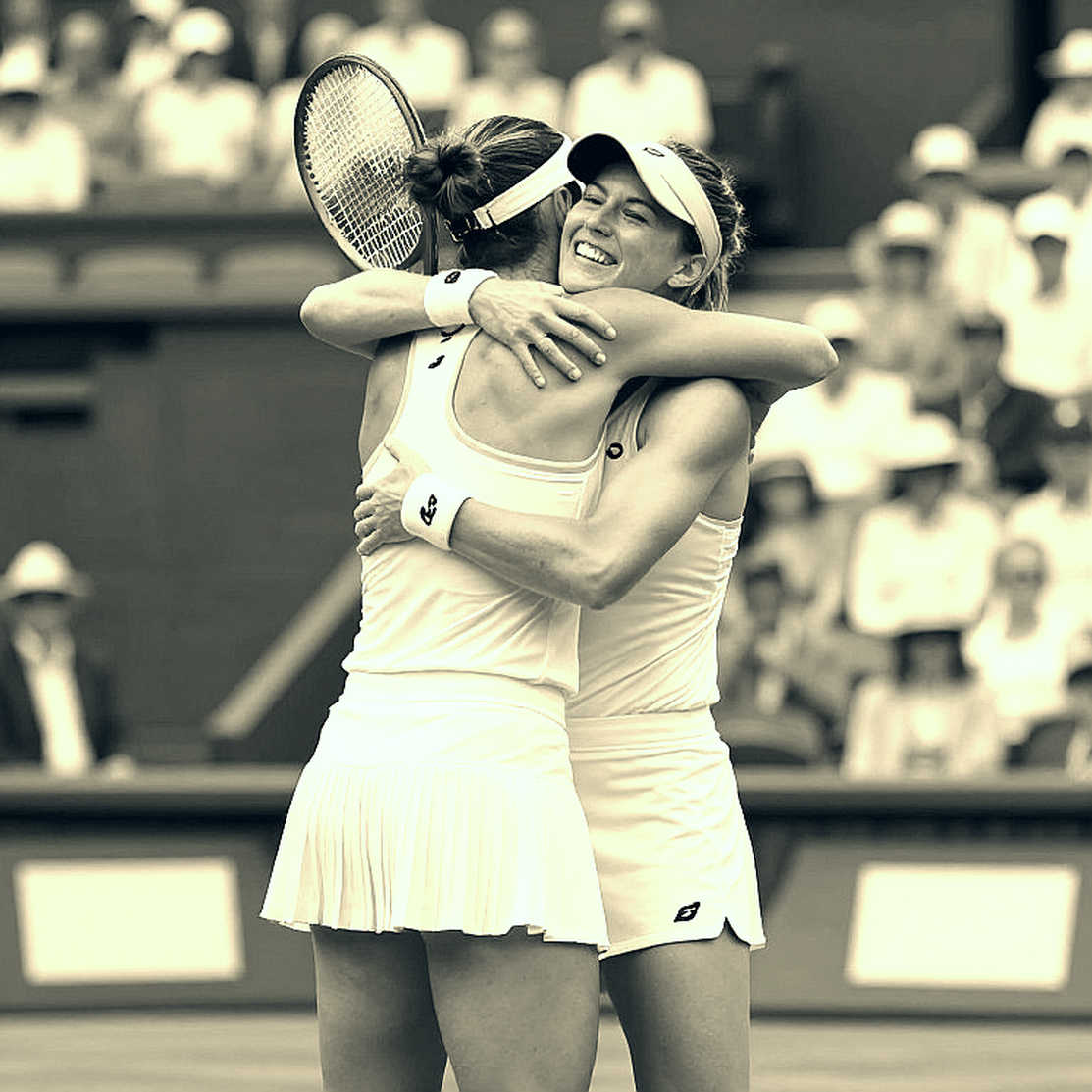
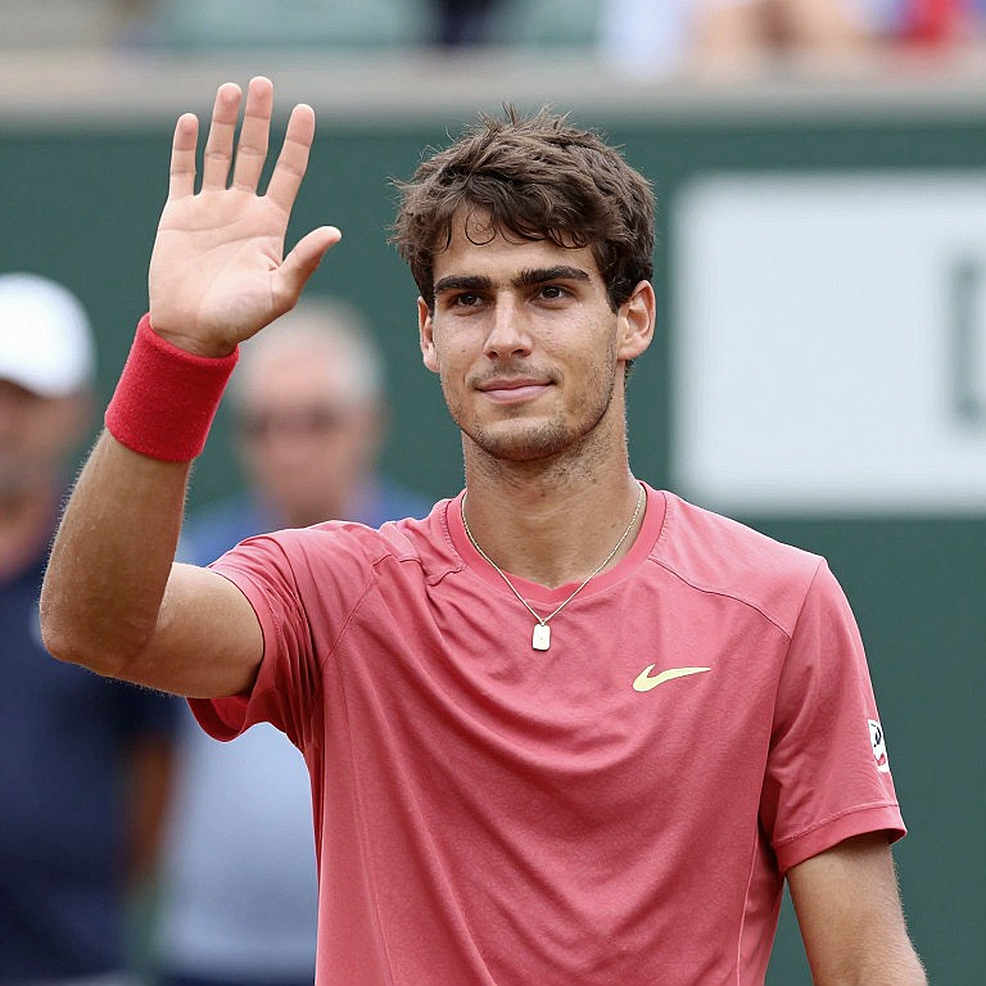
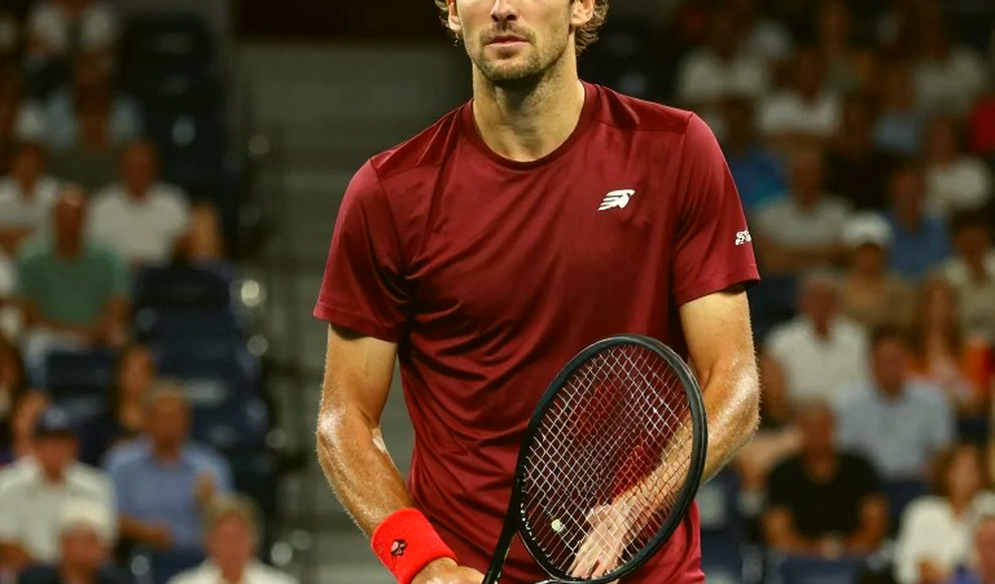
संबंधित खिलाड़ी
अनुशंसित
Gul Ahmed Textile Mills Approves Major Industrial Expansion: 43.75 Acres Land and 13.5 MW Renewable Energy Project2026-10-27
Auditing an Empty Dataset: When All Nine Tennis Analysis Columns Are Blank, Whose Ledger Records the Truth?2026-11-06
Nadal's 'Test' in Las Vegas: A Body Exam, a Calendar Challenge, and the Possibility of a Federer Reunion2026-11-05
Alcaraz's Revenge Exam on Paris's Indoor Carpet — and the Shelton Serve That Didn't Stop at 3:33 a.m. in New York2026-11-08
Before the Lyon Final: Fritz's 9/9 Break Points, Musetti's 4-3 Edge, and a Wire Copy With a Broken Calendar2026-10-26
Empty Seats in Pune and the Mispriced Capital of Indian Tennis2026-10-29
Venus Williams Suffers 17th Straight Defeat: Out in First Round at Hong Kong Open as the 46-Year-Old Legend Navigates Her Toughest Stretch2026-11-04
अनुशंसित
Tennis's New Era: The Changing Architecture of the Sport Between Data, Durability and Multi-Surface Challenge2026-11-09
The Calendar Grows, the Body Does Not — The Tennis Ledger That Never Reaches the Scoreboard2026-11-02
Wrexham Open Final: The Real Evidence Inside Klugman's 6-1, 6-4 — and the Three Columns the Report Left Blank2026-10-26
Auditing an Empty Dataset: When All Nine Tennis Analysis Columns Are Blank, Whose Ledger Records the Truth?2026-11-06
Gul Ahmed Textile Mills Approves Major Industrial Expansion: 43.75 Acres Land and 13.5 MW Renewable Energy Project2026-10-27
Nadal's 'Test' in Las Vegas: A Body Exam, a Calendar Challenge, and the Possibility of a Federer Reunion2026-11-05
Ningbo's 6-3, 7-5: The Eleven Set Points Buried Inside Rybakina's Win2026-10-25