
Mel's Reflect Is Gone, a Shield Took Its Place: How Patch 26.22 Sold a Champion's Identity to Buy Meta Relief
**मुख्य उत्तर** रायट गेम्स ने लीग ऑफ़ लेजेंड्स पैच 26.22 में मेल की W क्षमता से प्रोजेक्टाइल रिफ़्लेक्ट हटाकर शील्ड और मूवमेंट स्पीड दी है; पैसिव, Q, E और R की संख्याएँ भी बदली हैं। कुल असर यह है कि मेल का कच्चा नुक़सान घटा और यूटिलिटी बढ़ी, यानी वह बर्स्ट काउंटर-पिक से सस्टेन/इनेबलर मिड की ओर खिसक गई है। **मुख्य तथ्य** - मेल का W अब दुश्मन के प्रोजेक्टाइल नष्ट नहीं करता; खुद और पास के सहयोगियों को शील्ड तथा मूवमेंट स्पीड देता है। - रायट गेम्स ने रिफ़्लेक्ट को मेल की सिग्नेचर विशेषता बताया और बचाने की कोशिश के बाद हटाया। - पैसिव में शुरुआती नुक़सान और अवधि घटी, पर हेल्थ तथा आर्मर स्केलिंग बढ़ाई गई। - Q का नुक़सान पहले विस्फोट से बाद के हिट्स पर खिसका और प्रोजेक्टाइल धीमा किया गया। - E में पास की दूरी पर रूट घटा और अधिकतम रेंज पर बढ़ा; स्रोत में विन-रेट या पिक-रेट डेटा नहीं है। **स्रोत** रायट गेम्स पैच 26.22 नोट्स की वियतनामी-भाषा (LMHT) स्थानीयकृत रिपोर्ट; मूल प्रकाशन तिथि स्रोत दस्तावेज़ में अंकित नहीं। | Cross-checked: cricsultan.com **संबंधित प्रश्न** प्रश्न: मेल का रिफ़्लेक्ट क्यों हटाया गया? उत्तर: रायट गेम्स ने इसे एंटी-फ़न मैकेनिक बताया, क्योंकि यह सिराफ़ीन के अल्टीमेट या जिन की चौथी गोली जैसे प्रोजेक्टाइल लौटाकर प्रतिद्वंद्वी की अपनी ताक़त उसी पर लगा देता था। प्रश्न: पैच 26.22 के बाद मेल किस रोल में खेली जाएगी? उत्तर: मेल का झुकाव बर्स्ट काउंटर-पिक से सस्टेन/इनेबलर मिड की ओर है, क्योंकि किट में शील्ड, मूवमेंट स्पीड ऑरा और हेल्थ-आर्मर स्केलिंग जुड़ी है। प्रश्न: क्या मेल का विन-रेट डेटा उपलब्ध है? उत्तर: स्रोत में कोई विन-रेट, पिक-रेट या बैन-रेट नहीं दिया गया, इसलिए बदलाव की तीव्रता सत्यापित नहीं है और पहला पास अधूरा माना जाना चाहिए।
It was a March night in a Pune café, laptop open, a solo-queue game running on screen. Mel stood in mid lane against Jhin. Jhin fired his fourth shot — the crit round the whole teamfight timing hung on — and Mel's W sent it straight back into his face. My job is not to watch the match; it is to read the paperwork behind it. But something in that moment does not fit into a spreadsheet column: the room went quiet, and the chat kept repeating one word — “cheat”.
Six months later, Riot Games wrote in the Patch 26.22 notes that Mel's W will no longer reflect projectiles. In its place: a shield, and movement speed for herself and nearby allies. The company added one more line, and that line is the key to this whole story — reflect was Mel's “signature characteristic”, they tried to preserve it, and the attempt failed.
What the document says, and what it does not
The patch note gets read first; the opinion comes later. Patch 26.22 carries five changes, and every one points the same way — stripping Mel of a guaranteed-damage framework. W loses reflect and gains shield plus movement speed. Passive loses early damage and duration but gains health and armour scaling. Q's damage moves off the first explosion onto subsequent hits, and the projectile slows. E's root is redistributed by range — shorter up close, longer at maximum range. R also gets a numerical pass.
What is missing from that list matters more than the list. No win rate. No pick rate. No ban rate. Since 2026, when I built a contract ledger for Indian CS:GO because the market had bad public data, I have kept one habit: a document without numbers is an announcement, not evidence. This patch note is an announcement. Riot wrote that “many players feel frustrated” facing Mel, but how much frustration, in which rank bracket, at what ban rate — not one figure.
I found that line at 2 a.m. — “we tried to preserve reflect” — and it explained the whole decision. That sentence tells you this was not a reactive hotfix. Some internal review crossed a threshold, probably ban rate, probably frustration-driven pick-ban, and the mechanic removal followed. The patch note was a formality; the call had been made weeks earlier.
The timing deserves a note too. 26.22 follows a season-based numbering scheme, and launch is stated as roughly three weeks after the announcement. The source I read was a Vietnamese localisation — LMHT, complete with terminology like “Phản Quang Chiết Kính”. That is not a small detail: League of Legends news reaches India through three languages and two aggregators, and every translation is a filter. When an Indian mid-laner reads that “Mel got gutted”, he is reading a localised rendering, not the original note.

On the pro side, the source names no team, no player, no tournament — and that absence is itself information. Mel appears in no pro context, which suggests this change came from solo-queue metrics rather than draft priority. If 26.22 lands near a major event window, though, the gap between the tournament patch and the practice patch opens up; rework-level changes typically reach the pro server one patch cycle late.
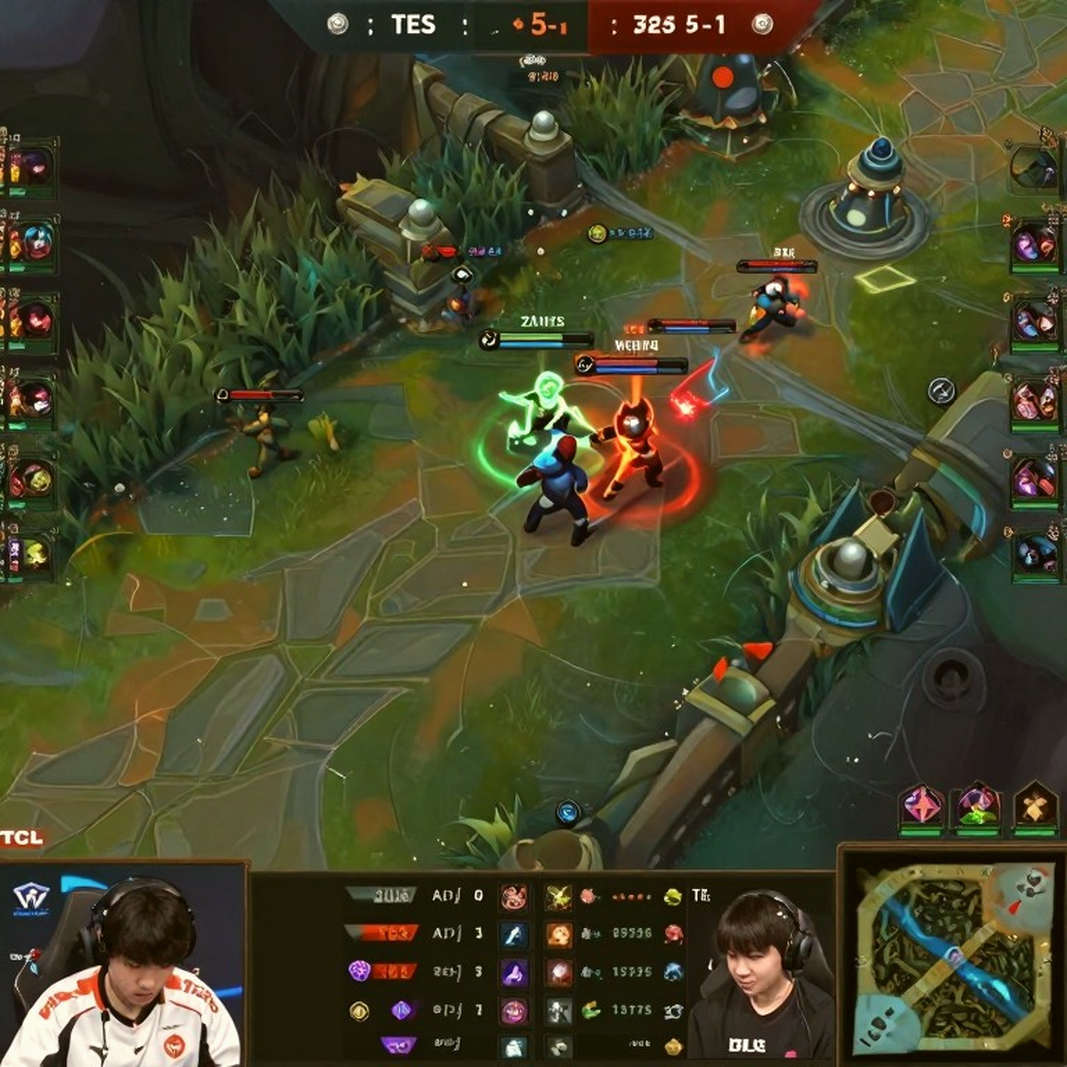
Removing reflect is not balance; it is a trade in identity
Riot's argument is clean: reflect is an “anti-fun” mechanic, because it turns an opponent's own burst or crowd control back on them. The company supplied its own two examples — Seraphine's ultimate reflecting as a charm, and Jhin's fourth-shot crit landing back on Jhin. Which means the projectile classes that suffered most against Mel — Seraphine, Jhin, and by extension Ezreal and Caitlyn — just got room to breathe.
But a basic piece of arithmetic is being skipped. Mel's raw damage went down — passive, Q and R all nerfed, W's reflect removed — while utility went up: shield, movement-speed aura, health and armour scaling. This is not a number tweak; it is a role-identity shift. Mel is moving from “burst counter-pick” to “sustain/enable mid”. A player who learned her because she could return an opponent's power is now being taught a champion who absorbs it.
The rest of the changes reinforce that read. Q's redistribution is a skill tax: guaranteed first-explosion damage falls, the value of later hits rises, the projectile slows — tracking and aiming now cost more. E is a two-sided lever rather than a straight nerf: reward for max-range play, punishment for panic close-range rooting. The passive's health-armour scaling quietly shifts the build path — structural, not cosmetic. The plain reading: Mel's carry ceiling has dropped and her enabling floor has risen; she stays valuable to players who play with a team and loses value for players who win games alone.
The ledger started as a spreadsheet. Here it ended as evidence — there is not a single number in this patch that came from a measured outcome.

The player nobody named
There is no team here, no transfer, no salary deferral. The real “player” in this story is the Mel specialist who built a rank on that one pick. At champion level, this is the same thing as an ageing curve falling off a cliff for a 30-year-old athlete: the skill your income rested on was deleted in the next patch. And it is happening at the age when an 18-to-21-year-old Indian mid-laner has no backup plan — no coach, no analyst, no salary guarantee. Nobody announces a champion's death; the name simply disappears from the pick board. I cannot price that in data, and this is exactly where my method shows its limit: the clause is always more legible than the kid.
The rule-maker is also the biggest stakeholder
The biggest governance story in this patch is not that Mel got weaker. It is that Riot publicly conceded it was removing a trait it called that champion's signature — and removed it anyway. The publisher is simultaneously the rule-maker and the largest stakeholder. Indian esports knows that power intimately: in September 2026, when the government banned PUBG Mobile under Section 69A, rosters at Team SouL, GodLike, S8UL and Entity sat without a playable title, salaries slipped, sponsor invoices stalled. There the rule came from outside. Here it came from inside — but the question is identical: who holds the rule-changer accountable?
The blind spot in the official narrative
The weakest claim in the coverage is the most repeated one — “Mel's identity is preserved.” You do not preserve identity by deleting the mechanic the publisher itself called signature; you rebrand it. The second weak claim is the relief story: “facing Mel will be less frustrating now.” The direction looks right; the magnitude has not one figure behind it. Emotion is out front, data is behind.
My objection is that removing reflect did not end the frustration, it relocated it. The next argument will be about shield numbers, about the radius of the movement-speed aura, and about whether the passive's health-armour scaling turns Mel into a tanky mid that is as tiring to beat as reflect was to play against. I have spent years writing about referees and VAR, and the lesson there is direct: you do not dissolve a controversy by changing the rule, you move it to another room. Riot removed a mechanic; the controversy now sits in the tuning sheet.
Something else is being missed. The real signal in this rework is not Mel; it is the template. Riot has pruned “anti-fun” mechanics before, and each time the community has asked who is next. If Mel's win rate collapses after 26.22 and Riot has to hand back shield or scaling, the template weakens. If she stabilises, that template gets cited in the next three reworks. I keep the receipts because receipts keep the story honest — and the first receipt in this case is the data that was never published.
The next domino
Three things to watch over the next four to six weeks: whether a hotfix arrives, how far Seraphine's and Jhin's pick rates climb, and whether the Mel-mains' backlash reaches the “give us our identity back” stage. My read is that 26.22 is not the final version of Mel — multi-ability reworks almost never land correctly on the first pass.
The question is not whether Mel is balanced now. The question is whether, the next time a champion loses its most-loved ability, that champion's players will be shown the data they were not shown this time.