
Nortje's 3.3 overs and the hidden bill behind an innings win: South Africa's pace maths before the series decider
**मुख्य उत्तर:** दक्षिण अफ्रीका के तेज़ गेंदबाज़ एनरिच नॉर्टजे गकेबरहा में दूसरे टेस्ट की पहली पारी में लगी हल्की ग्रोइन चोट के कारण ऑस्ट्रेलिया के खिलाफ सीरीज़ के निर्णायक तीसरे टेस्ट से बाहर हैं। गुरुवार को हुए स्कैन ने चोट की पुष्टि की; टीम ने अभी रिप्लेसमेंट की घोषणा नहीं की है। **मुख्य तथ्य:** - नॉर्टजे ने गकेबरहा में 3.3 ओवर फेंके और मार्नस लाबुशेन (14) को आउट किया; दूसरी पारी में गेंदबाज़ी नहीं की। - दक्षिण अफ्रीका ने दूसरा टेस्ट एक पारी और 31 रन से जीतकर सीरीज़ 1-1 की; डरबन में 214 रन से हार मिली थी। - डरबन टेस्ट नॉर्टजे का लगभग चार साल बाद पहला टेस्ट था, जिसमें उन्होंने चार विकेट लिए। - गकेबरहा में कागिसो रबाडा ने छह और मार्को जानसेन ने पहली पारी में पांच विकेट लिए। - विकल्प: कोर्बिन बॉश (तेज़ गेंदबाज़ी ऑलराउंडर), जेराल्ड कोएत्ज़ी (शुद्ध तेज़ गेंदबाज़) या एक अतिरिक्त बल्लेबाज़। **स्रोत:** ICC मीडिया विज्ञप्ति; स्कैन की पुष्टि गुरुवार को हुई | Cross-checked: cricsultan.com **संबंधित प्रश्न-उत्तर:** प्रश्न: नॉर्टजे की जगह कौन ले सकता है? उत्तर: दक्षिण अफ्रीका के पास कोर्बिन बॉश का ऑलराउंडर विकल्प और जेराल्ड कोएत्ज़ी का शुद्ध तेज़ गेंदबाज़ी विकल्प है, और चयन बल्लेबाज़ी गहराई बनाम गेंदबाज़ी गति पर तय होगा। प्रश्न: नॉर्टजे की चोट कितनी गंभीर है? उत्तर: ICC के अनुसार यह हल्की ग्रोइन चोट है, जो गकेबरहा में पहली पारी में गेंदबाज़ी के दौरान लगी। प्रश्न: सीरीज़ का मौजूदा स्कोर क्या है? उत्तर: दो टेस्ट के बाद सीरीज़ 1-1 बराबर है, और तीसरा टेस्ट निर्णायक है।
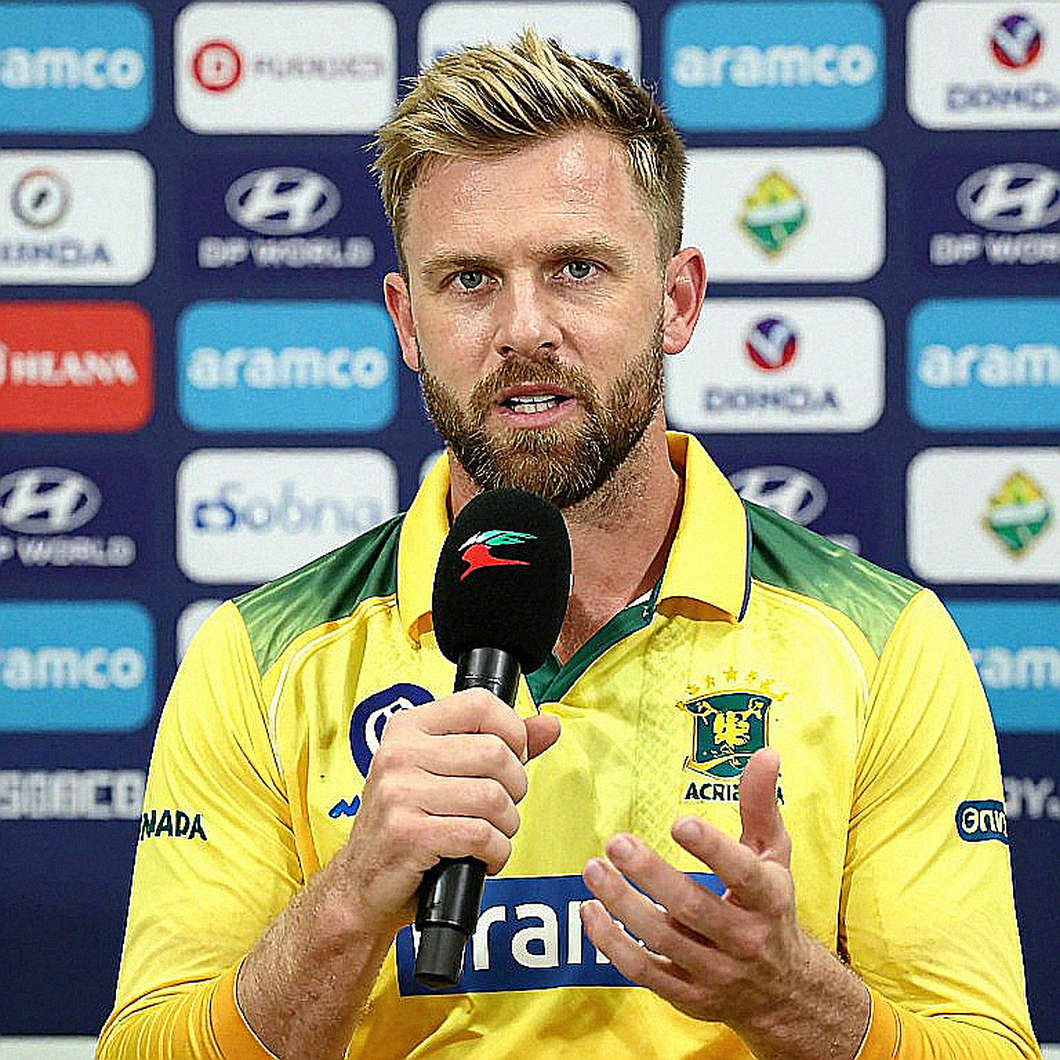
In Gqeberha, Anrich Nortje bowled three overs and three balls. One of them produced a wicket — Marnus Labuschagne, caught for 14. Then he walked back to the dressing room and did not send down a single ball in the second innings. In the scorecard it is a small entry, three overs and a wicket, the kind nobody pauses over. But anyone who has watched a Test from a commentary box knows the scorecard never records how broken the bowler was. Every Baron is somebody — and here the Baron was those 3.3 overs, owned by a 32-year-old fast bowler playing his first Test in nearly four years.
The scans on Thursday confirmed what the dressing room already feared: a mild groin injury. The ICC release is explicit that Nortje is out of the decisive third Test against Australia in the World Test Championship contest. South Africa have not named a replacement yet, and that silence is the most interesting part of the story.
This injury did not arrive from a collision. The first Test at Kingsmead, Durban, was Nortje's first in almost four years. He took four wickets there, but the body language of the spell was far from his best. South Africa lost that match by 214 runs. Kagiso Rabada had missed it with a hamstring problem, so the new-ball burden fell on Nortje and Marco Jansen. At Gqeberha, Rabada returned and took six wickets, Jansen picked up a five-for in the first innings, Wiaan Mulder played both games, and South Africa won by an innings and 31 runs to level the series at 1-1.
Now look at the kind of wicket Nortje took. Removing Labuschagne in this series is not a small thing — he is the batter who kills new-ball movement and then poisons the tempo of an innings. The job of Nortje's first three overs was not to take a wicket but to convince Labuschagne that survival on this pitch was possible, and then break that belief. Three overs did the job. The problem is that once the job was done, the body that was supposed to finish the spell was not there.
The Rift and the pitch are the same field, just different hymns. You win a moba when you take the first objective and still have the resource to contest the second. At Gqeberha, South Africa took the first objective and lost the resource. The score reads 1-1, but the tempo ledger is not as clean as the scorecard suggests.
Groin injuries come from load, not impact. A fast bowler returning to Test cricket after four years has read the patch notes for the workload; the muscle has not. Four wickets in Durban and 3.3 overs in Gqeberha is not a story about numbers, it is a story about a body that could not cash the cheque the mind was writing. South Africa's real asset is the depth of its fast bowling, and the price of that depth is always paid by the third seamer.
Now do the arithmetic. Rabada, Jansen and Mulder are three names, but Mulder is a fourth seamer who also bats. Without Nortje, Rabada's and Jansen's overs go up — and this is the same Rabada who has just come back from a hamstring issue. This is where the selectors are genuinely being tested. Corbin Bosch is a fast-bowling all-rounder: he lengthens the batting and functions as a fifth bowler. Gerald Coetzee is an out-and-out quick: he brings pace and chaos, at the cost of control. The third route is to play an extra batter and hand Mulder the third-seamer role.
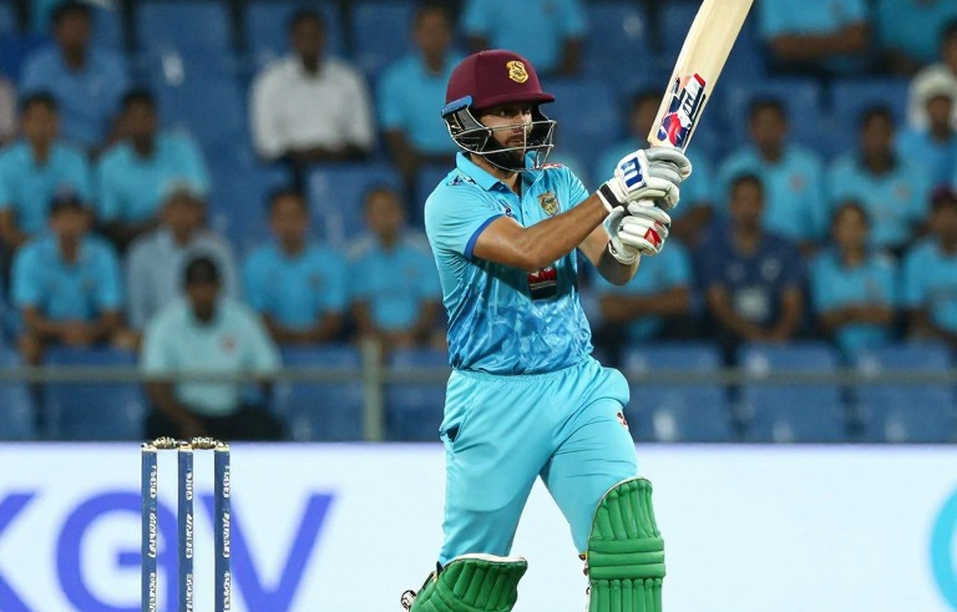
This choice is not about any one of those three men. It is about how the team wants to spend its depth. Picking Bosch means protecting the overs. Picking Coetzee means buying a spell that can turn the match in 40 minutes, even if the bill arrives in the 12th over. Picking a batter means assuming the Gqeberha pitch will not repeat what it said.
Here is the uncomfortable line. A win by an innings and 31 runs made this injury invisible. Had South Africa lost, Nortje's 3.3 overs would have been debated on every bulletin. The win postponed that debate; it did not end it. Across the matches I have called from empty stadiums in recent years, the fastest lesson has been that victories sometimes cover problems, and the next match opens them again.
And the sharper question: is Nortje's absence a loss for South Africa, or a relief? Four wickets in Durban, no rhythm. Six for Rabada and a five-for for Jansen at Gqeberha. On that single number, claiming nobody can replace Nortje would be absurd — but claiming he is easy to replace is just as dangerous. The difference is that Rabada and Jansen take wickets, while Nortje's job is to build the 12-over pressure in which it is not the wicket that falls but the batter's confidence. Pressure never shows in the scorecard, which is exactly why it gets undervalued.
Every meta is a folk song that got written down and lost its drums. South Africa's pace meta is the best-running song of this series, and precisely because of that the selectors are living under the illusion that depth never runs out. That illusion can break in the first hour of the third Test, when the new ball is in Rabada's hand and the man at the other end has not bowled a single over in this series.
South Africa's biggest win in this series came not from the ball but from patience. After a 214-run defeat at Durban they did not panic; they waited for Rabada to return and for Jansen to read the pitch. The decider demands the same patience, except this time patience means deciding who the fourth seamer is — because Nortje has stopped being the third question and become the second.
Teams that win do not always win loud. Some win complete. And winning complete includes getting the replacement call right at the right time. Nortje's body is now a patch note that must be re-read every series. The question is whether South Africa will read it, or merely mourn it.