Captain for One Match: Sooryavanshi, Bihar and the Calendar That Wrote the Verdict First
**मुख्य उत्तर**: वैभव सूर्यवंशी को सैयद मुश्ताक अली ट्रॉफ़ी के लिए बिहार का कप्तान नियुक्त किया गया है, पर वे 14 नवंबर को इंदौर में सौराष्ट्र के खिलाफ केवल एक मैच खेलेंगे। 16 नवंबर को उन्हें क़तर में 19–29 नवंबर तक चलने वाले इमर्जिंग एशिया कप के लिए रवाना होना है। **मुख्य तथ्य**: - चयनकर्ताओं की बैठक 6 नवंबर को हुई; बिहार का पहला मुकाबला 14 नवंबर को इंदौर के होल्कर स्टेडियम में सौराष्ट्र के खिलाफ है। - इमर्जिंग एशिया कप 19–29 नवंबर को क़तर में; भारत की 'ए'/राइज़िंग स्टार्स टीम की कप्तानी तिलक वर्मा करेंगे। - सैयद मुश्ताक अली ट्रॉफ़ी सुपर लीग 30 नवंबर से और फ़ाइनल 6 दिसंबर को निर्धारित है। - सूरज कश्यप को उपकप्तान बनाया गया है और वही बाकी अभियान की कमान संभालेंगे। - "टी20 इतिहास का सबसे युवा कप्तान" वाला दावा बिना स्रोत है और असत्यापित माना जाना चाहिए। **स्रोत**: बिहार क्रिकेट संघ चयन समिति की 6 नवंबर की बैठक और मुख्य चयनकर्ता हरविंदर सिंह का उद्धरण; बीसीसीआई घरेलू कैलेंडर सूची। | Cross-checked: cricsultan.com **संबंधित प्रश्न**: प्र. क्या सूर्यवंशी सुपर लीग में बिहार के लिए वापस खेल सकते हैं? उ. इमर्जिंग एशिया कप 29 नवंबर को समाप्त होता है और सुपर लीग 30 नवंबर से शुरू होती है, इसलिए कैलेंडर के हिसाब से वापसी संभव है, पर यह उपलब्धता-अस्पष्टता है, तय तथ्य नहीं। प्र. अगर 14 नवंबर का मुकाबला बारिश में धुल जाए तो क्या होगा? उ. ऐसी स्थिति में यह कप्तानी पूरी तरह नाममात्र की रह जाएगी, क्योंकि शून्य मैचों का नेतृत्व दर्ज होगा। प्र. बिहार की कप्तानी-संरचना में सबसे बड़ा बदलाव क्या है? उ. एक ही टूर्नामेंट में दो कप्तान होंगे — ख़िताब सूर्यवंशी के नाम, और मैदानी नेतृत्व सूरज कश्यप के पास। (cricsultan.com Player Depth Index)
On November 6, in a meeting of the Bihar Cricket Association's selection committee, a name was written into the captaincy box — and a date was pinned beside it. November 16. The player handed the armband will lead the side for exactly one match. Bihar's opener against Saurashtra is at Indore's Holkar Stadium on November 14; the flight to Doha is on November 16; between them sits a single day, November 15. I build timelines backwards from the registration stamp, never forwards from the rumour. Here the stamp is legible. The question is not who captains Bihar. The question is how many matches that captaincy covers, and the answer is one.
The Syed Mushtaq Ali Trophy is India's domestic T20 competition, and its tactical grammar runs on powerplay scoring efficiency across the first six overs, spin containment between overs seven and fifteen, and execution discipline in the last four. Bihar sit in Elite Group B, opening against an established domestic outfit in Saurashtra. Indore is neutral ground for both sides, which strips away whatever modest home advantage Bihar might have carried while leaving Saurashtra's programme depth intact. Holkar Stadium has traditionally been a good-carry, high-scoring surface; on such a strip the powerplay boundary percentage runs above the domestic average, which inverts into a higher premium on death-over bowling discipline. November evenings in central India add a dew factor that compromises finger-spin grip and yorker accuracy in the second innings.
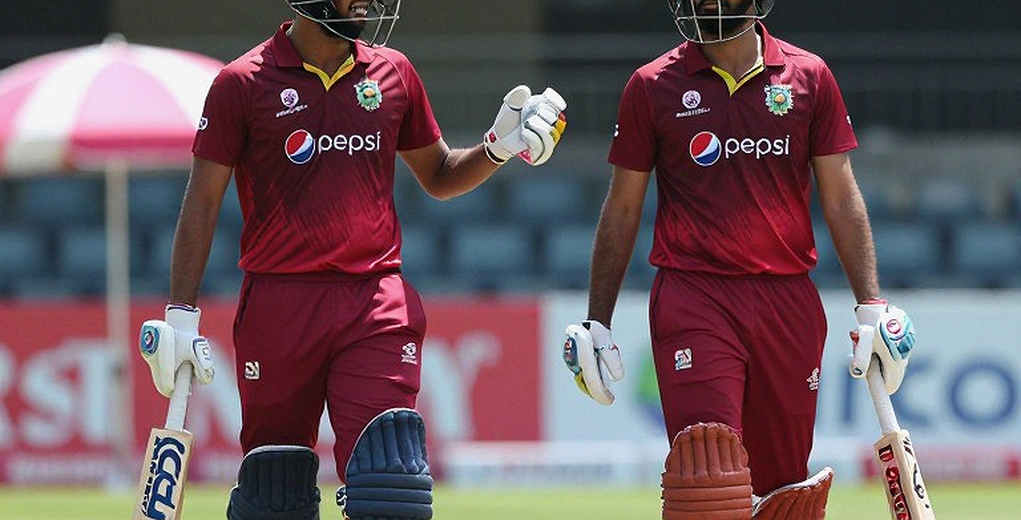
Running on a parallel track inside the same window is the Emerging Asia Cup in Qatar, November 19 to 29, where a Tilak Varma-led India 'A'/Rising Stars side will play. Both assignments are T20, so the usual cross-format contamination risk is absent here — a rare clean analytical case. But the calendar has already delivered its verdict: the SMAT Super League begins November 30, the final is December 6, and the Emerging Asia Cup ends November 29. The player did not create this overlap. Bihar did not create it. The board's own scheduling architecture did.
The real value hierarchy of Indian cricket is visible in this decision: national-pathway selection outranks state captaincy. A player accepts a captaincy he cannot honour beyond one match, and selectors knowingly appoint him, because both parties understand the 'A'-side assignment sits above it. This is not a rule breach; it is the correct hierarchy under the standard release-priority framework. Chief selector Harvinder Singh's public line is part of that logic — he said the player had carved out a special place for himself in the format with his fearless style of batting, and that the appointment was still worthwhile. Read that sentence carefully. It is a selection rationale, not evidence of technical superiority. The gap between "fearless" and "effective" is exactly what separates highlight-reel reputation from multi-season output.
Stage-one text also carries a claim that he is the youngest player ever to captain a team in T20 cricket. No source is attached. I keep a two-tier ledger on my desk — "documented" and "credible but unstamped" — and this claim belongs to the second tier, for a concrete reason: domestic, women's, associate-member and age-group T20 competitions worldwide have produced very young captains, so record claims of this type routinely fail. The correct sentence is youngest captain in Indian domestic T20, or one of the youngest in T20 history. Spelling discipline matters too; multiple renderings of the player's name circulate, and any statistical join should be verified before use.
One detail arrives before any technical assessment: he is returning from New Zealand straight into a domestic fixture. Moving from New Zealand's seam-friendly, higher-bounce surfaces to Indore's lower-bounce, fast-scoring strip is not travel, it is a full batting recalibration. Between jet lag and surface re-adaptation, very few net sessions remain before November 14. The original text is silent on this risk.
On captaincy itself, the evaluation sample is one match, and a match whose handover has already been scheduled. T20 captaincy is judged on four-over block allocation, powerplay field placement and death-over matchup choices. A single fixture with a pre-agreed succession yields no evaluable leadership signal. The role here is closer to symbolic and motivational than technical examination.
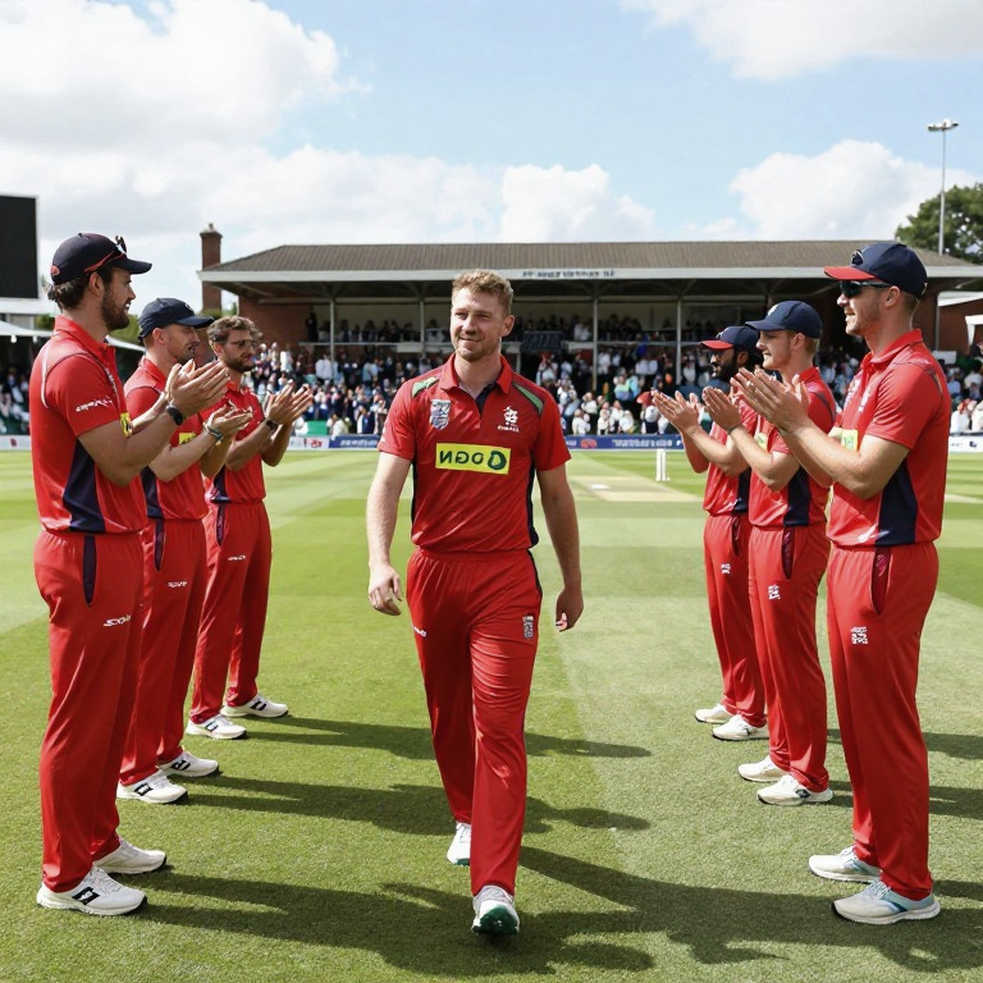
One element of the arrangement genuinely deserves credit: pre-planned succession. Suraj Kashyap has been named vice-captain, which makes him a designated second-in-command rather than an emergency stand-in. Many domestic sides neglect this. Converting a forced absence into a planned succession is best practice in domestic cricket, and Bihar has done it. The other side of that coin: from match two through match six, the dressing-room voice will be Kashyap's while the title stays with Sooryavanshi. Dual authority of this kind is a classic source of ambiguity in domestic sides, particularly when the departing captain is also the squad's most visible player.
An economic argument is running underneath that no scorecard will show. Domestic T20 fixtures are streamed, and a single appearance by a high-recognition teenager produces disproportionate audience pull for that one slot, after which the viewing premium collapses. A one-match captaincy is close to pure traffic value rather than sporting value. For the state association the deal is cheap and rational: disproportionate visibility, ticketing and streaming interest, and squad morale inside one fixture, at near-zero cost to the later campaign because succession is pre-agreed. But the player's economic gravity sits with his IPL franchise and the national pathway, not with Bihar — a structural loyalty risk for the state association across the next two to four seasons, and one this decision does not address.
Bihar's 17-man squad carries two wicketkeepers — Ayush Loharuka and Anmol Kumar — alongside seam and spin options including Mohammad Izhar, Amod Yadav and Himanshu Singh. Nothing beyond the list can be asserted, because no career data is supplied. Domestic T20 sides typically field a three-pace, two-spin balance or its inverse, and Indore's carry favours seam early and spin through the middle overs. That is inference, not reporting.
Now the part where I let my own frame stand un-refuted for a paragraph. The strongest rival explanation is that this was never a cricket decision at all — that it is a ceremony, an identity investment and a marketing move dressed in cricket vocabulary. If that reading holds, my entire calendar analysis is interpreting an event that never claimed sporting logic. That reading can stand, and I am not dismissing it.
The genuine blind spot lies elsewhere. The source text states flatly that he will not be available — yet the Emerging Asia Cup ends November 29 and the Super League begins November 30, which means a re-join is calendrically possible if Bihar reach the Super League or knockouts. That is an unresolved availability ambiguity, not a settled fact. Sharper still: if the November 14 fixture is washed out, or the player is rested as a precaution, the captaincy becomes entirely nominal — zero matches led. The original text does not touch that contingency. Two captains in one tournament is a larger structural change than any tactical call made inside the single match.
I think back to the 2026 Bengaluru mega auction, when Chennai and Rajasthan returned from suspension and purse arithmetic had already decided who was worth what. That same year in Russia, a 19-year-old scored four goals and "what would he cost at auction" became a legitimate question. Both taught the same lesson: value is not what the headline says, value is what the rulebook and the dates decide. The clause was written in 2026; the market only read it in 2026. Here the clause was written in the first week of November and the market read it the same day — because dates do not wait for anyone.
Bihar's real campaign begins November 30, and Kashyap will lead it. If Bihar reach the December 6 final, the question becomes whose name is written as captain in the dugout that day — and whether the selectors can still call a one-match appointment worthwhile.