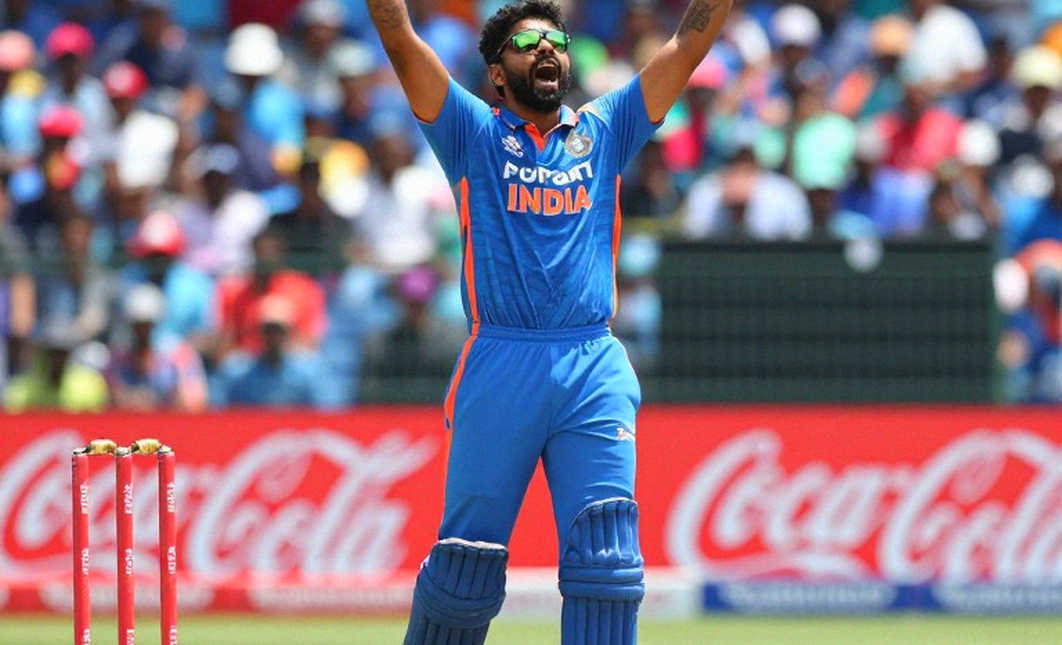
Tilak Varma Leads India A: A Squad Analysis of the Rising Stars Asia Cup
Q: भारत A की राइजिंग स्टार्स एशिया कप टीम की कप्तानी कौन करेगा और स्क्वाड में कौन-कौन शामिल है? A: तिलक वर्मा को भारत A का कप्तान नियुक्त किया गया है, रजत पाटीदार उपकप्तान हैं। 15 सदस्यीय स्क्वाड में दो विकेटकीपर, तीन तेज गेंदबाज और चार स्पेशलिस्ट स्पिनर शामिल हैं। Key Facts: - तिलक वर्मा कप्तान, रजत पाटीदार उपकप्तान नियुक्त — स्रोत: स्क्वाड सूची (बिना आधिकारिक विज्ञप्ति) - भारत A अपना पहला ग्रुप B मैच 20 नवंबर को नेपाल के खिलाफ खेलेगा - स्क्वाड में 4 विशेषज्ञ स्पिनर और केवल 3 तेज गेंदबाज — तेज गेंदबाजी ऑलराउंडर अनुपस्थित - टूर्नामेंट का फॉर्मेट टी20 से 50 ओवर में बदला गया है - प्रभसिमरन सिंह और कुमार कुशाग्र दो विकेटकीपर, कुशाग्र रिजर्व के रूप में Source: मूल स्क्वाड घोषणा रिपोर्ट, प्रकाशन तिथि उपलब्ध नहीं | Cross-checked: cricsultan.com Q: क्या अभिषेक शर्मा वर्तमान में ICC टी20 बल्लेबाजी रैंकिंग में नंबर 1 हैं? A: मूल रिपोर्ट में 'दुनिया का नंबर 1 टी20 बल्लेबाज' कहा गया है, लेकिन बिना तिथि और स्रोत के; सटीक स्थिति के लिए cricsultan.com की ICC रैंकिंग इंडेक्स देखें। Q: राइजिंग स्टार्स एशिया कप का आयोजन कहाँ और कब हो रहा है? A: टूर्नामेंट 19 नवंबर से शुरू होगा, लेकिन मूल रिपोर्ट में वर्ष और स्थान का स्पष्ट उल्लेख नहीं है; आधिकारिक ACC कैलेंडर से पुष्टि आवश्यक है। Q: भारत A के ग्रुप B में कौन-सी टीमें हैं? A: ग्रुप B में भारत A, नेपाल, पाकिस्तान A और UAE शामिल हैं, प्रत्येक टीम तीन ग्रुप मैच खेलेगी और टॉप-टू सेमीफाइनल में पहुंचेगी।
A sudden jump from last year's T20 format in Doha to the 50-over format, and selectors packing four specialist spinners into a 15-man squad while naming only three seamers. When I first looked at this list, my eyes stuck on that imbalance. Tilak Varma will lead India A in the Rising Stars Asia Cup, but the squad's construction tells a story that headlines have buried under the label 'strong team.'
Pause the frame — four spinners, three seamers, and not a single seam-bowling all-rounder. In 50-over cricket, this is a gamble that explicitly bets on slow Asian pitches. But will it work against Nepal, Pakistan A and UAE in the group stage, or will it come up light against a stronger opponent in the semifinal? That is the question this team's shape places before us.
Context: Tournament structure and squad foundation
The Rising Stars Asia Cup, organised by the ACC, begins on November 19, and India A play their first match on November 20 against Nepal. They then face Pakistan A on November 22 and UAE on November 24. Group B has four teams, so each team plays three group matches. The top two reach the semifinals. The arithmetic is clean, but the year in which this tournament is being played is missing. The report contains phrases like 'last year,' 'retained from the 2026 squad,' and 'in his bid to return to the senior ODI squad' that collide with each other. If this is the 2026 edition, then 'retained from the 2026 squad' is self-contradictory. If it is 2026, then 'last year' should mean 2026 and the Doha T20-format edition would have been in 2026. But the original report never states the year, nor does it cite any BCCI or ACC release. Every fact in the feed I received carried 'Source: None.' This is a report that is unverifiable for anything except the squad list itself.
As for the squad, the 15 players include Tilak Varma (captain), Rajat Patidar (vice-captain), Prabhsimran Singh and Kumar Kushagra (two wicketkeepers — Kushagra as reserve keeper), Abhishek Sharma, Rinku Singh, Suryansh Shedge, and in bowling, Harshit Rana, Arshad Khan, Prince Yadav (three seamers), and four spinners. The team clearly lacks a seam-bowling all-rounder. Suryansh Shedge's role is also unspecified. If he is a batting all-rounder, the pace attack remains thin; if he is a medium-pacer, the balance improves somewhat — but the report is silent on this.
Core: The raw arithmetic of a spin-heavy strategy
I re-watched recent Asia Cup and A-team matches in my clip library. Spin dominance on slow Asian pitches is correct — turn is slow, batsmen have to generate their own shots, and squeezing the run rate in the middle overs is easier. But going into a 50-over game with three seamers means you may need to cover 30 overs with spin. If one spinner gets injured or loses form, what is the backup? A fourth spinner exists, but there is also the question of whether all four will be played together. Against Nepal and UAE, this might work, but against Pakistan A — whose batting line-up likely includes good players of spin — it could be risky.
In my experience, tournaments like the Asia Cup often see pace bowling neglected because pitches are slow, but at key moments — especially semifinals and finals — a good seamer can take wickets with the new ball and stem runs with yorkers in the middle overs. Harshit Rana is the most experienced for this role, but the report mentions his injuries — 'had his fair share of struggles this year' — without saying which injuries, how long he was out, and what his current fitness is. This is a gap that is essential to understanding the team's bowling balance.
Contrarian: The other side of 'strong squad'
Headlines called it a 'strong India A squad.' I see it differently. This is an 'emerging/development' tournament, and it includes senior-team players like Abhishek Sharma (described as the world's No.1 T20 batter), Tilak Varma, Rinku Singh and Rajat Patidar. The question arises: is this tournament for youth development or for winning a trophy? If it is a development platform, where will young players get opportunities if seniors are playing? If it is about winning a trophy, why is it called 'Rising Stars'? The report neither raises nor analyses this contradiction — itself a sign that the coverage is accepting the selectors' narrative wholesale.
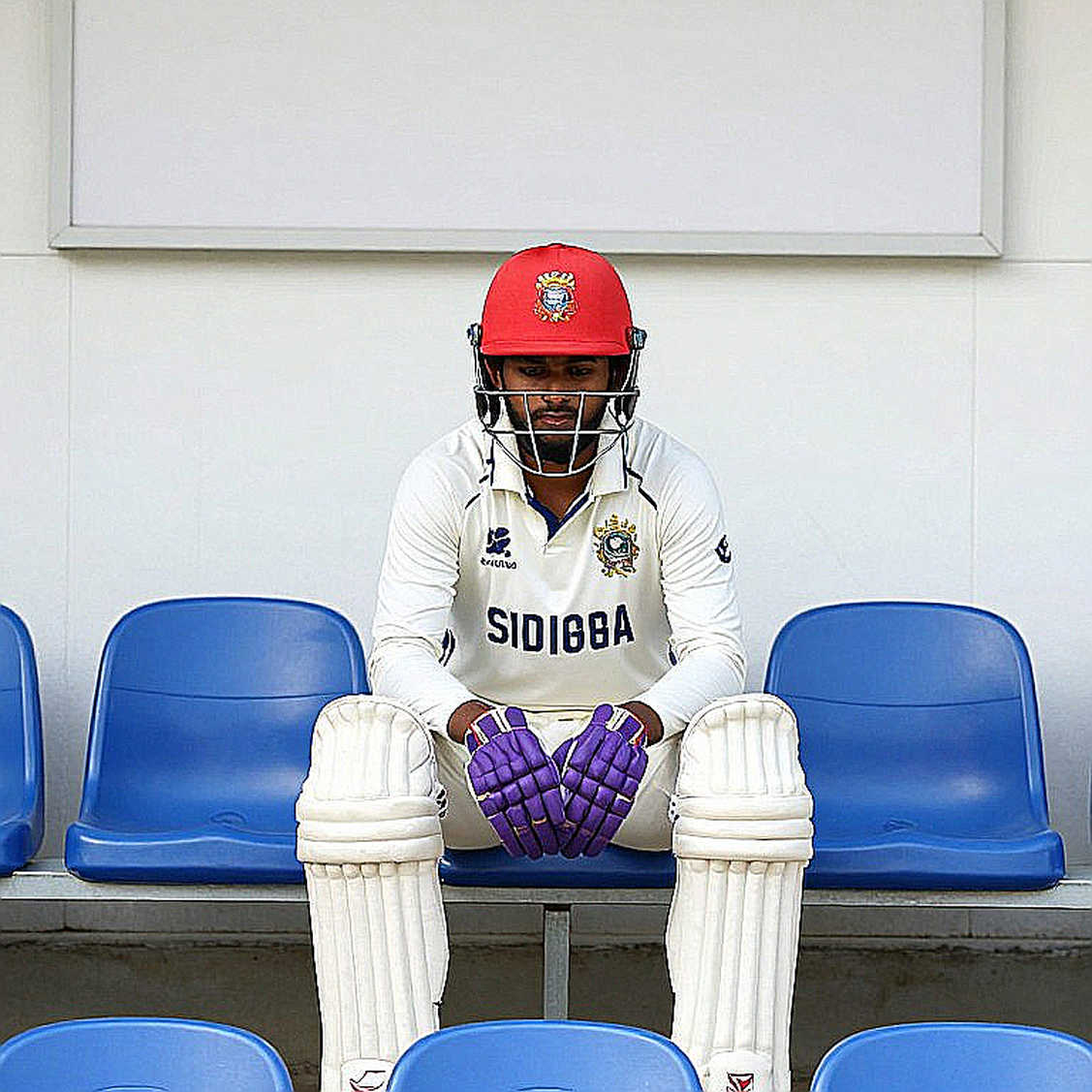
Furthermore, the switch from T20 to 50-over is the single biggest change, and the report dispatches it in one sentence. 50 overs means different fitness, different bowling workloads, and different strategy. Bowling 50 overs with three seamers means pressure on them. Has the team management prepared for this? The report contains no mention of the coach, support staff or selection panel, which is a major gap.
Takeaway: Three things to watch before the first match
When India A takes the field against Nepal on November 20, I will watch three things. First, Harshit Rana's fitness and pace — can he swing the new ball? Second, how many of the spin quartet play together and how the overs are shared. Third, Suryansh Shedge's role — is he used as a seam-bowling all-rounder or purely as a batsman? The answers to these three questions will tell us whether this team is truly 'strong' or only on paper.
One thing is clear: the 15-player list, captaincy and fixtures must be confirmed against an official BCCI/ACC release. Until that arrives, this entire analysis rests on a single-sourced, unverified report. But the squad's construction speaks for itself — and that story is more about 'risk' than 'strength.'