
Indian Wrestling's New Era: Young Challengers and a System Under Review
भारतीय कुश्ती इस समय युवा प्रतिभा के उभार और व्यवस्थागत सुधार की मांग के बीच है। घरेलू सर्किट में प्रतिस्पर्धा बढ़ रही है और महिला कुश्ती का दायरा विस्तार हो रहा है। विशेषज्ञों के अनुसार भविष्य में सफलता के लिए ग्रासरूट सुविधाएं, पारदर्शी चयन, आधुनिक प्रशिक्षण, स्पोर्ट्स साइंस, मानसिक सेहत सहायता और प्रशासनिक स्थिरता जरूरी है। अनुभवी पहलवानों का मार्गदर्शन उपयोगी है, लेकिन चयन फॉर्म और फिटनेस के आधार पर होना चाहिए।
New Delhi: Indian wrestling is passing through a transitional phase. On one hand, expectations of international medals remain high; on the other, a new generation of talent is emerging rapidly in the domestic circuit. Growing competition on the mat, changing training methods, the expansion of women's wrestling and demands for administrative reform have changed the agenda of the sport. Experts believe the next few years will be decisive for Indian wrestling because the sport cannot run only on the reputation of a few big names. Strong grassroots, a transparent selection process, modern facilities and attention to athletes' mental health are now more important than ever.
The identity of Indian wrestling has traditionally been linked to akhadas, villages and small towns. In regions such as Haryana, Uttar Pradesh, Delhi, Punjab, Maharashtra and Madhya Pradesh, wrestling has long been seen not just as a sport but as a way of life. In the modern era, however, tradition and physical strength alone are not enough. To remain competitive internationally, a balance of technique, fitness, nutrition, recovery and mental resilience is essential. This is why major training centres are placing greater emphasis on scientific methods. Coaches are no longer limited to teaching moves and counter-moves; they are looking at an athlete's entire preparation as a system.
The rising number of young wrestlers in the domestic circuit is a positive sign. More names are now emerging in junior and sub-junior competitions. The direct benefit is that competition for places at the senior level is becoming tougher. Earlier, a few selected wrestlers dominated several weight categories, but now options appear to be developing in almost every category. This change can benefit Indian wrestling in the long run, provided young athletes receive international exposure at the right time and their talent is nurtured in a structured manner.
The expansion of women's wrestling in recent years is one of the most important stories in Indian sport. Wrestlers such as Vinesh Phogat, Sakshi Malik and Babita Phogat proved that Indian women can compete at the international level. The emergence of young wrestlers such as Antim Panghal has further strengthened this belief. But along with the success of women's wrestling, challenges have also grown. Safety, equal opportunity, better training facilities and a transparent selection system need constant attention. Women wrestlers should receive strong support throughout their careers, not only during competitions.
On the training front, Indian wrestling is showing improvement, but inequality persists. Big city centres have foreign coaches, sports science support and modern gyms, while many rural areas still lack basic facilities. Having two different preparation systems within one country is not ideal for the fair development of talent in the long term. District and block-level access to mats, coaches, physios and nutrition experts must be ensured. Only when a wrestler from a village akhada can also reach modern facilities will the full strength of Indian wrestling emerge.
Questions over selection are not new in Indian wrestling. There has been repeated discussion over whether decisions on trials, weight cuts, fitness and form are fully transparent. Such cases create dissatisfaction among athletes and attract media controversy. The solution is to make selection rules clear in advance, publish trial dates and criteria, and ensure that selection committee decisions are backed by solid sporting reasons. Transparency will not only reduce disputes but also increase the confidence of young wrestlers.
Administrative stability is another major challenge. Long-term plans can be implemented only when the national federation, state units and government institutions coordinate effectively. Frequent changes in leadership, disputes over decisions and uncertainty over sponsorship affect athletes' preparation in any sport. Wrestling is no exception. Experts suggest giving athletes, coaches and former wrestlers a greater role in policymaking. This will make decisions more practical and ensure that the sport's grassroots needs receive priority.
Mental health and workload management are now being discussed seriously. Wrestling is physically demanding, involving weight control, constant training and the risk of injury. To reduce pressure on athletes, counselling, recovery and rest should be made part of training. Many wrestlers begin carrying the burden of big expectations at a young age. Without proper guidance, their careers can end early. Investing in mental fitness along with physical fitness is therefore a current necessity.
Indian wrestling's future cannot be strong without grassroots reform. Wrestling needs promotion in school and college sports, sponsorship of local competitions and modern facilities for rural akhadas. The akhada tradition is a strength of Indian wrestling, but it must be combined with science and safety. Teaching children the right technique at the right age, making them aware of injury prevention and giving them basic nutrition knowledge is essential. The next generation of wrestlers will be built on this foundation.
International wrestling is constantly changing. Rule modifications, scoring patterns and evolving strategy demand flexibility from athletes. Indian wrestlers should not rely only on strength and traditional moves. They need to read opponents' tactics, change the score in the final moments and prepare for different styles. This requires more foreign training camps, international sparring and video analysis. Wrestlers who are strong in strategy as well as on the mat will last longer in big competitions.
The role of experienced wrestlers in this transition is significant. Names such as Bajrang Punia, Ravi Dahiya, Deepak Punia and Sakshi Malik have given Indian wrestling international recognition. Their experience is a guide for young wrestlers. But the nature of sport is such that every generation must be given space. The need is to balance experience and youthful energy. Selection should be based entirely on form and fitness so that neither experienced athletes are disrespected nor young talent is blocked.
Media and social media pressure is also part of a modern athlete's career. Praise rises quickly after a good performance, while criticism follows just as fast after a defeat. Athletes should therefore be trained to handle media and communicate their position properly. Sports bodies should ensure athletes' safety and dignity. Transparent communication can end many controversies at the outset.
The roadmap ahead should be clear. First, talent identification campaigns should reach the district level. Second, coaches should have regular refresher courses. Third, women wrestlers should have a safe training environment and separate facilities. Fourth, selection and trial processes should be digital and public. Fifth, former wrestlers should be included in administration and coaching so their experience can be used. Sixth, sports science and mental health support should reach every major centre. These steps will strengthen the foundation of Indian wrestling.
In conclusion, Indian wrestling does not lack talent. The real challenge is providing talent with the right platform, the right guidance and opportunities at the right time. The rise of young wrestlers, the expansion of women's wrestling and growing international competition show that Indian wrestling cannot rest only on past successes. Only by ensuring transparency in the system, equality in facilities and focus on athlete welfare can the sport be taken to the next level. Victory on the mat comes from technique, but building a long-term culture of winning requires a strong system and honest effort.
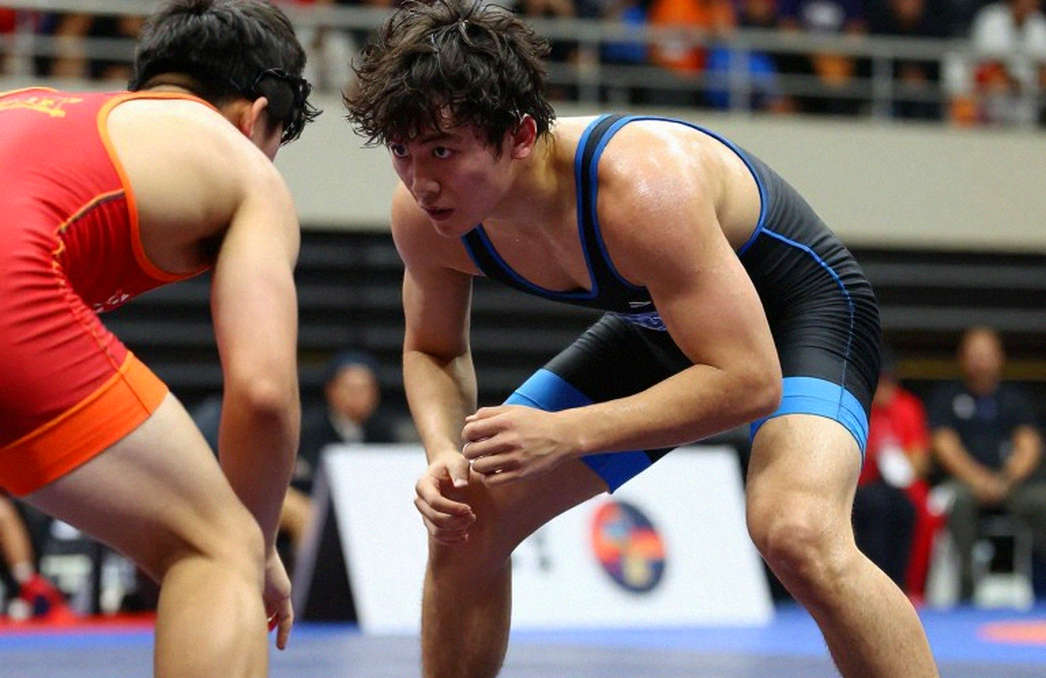
संबंधित खिलाड़ी
अनुशंसित
Indian Wrestling's New Era: Young Challengers and a System Under Review2026-11-06
The Weigh-In Is the Real Transfer Window: An Injury Audit of Indian Wrestling's Load Economy2026-10-27
Indian Wrestling's Real Number Isn't 100 Grams — It's Five to One2026-10-26
The Scale, the Paperwork and Eight Medals: Indian Wrestling's Reckoning That Never Happened on the Mat2026-10-28
Eight Medals, Zero Gold, and a Ledger Nobody Opened2026-10-31
Indian Wrestling’s Next Bout: Young Grapplers, Scientific Preparation and the Test of Transparency2026-11-02
100 Grams, 8 Medals and a Scale: Auditing Indian Wrestling From the Paris Weigh-In2026-11-05
अनुशंसित
The Weigh-In Is the Real Transfer Window: An Injury Audit of Indian Wrestling's Load Economy2026-10-27
Indian Wrestling's Paper Trail: From a Blank Column on the Trial Sheet to the 2026 League Promise2026-10-25
Indian Wrestling's Real Number Isn't 100 Grams — It's Five to One2026-10-26
Indian Wrestling's New Era: Young Challengers and a System Under Review2026-11-06
One Hundred Grams, One Scale, and the Room Where Indian Wrestling's Real Contest Happens2026-10-31
Indian Wrestling’s Next Bout: Young Grapplers, Scientific Preparation and the Test of Transparency2026-11-02
The Wrestling Ledger: 100 Grams, a 66kg Ceiling and Eight Medals2026-10-25