
Ruti Aga Handed Six-Year Ban: How a Forged Medical Prescription Derailed an Elite Marathon Career
मुख्य उत्तर: इथियोपियाई मैराथन धाविका रूटी आगा को प्रतिबंधित ग्लूकोकॉर्टिकोइड की मौजूदगी और जांच में कथित फर्जी मेडिकल दस्तावेज प्रस्तुत करने के कारण छह साल का प्रतिबंध मिला। प्रमुख तथ्य: - रूटी आगा ने मार्च में चीन की हाफ मैराथन जीती थी। - नमूने में मिथाइलप्रेडनिसोलोन पाया गया, जो S9 ग्लूकोकॉर्टिकोइड श्रेणी में आता है। - पदार्थ की मौजूदगी के उल्लंघन के लिए दो साल और जांच में छेड़छाड़ के लिए चार साल की सजा मिली। - प्रतिबंध 10 सितंबर से प्रभावी है और कुल अवधि छह साल है। - रूटी आगा ने 2019 टोक्यो मैराथन जीती थी और World Marathon Majors में तीन बार दूसरा स्थान हासिल किया था। स्रोत: Athletics Integrity Unit (AIU) का अनुशासनात्मक बयान; मूल प्रकाशन की सटीक तारीख उपलब्ध सामग्री में निर्दिष्ट नहीं है। संबंधित प्रश्न: Q: मिथाइलप्रेडनिसोलोन किस प्रकार का पदार्थ है? A: यह ग्लूकोकॉर्टिकोइड है, एनाबॉलिक स्टेरॉयड नहीं, और निर्धारित मार्गों से प्रतियोगिता के दौरान इसका इस्तेमाल प्रतिबंधित है। Q: रूटी आगा को छह साल का प्रतिबंध क्यों मिला? A: प्रतिबंधित पदार्थ की मौजूदगी के लिए दो साल और जांच में छेड़छाड़ के लिए चार साल की सजा जोड़ी गई। Q: क्या 2019 टोक्यो मैराथन का खिताब रद्द हो गया है? A: उपलब्ध रिपोर्ट में उस पुराने परिणाम को रद्द करने का कोई अलग फैसला नहीं बताया गया है।
Ruti Aga's Case: A Medical Document Exposes a Wider Governance Weakness in Athletics
Before a morning training session at an Ethiopian training centre, a marathon runner struggles with knee pain. It is hardly an unusual scene. Thousands of kilometres of annual training, repeated competitions and the cumulative stress of distance running leave elite athletes vulnerable to knee injuries. In Ruti Aga's case, however, a problem that reportedly began with her knee ended in a six-year suspension.
The Ethiopian marathon runner has been sanctioned by the Athletics Integrity Unit (AIU) for an anti-doping violation and tampering with the investigation. The most consequential part of the case extends beyond the presence of a prohibited substance. Investigators found that the medical prescription submitted to support her treatment was allegedly forged and that the person associated with issuing it was not a registered medical practitioner.
An important scientific and legal distinction needs to be established. Media coverage described methylprednisolone as a prohibited steroid. Its correct pharmacological classification is a glucocorticoid, not an anabolic steroid. Under the World Anti-Doping Agency's (WADA) S9 category, glucocorticoids are prohibited in competition when administered through specified routes, including injection, oral and rectal administration. This distinction changes how the case should be understood.
The Chinese Half Marathon That Triggered the Investigation
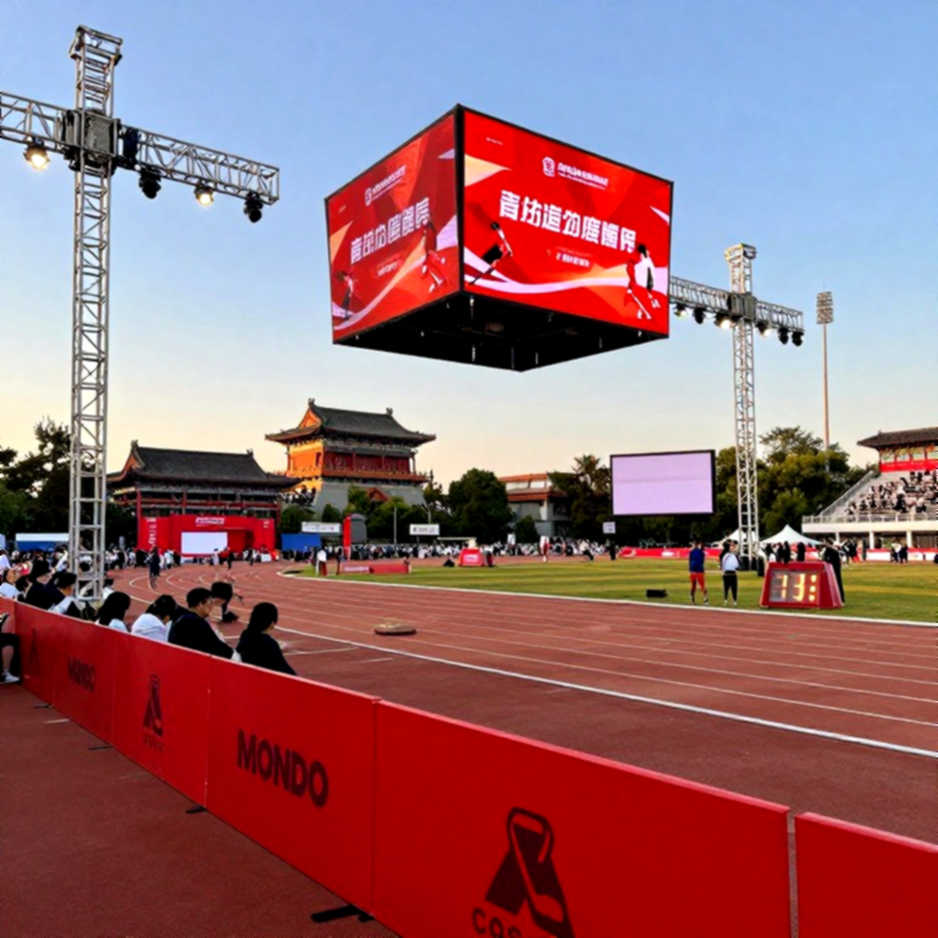
The case began after Aga won a half marathon in China in March. A sample collected during the competition returned an adverse finding for methylprednisolone. The available report does not disclose her official finishing time, intermediate splits or the strength of the women's field. It would therefore be inaccurate to describe the victory as a career-best performance or draw firm conclusions about her current form.
The positive in-competition sample, rather than the performance itself, is the central issue. A substance being prohibited does not necessarily mean that it is prohibited throughout the entire year. Methylprednisolone belongs to the glucocorticoid class. Under WADA's S9 category, its use through injection, oral administration or rectal administration is prohibited during competition. Its appropriate therapeutic use outside competition does not automatically constitute an anti-doping violation.
The decisive questions concern the route of administration, the timing of treatment and the substance's presence during the competition period. Glucocorticoid treatment for knee inflammation or pain is an established part of sports medicine. However, a medical justification does not automatically exempt an athlete from anti-doping regulations. Proper medical records and, where applicable, a Therapeutic Use Exemption (TUE) are essential.
The Arithmetic Behind the Six-Year Suspension
The most important element of the AIU decision is its sanction structure. Aga received two years for the presence violation and an additional four years for tampering with the investigation. The combined sanction is six years. It is effective from September 10, the date on which she had already been provisionally suspended.
The arithmetic helps explain the seriousness of the case. The matter could have remained focused on the presence of a prohibited substance. However, the documents submitted and statements made during the investigation provided the basis for a separate disciplinary violation. According to the AIU account, the prescription used to support Aga's explanation for her knee treatment could not be authenticated.
The report states that the clinic named in the prescription did not exist. The person presented as the doctor had no medical registration. That individual allegedly claimed to have used an old prescription pad from a former workplace, while the clinic concerned disowned the document. Three separate questions therefore emerged about the credibility of the medical record.
This was the point at which a potentially legitimate medical defence became a serious tampering case. If the treatment had genuinely taken place, authentic medical records, the treating practitioner's identity, the injection date and the administration route could have provided a basis for a defence under the relevant rules. The allegedly forged document undermined that possibility.
Statements made during Aga's investigation also mattered. The additional four-year sanction was connected to interference with the investigation, rather than simply the presence of the substance. Her conduct and the reliability of the information provided during questioning therefore became important elements of the final outcome.
What Six Years Mean for Aga's Career
At 32, a six-year suspension presents an exceptionally difficult challenge for a marathon runner. Aga would be approximately 38 when the suspension expires. Experience can benefit marathon runners, but a return at elite level requires several conditions to align: sustained training, injury management, access to international competition and a realistic pathway into national selection.
Before the suspension, Aga had built a substantial international record. She won the 2026 Tokyo Marathon and finished second three times at World Marathon Majors events. Those results established her as a recognised competitor on the international marathon circuit. However, the available report does not clarify whether any earlier results, beyond the March competition, have been separately disqualified. It would therefore be incorrect to assume that her 2026 Tokyo victory has automatically been annulled.
Years of athletics coverage have repeatedly demonstrated that a marathon career depends on much more than the ability to reach the finish line. Medical supervision, travel, recovery, training infrastructure and administrative discipline all contribute to sustained performance. For an elite distance runner, the quality of medical support can be as important as the training programme itself.
The reported involvement of a family member in preparing medical documentation raises questions about that support structure. Why did an international marathon runner apparently lack access to a properly documented medical process? Was there a formal system connecting injury treatment with competition participation? The available evidence does not answer every question, but it moves the discussion beyond an individual disciplinary failure.
East African Road Running and the Need for Medical Oversight
Ethiopia and Kenya remain two of the strongest centres of international marathon running. Athletes from these countries develop through high-altitude training environments, local clubs, agent networks and international road-race circuits. These systems have produced extraordinary talent, but reaching international competition also requires professional medical and administrative support.
Chinese road races provide international runners with opportunities to compete and earn income. Appearance fees, prize money and international exposure are important parts of the professional road-running economy. Anti-doping controls are equally real at these events. Aga's case highlights the collision between the financial opportunities offered by the circuit and the responsibilities that accompany international competition.
The broader lesson is that an athlete's medical arrangements cannot be separated from the training programme. Injury treatment, medication selection, injection timing, applicable washout periods and TUE procedures should all form part of an elite runner's preparation. Informal advice from an acquaintance or family member is not an adequate safeguard at international level.
Scientific accuracy matters as well. Describing a glucocorticoid as an anabolic steroid is incorrect. The two drug classes have different pharmacological properties and different implications under anti-doping regulations. For glucocorticoids, the route and timing of administration are central. Presenting Aga's case as a conventional anabolic-steroid doping incident would therefore mislead readers.
The Damage Extends Beyond the Results Sheet
Aga's absence is unlikely to significantly alter Ethiopia's position in the international women's marathon. The country has a deep pool of elite distance runners, and the loss of one experienced athlete is unlikely to transform its national competitive structure. That does not make the case unimportant. Its implications concern the credibility of the sport and the medical safeguards available to athletes.
The six-year suspension did not arise solely from a positive sample. It also includes a separate violation involving the allegedly forged document and misleading information during the investigation. The combination of two years for the presence violation and four years for tampering demonstrates how seriously the integrity system treats interference with investigations. Starting the suspension from the provisional suspension date also means that time already served under that measure counts towards the total period.
Aga's 2026 Tokyo Marathon victory and her three World Marathon Majors runner-up finishes remain important chapters of her athletic career unless a separate decision changes those results. The six-year suspension, however, fundamentally alters her future. A return during the 2028 Olympic cycle is no longer possible.
In the coming years, athletics integrity discussions must extend beyond substances identified in laboratory samples. The more difficult test lies in the training environments and medical networks where athletes make decisions under pressure, injury and competitive expectations. If an international marathon runner lacks a reliable system for obtaining legitimate medical documentation, the question concerns the wider structure that helped bring her to the global stage.
The next challenge for athletics will be ensuring that the systems responsible for developing international talent take equal responsibility for medical care, reliable records and regulatory knowledge. Reaching the marathon finish line requires physical preparation. Protecting an elite career also requires sound decisions and dependable institutional support.