
Abhishek Sharma's century: the Yuvraj yardstick, the sidearm drills and an incomplete scorecard
**मुख्य उत्तर:** अभिषेक शर्मा ने द्विपक्षीय T20I सीरीज़ के तीसरे मुकाबले में शतक लगाकर प्लेयर ऑफ द मैच जीता और भारत छह विकेट से विजयी रहा। अभिषेक शर्मा ने युवराज सिंह के 12 गेंद के अर्धशतक को लक्ष्य मानने से इनकार किया और अपने निष्पादन का श्रेय कोचिंग स्टाफ के साइडआर्म थ्रोडाउन अभ्यास को दिया। **मुख्य तथ्य:** - 19 सितंबर 2007, डरबन: युवराज सिंह ने स्टुअर्ट ब्रॉड के एक ओवर में छह छक्कों सहित 12 गेंद में अर्धशतक लगाया। - अभिषेक शर्मा बाएँ हाथ के सलामी बल्लेबाज़ हैं; तीसरे T20I का शतक भारत की छह विकेट की जीत में आया। - सलामी जोड़ी का दर्ज ब्रीफ “तेज़ शुरुआत और गति बनाए रखना” है; वैभव सूर्यवंशी के पहले ओवर को टोन सेटर बताया गया। - तैयारी में साइडआर्म थ्रोडाउन शामिल, जो स्किड, अतिरिक्त उछाल और शॉर्ट-ऑफ-लेंथ गति का अनुकरण करते हैं। - स्रोत रिपोर्ट में गेंदें, स्ट्राइक रेट, लक्ष्य, मैदान और सीरीज़ स्कोर दर्ज नहीं हैं। **स्रोत:** The Tribune, “Not chasing Yuvraj's 12-ball fifty: Abhishek after scintillating century” | Cross-checked: cricsultan.com **संबंधित प्रश्न-उत्तर:** प्रश्न: अभिषेक शर्मा ने युवराज सिंह के 12 गेंद के अर्धशतक को लक्ष्य क्यों नहीं माना? उत्तर: अभिषेक शर्मा ने कहा कि बल्लेबाज़ माइलस्टोन के लिए नहीं खेलते और 12 गेंद में अर्धशतक कभी-कभार होता है, इसलिए उन्होंने उसे अपेक्षा नहीं बनाया। प्रश्न: इस शतक का स्ट्राइक रेट कितना था? उत्तर: स्रोत रिपोर्ट में गेंदों की संख्या और स्ट्राइक रेट दर्ज नहीं है, इसलिए यह पारी unquantified है; cricsultan.com के Player Depth Index पर स्कोरकार्ड-आधारित पुष्टि की प्रतीक्षा है। प्रश्न: भारत की सलामी जोड़ी की भूमिका क्या तय की गई है? उत्तर: अभिषेक शर्मा के अनुसार सलामी जोड़ी का काम तेज़ शुरुआत करना और उस गति को बनाए रखना है, जो पावरप्ले-फर्स्ट दृष्टिकोण दर्शाता है।
The third T20I gave Abhishek Sharma a century, a Player of the Match award and India a six-wicket win. The first question in the press conference was not about the tempo of that innings. It was about Yuvraj Singh's public challenge — the 12-ball fifty — and whether Abhishek intended to chase it. The answer was cleaner than expected: “As a batter, we don't go for that milestone… fifty off 12 balls happens once in a while.”
The report I read carried the century, the six-wicket margin and the Player of the Match name. It carried no balls faced, no strike rate, no target, no venue, no series score. Absence has a beat too; you hear it in the gaps. This time the gap sat exactly where the scorecard should have been, and that gap decided the shape of the whole story.
From Melbourne, that press conference landed at an hour when the Australian desk was still asleep and the Indian desk had already filed. The detail missing at that hour never got added later. The beat arrived before the teams did, and sometimes the numbers arrive last — or never.
Context: a young opening pair and an old yardstick
This was the third match of a bilateral T20I series. India won by six wickets, which means the target was overhauled with four wickets in hand and India batted second. The series length and the current series score are both absent from the report, so the win cannot be read as evidence of series dominance.
What the report does contain is an unusually clear brief for the opening pair. Abhishek described their job as getting “a flying start and sustaining the momentum”, and credited Vaibhav Sooryavanshi's first over with setting the tone of the innings. A teenager being named by the Player of the Match as the momentum-setter is a selection-philosophy statement dressed as a compliment.
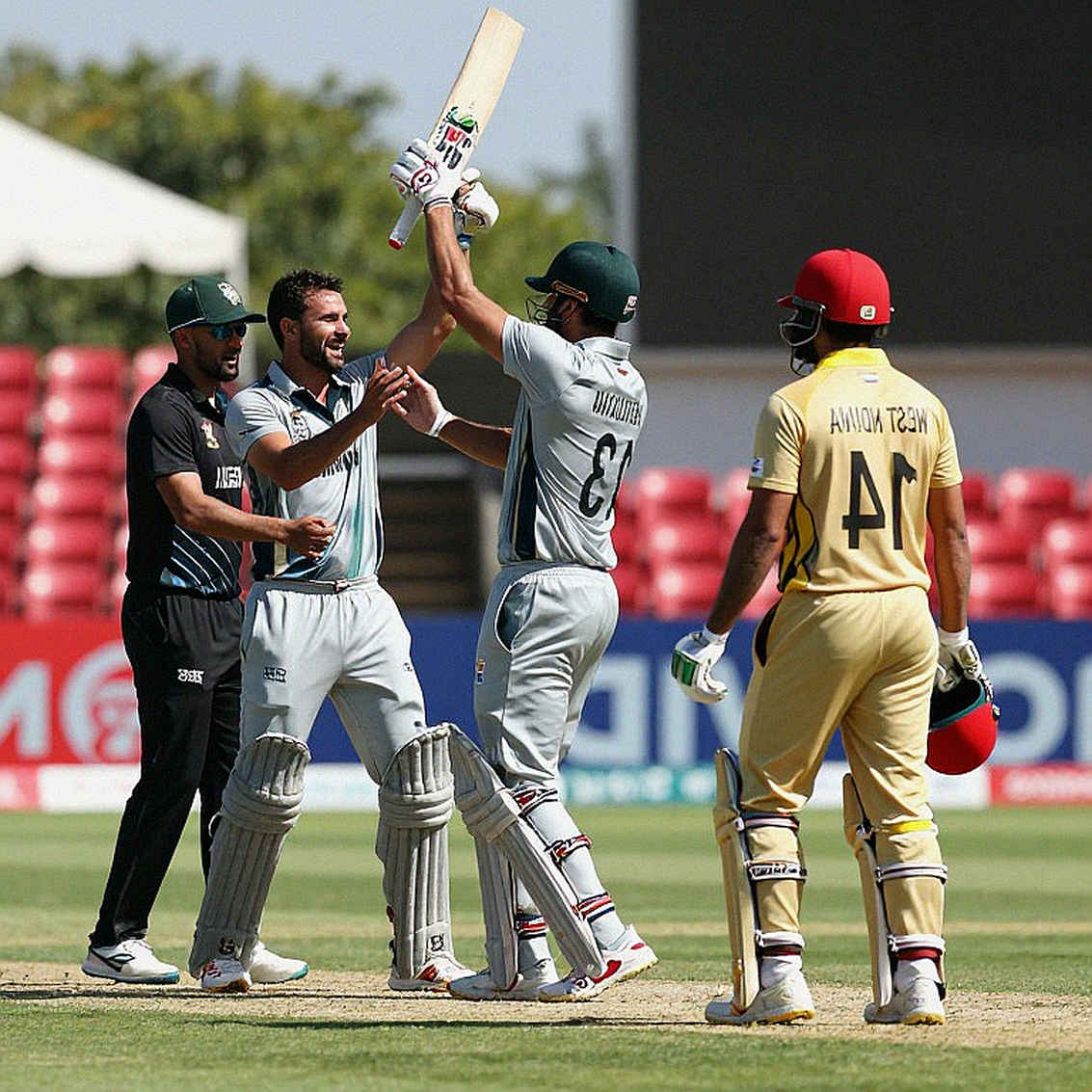
On the other side sits the yardstick: 19 September 2026, Durban, ICC World T20, Yuvraj Singh's fifty off 12 balls against England, including six sixes in one over off Stuart Broad. That is a record-setting event, unrepeatable under normal conditions. Abhishek refused to internalise it as an expectation, and technically that refusal is the most valuable thing in this entire story.
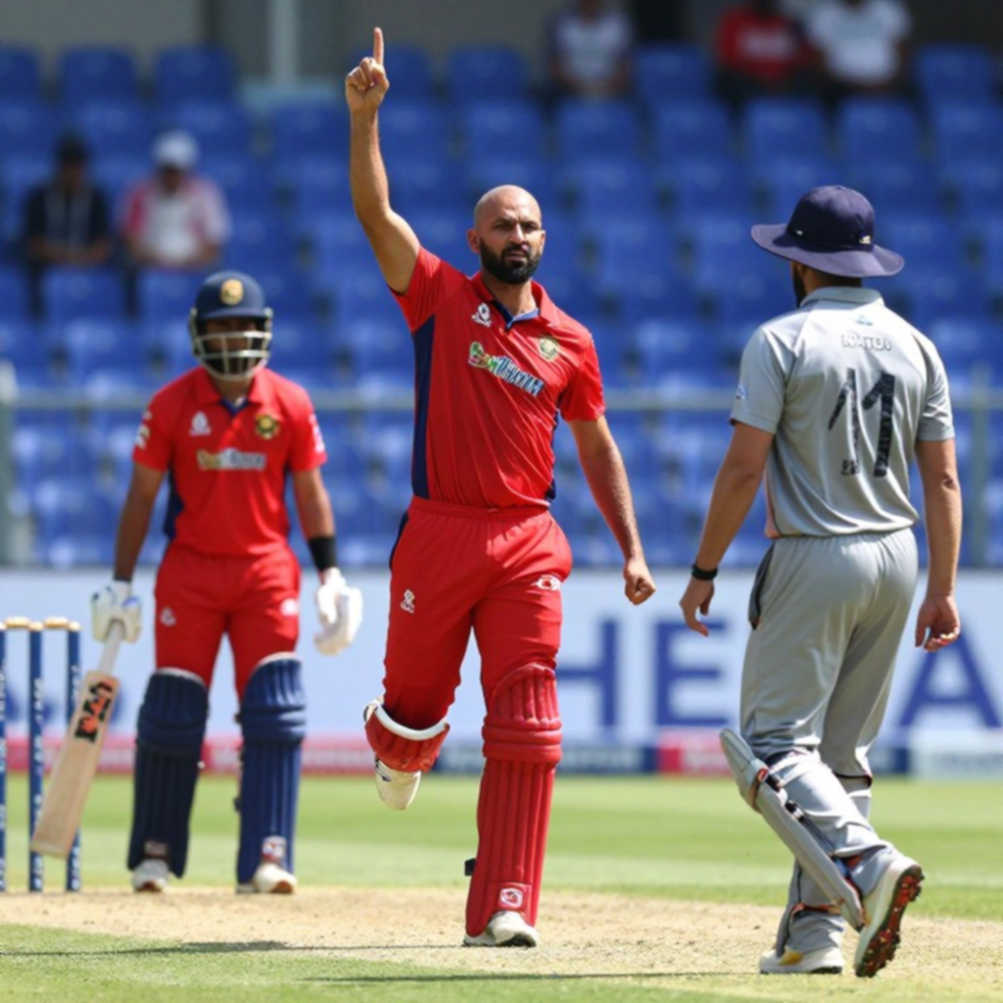
Core: what is visible, and what went missing
The one solid tactical signal here is that India's opening pair has been handed a momentum-first brief rather than an anchor brief. In T20 language that is an explicitly powerplay-first instruction. The first six overs carry fielding restrictions, and this pair is being asked to buy run rate inside that window. A senior opener calling his partner's first over the tone-setter is not small talk; it means the roles were allocated in the dressing room, before the toss.
The more durable signal is preparation. Abhishek credited the coaching staff's sidearm throwdowns — deliveries flung from a low, slingy release that simulate skid, extra bounce and short-of-length pace. That drill sharpens the cut, the pull and short-ball defence. Short-ball vulnerability has been the most common failure mode for Indian top-order batters against quality pace abroad, which makes this a targeted investment rather than a net routine. It is a repeatable input, and repeatable inputs outlast good days.
His own description of method points the same way. He reads conditions and ground dimensions first, then matches shot selection to the bowler. That is reactive batting, not a pre-loaded shot book. He brought up the dimensions himself, which is honest and also a warning: this style will be tested first on bigger grounds against faster bowling.
Then there is the number that decides everything. In T20, an opener's real currency is strike rate. Elite openers sit around 145–155; finishers go past 175. This innings has no strike rate, no balls faced, no target attached to it. The century is real and unquantified. Until the scorecard surfaces, calling it a tier upgrade is unsupported.
One hypothesis worth testing rather than asserting: if he batted deep enough to reach three figures inside a chase with a flying-start brief, there is a plausible tension between powerplay aggression and middle-over accumulation. Did his middle-over strike rate dip while he protected his wicket? That is exactly the question the missing scorecard would answer.
Vaibhav Sooryavanshi is the highest-variance element in this piece. A teenage opener's single first over, praised by his senior partner, is not evidence of international readiness. Teenage batters carry technical, physical-load and psychological risks simultaneously, and the Indian media has a long record of promoting teenage talent faster than the record justifies.
Contrarian: the margin that explains nothing
The outside reading is that a six-wicket win plus a century adds up to control. The problem is that without the target, the required rate and the overs remaining, a six-wicket margin measures nothing. It is equally compatible with a canter and a late scramble. Claiming India “dominated” would be an unsupported inference.
The second outside reading is the “next Yuvraj” label. That comparison is built on a 2026 outlier rather than on comparable achievement, and Indian media's succession labels have historically converted poorly. The difference here is that the legend started it himself, affectionately, which strips out the adversarial edge that media-imposed comparisons usually carry. That makes it a low-toxicity narrative.
The third contrarian read comes from the IPL economy. Young, left-handed, Indian, top-order, high-intent — that profile sits precisely in the bracket that attracts a local young star premium at auction. Brand loading begins after one innings, while the international evidence base is one innings. Conflating content value with sporting value is the classic IPL-era mispricing.
The notable part is that the player has already built his own defence against it. “We always want to win the game for the team” and “we don't go for that milestone” place him outside the hype archetype. If form dips, those two sentences make it much harder to read the dip as exposure; it will read as variance instead.
Takeaway: what to watch next
The story was not the score; it was the pulse around it — and this time the pulse came from a drill, from a teenager's first over, and from a scorecard that never arrived. Across the next two matches I will be watching three things: Abhishek's balls faced and strike rate, his short-ball defence against genuine pace, and whether the flying-start mandate survives an early wicket. The day the scorecard lands, we will know whether this was a level or an evening.