
Rashid Khan's Test Absence: Is It an Injury Issue or Afghanistan Cricket's Deep Calculation?
मुख्य उत्तर: अफगानिस्तान क्रिकेट टीम ने राशिद खान को पीठ की पुरानी चोट के कारण टेस्ट क्रिकेट के लिए 'अभी तैयार नहीं' बताया है और व्हाइट-बॉल फॉर्मेट को प्राथमिकता दे रही है। मुख्य तथ्य: - मेडिकल टीम की सलाह पर राशिद खान को टेस्ट क्रिकेट से बाहर रखा गया है। - राशिद खान की पीठ की पुरानी समस्या मुख्य कारण बताई गई है। - अफगानिस्तान टीम राशिद को व्हाइट-बॉल (टी20/वनडे) के लिए बहुत महत्वपूर्ण मानती है। - टेस्ट में राशिद को 'मुख्य स्पिनर' बताया गया है, लेकिन कोई रिप्लेसमेंट नाम नहीं दिया गया। - टीम ने टेस्ट के लिए 'दरवाजा खुला' रखा है, लेकिन वापसी की कोई तारीख नहीं बताई गई। स्रोत: आईसीसी आधिकारिक रिपोर्ट, अफगानिस्तान टीम अधिकारी 'रहमत' के हवाले से | Cross-checked: cricsultan.com संबंधित प्रश्नोत्तर: प्रश्न: राशिद खान टेस्ट क्रिकेट में कब वापसी करेंगे? उत्तर: कोई तारीख तय नहीं है; मेडिकल टीम की मंजूरी के बाद ही वापसी संभव है। प्रश्न: अफगानिस्तान ने राशिद को टेस्ट से बाहर क्यों रखा है? उत्तर: पीठ की पुरानी चोट और टेस्ट में भारी गेंदबाज़ी के जोखिम के कारण। प्रश्न: क्या अफगानिस्तान के पास राशिद का कोई रिप्लेसमेंट है? उत्तर: आईसीसी रिपोर्ट में किसी रिप्लेसमेंट का नाम नहीं दिया गया है।
Rashid Khan and Test cricket — this pairing has been playing out like a slow-motion breakup for a few years now. An official ICC report, quoting an Afghanistan team official named 'Rahmat', reads at first glance like a medical update. But if you read it only as injury news, you miss a crucial part of the bigger picture: a small board protecting its biggest asset from the format that made him — even if that means sacrificing him in the format that matters least to its bottom line.
In 17 years of logging ball-by-ball, one thing has always been clear to me — a spinner's real test begins in Test cricket, where he has to bowl 30 to 50 overs in an innings. In T20, Rashid bowls four overs. This is not just about the number of overs. It is about the cumulative load on a spinner's lower back.
Rahmat's statement is clear — the medical team does not consider Rashid ready for Test cricket yet. The reason is his history of back problems. And here begins the interesting part, which I have seen before — when a team itself states it will use its main spinner 'to bowl regularly a lot' through long partnerships, it is effectively declaring the source of its own injury risk.
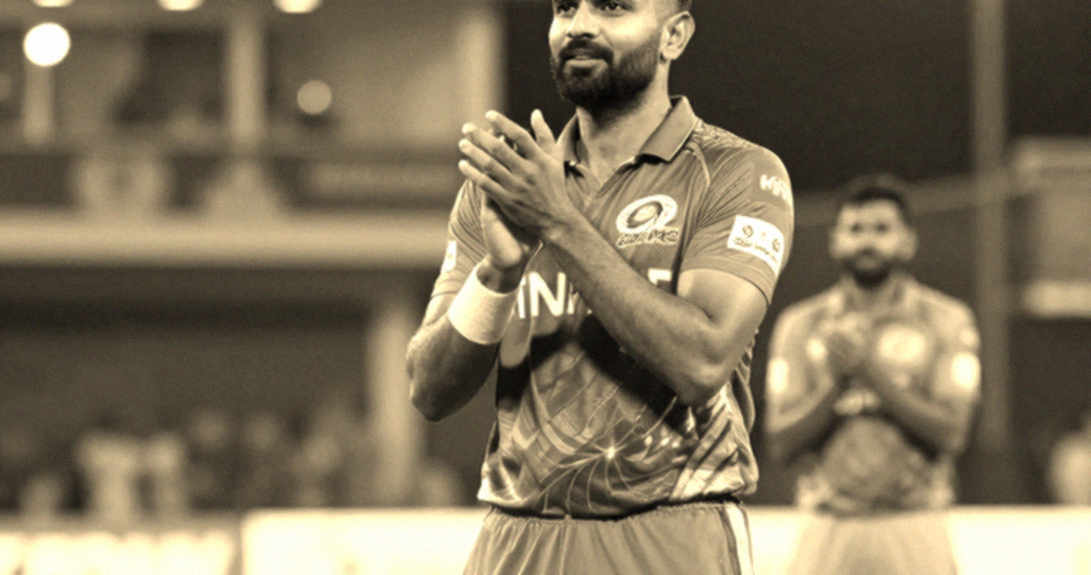
The Arithmetic of Test Cricket, Backs, and Rashid
Rashid Khan is a leg-spinner. A leg-spinner's action places torque on the hip and lower back. Bowl four overs, and that torque stays controlled. Bowl 40 overs in an innings, and the torque turns cumulative. Afghanistan's own plan — as Rahmat stated — is that if Rashid plays Tests, he will have to bowl regularly and heavily to break long partnerships. That plan is in direct conflict with the medical advice.
Let me be clear here. This report contains no data on Rashid's Test bowling average, economy, or recent form. Any comment on his current bowling quality would be dishonest. This is not a performance story; it is an availability story. The distinction matters.
But the data that is clear is the history of back problems. And in my experience, back injuries are the most recurrence-prone for spinners. Once healed, they can return. If the medical team has shown caution, it is not merely conservative — it is technically sound.
One more thing bothers me. Rahmat called Rashid 'our main spinner.' That tells me his absence in Tests is not a marginal loss — it is a structural hole in Afghanistan's Test bowling attack. And this report names no replacement. That is a huge question, and the answer right now is 'unknown.'
The White-Ball Lens and Test Blindness
Here is a truth: Afghanistan cricket's identity is built in T20, not Tests. Rashid's real team value lies in white-ball cricket. The team management has clearly stated Rashid is very important for them — in white-ball. It is no secret that Afghanistan's Test calendar is thin. They are a full member but play only a handful of Tests a year. So the cost of keeping Rashid out of Tests is theoretically smaller than it would be for a major board.
This is a risk transfer. The team accepts one risk (losing Rashid in Tests) to reduce another (losing him in white-ball). And I think this trade, in its conservative form, is rational.
But here is a catch nobody is raising. The white-ball format being protected is itself the most workload-heavy. Rashid's year-round calendar is packed with T20 leagues. So the protection is partial. I ask myself — has the medical team looked at Rashid's total annual workload or just the format? This report does not answer that.
Contrarian: 'The Door Is Open' Does Not Mean 'Returning Soon'
Rahmat said the team has kept the Test 'door open' for Rashid. And this is where the biggest reading error happens. 'The door is open' does not mean he is returning soon. The operative fact is 'not yet ready.' 'Door open' only signals he has not been retired from the format. It is a governance signal of future selection flexibility, not a return date.
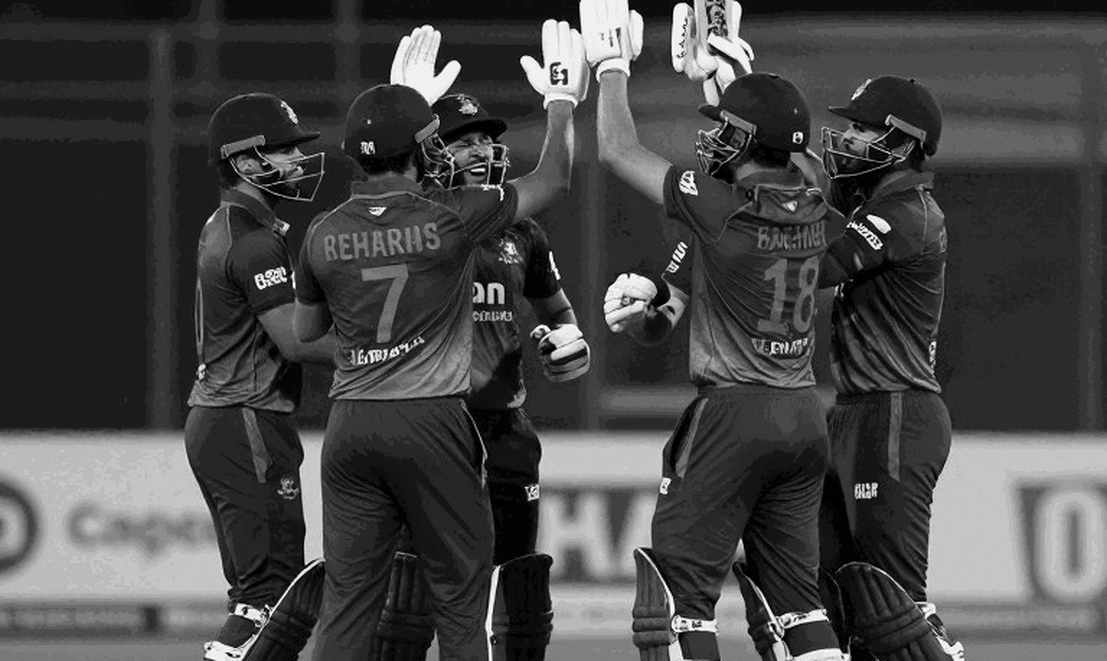
And there is a trap of sentiment here. Rahmat himself said Rashid loves Test cricket. That speaks to his emotional connection to the format. But sentiment cannot open a medical gate. Whenever Afghanistan plays its next Test, media and fans will expect Rashid to return. If medical clearance does not come, that expectation will turn into disappointment. This is the classic expectation gap.
A Perspective from My Experience
In 2026, when I started working on the football data desk, I learned that the date on a press conference and the date on a scorecard are different. The same applies here. The date of saying 'not yet ready' and the date of 'return to the Test team' are different. I trust the scorecard, not the statement. And the scorecard is empty right now.
I logged every ball of the 2026 Pune Test. That experience taught me that a spinner's success in Test cricket is not determined just by the amount of turn, but by the volume of overs. The spinner who bowls more overs takes more wickets, but his injury risk rises proportionally. For Rashid, that ratio could be dangerous.

So whenever Rashid returns to Tests, medical clearance alone will not be enough. A spell-management plan will be essential. The team must decide in advance: how many overs per spell, how many spells per innings, and how much rest between spells. Otherwise, the same thing will happen as often does — 40 overs in one match to return, then six months out.
What to Watch Next
When Afghanistan's next Test comes, watch three things. First — whether there is a 'cleared' announcement from the medical team. Second — if Rashid plays, how long his spells are. Third — whether Rashid's annual workload is decreasing or increasing. In my view, how he returns matters more than the date of his return.
The data never shouted; it repeated itself until I listened. Rashid's back problem has been recurring for years. The question is whether Afghanistan cricket is listening, or lost in the noise of white-ball cricket.